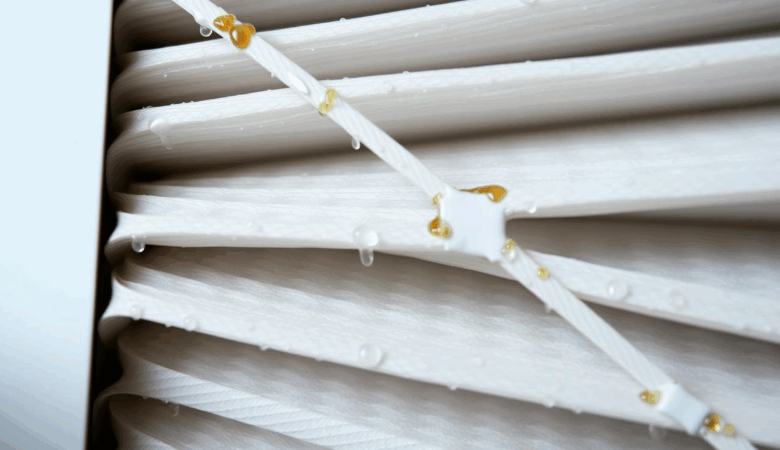
You head downstairs to adjust the thermostat and notice something odd. A damp, musty smell fills the air. You find a soggy, discolored filter that looks like a wet sponge. Your heart sinks. How long has it been like this? Could this explain why your energy bills spiked last month?
HVAC filter wet
Experts like Airtolentino’s professional HVAC services see this every day. Homeowners are puzzled by moisture where it shouldn’t be. Ignoring this can strain your system, reduce efficiency, and even lead to mold growth. But what causes it? Often, it’s high indoor humidity, AC components working too hard, or drainage lines needing attention.
Let’s make it simple. Whether it’s a clogged condensate drain or frozen coils, there are solutions. We’ll show you quick fixes and when to call a pro. This way, you can breathe easier (literally).



Key Takeaways
- Excess humidity or poor drainage often causes moisture buildup in filters
- Clogged condensate lines are a frequent culprit behind leaks
- Frozen evaporator coils can lead to unexpected water accumulation
- Restricted airflow from dirty filters worsens condensation issues
- Professional HVAC inspections prevent long-term system damage
- Regular maintenance reduces risks of mold and energy waste
Understanding the Importance of HVAC Filters
Your HVAC filter might seem simple, but it’s crucial for your home’s comfort. It fights dust, pollen, and moisture. Let’s explore why it’s so important.
HVAC filter maintenance
What Do HVAC Filters Do?
HVAC filters keep your air clean by catching dust and allergens. A dirty HVAC filter can hold moisture, leading to mold. This is bad, even more so in humid homes.
How Often Should You Change Your Filter?
Experts say to check filters monthly and replace them every 90 days. But, there’s a catch:
- Homes with pets: Every 60 days
- Allergy sufferers: Every 30-45 days
- If you spot a replace HVAC filter wet situation: Immediately
For most, changing filters every quarter is fine. But, adjust based on your home’s needs.
Signs That Your Filter Needs Replacing
Look out for these signs:
- Your vents feel weaker than a gentle breeze
- Dust bunnies party on your filter’s surface
- Energy bills creep up without explanation
A damp filter is a big warning. As one HVAC pro says: “Moisture turns filters from defenders into liabilities.”
See also: Basic Home Improvement 101: Tips for a Cozy Home
Common Causes of a Wet HVAC Filter
Discovering moisture in your HVAC filter can feel like solving a mystery. Let’s break down the three most likely culprits behind this issue. From sticky summer air to hidden mechanical hiccups, understanding these causes helps you act fast. This protects your system and home.
condensation in HVAC filter
High Humidity Levels
Humid climates like Florida or Louisiana often create the perfect storm for condensation in HVAC filters. When your AC cools warm, moisture-heavy air, water droplets form on coils and drip into the drain pan. But if humidity exceeds 60%, your system can’t keep up, causing excess moisture to linger in the filter.
Watch for:
- Foggy windows or damp walls near vents
- Musty odors when the system runs
- Filters feeling damp within days of replacement
Malfunctioning Air Conditioning Units
A struggling AC unit often leaks moisture into the filter. Low refrigerant levels or dirty coils can cause ice buildup. When this ice melts, it floods the system faster than drains can handle. One Texas homeowner found their filter soaked weekly until a technician fixed a refrigerant leak.
Pro tip: Check for frost on coils during routine maintenance to catch issues early.
Drainage Issues in Your HVAC System
Your HVAC’s drain line acts like a storm sewer for condensation. If it clogs with algae or debris, water backs up into the unit. A broken condensate pump can also trap moisture. One Arizona family discovered their filter was wet because a dead insect blocked their drain pipe!
Listen for gurgling sounds near indoor units – a classic sign of drainage trouble.
Impact of a Wet Filter on HVAC Performance
A wet HVAC filter might seem harmless at first glance. But it’s like a domino effect waiting to disrupt your entire system. Moisture trapped in the filter doesn’t just stay put—it triggers a cascade of problems. These problems hit your wallet, health, and home comfort.

moldy HVAC filter and water damage risks
Reduced Efficiency and Increased Energy Costs
When your filter gets soaked, your HVAC system works overtime. A water-damaged HVAC filter blocks airflow, forcing the unit to strain harder to push air through. This extra effort translates to higher energy bills—sometimes spiking by 15% or more.
You might also notice uneven cooling or frequent system cycling, both signs of wasted energy. Think of it like jogging with a stuffy nose: your body (or HVAC) expends more energy to achieve the same result. Over time, this strain can wear down components, leading to costly repairs.
Potential for Mold Growth
Moisture + dust = mold’s favorite playground. A moldy HVAC filter becomes a breeding ground for spores, which then circulate through your ducts. Mold thrives in damp environments, and once established, it spreads quickly.
This isn’t just about musty smells—exposure can trigger allergies, asthma flare-ups, or respiratory infections. Experts warn that mold colonies can form in as little as 24–48 hours on a damp filter. If you see dark spots or catch a earthy odor near vents, act fast to prevent a full-blown infestation.
How It Affects Indoor Air Quality
Your HVAC filter’s job is to trap pollutants, but when it’s wet, it does the opposite. A soaked filter can’t capture dust or allergens effectively. Instead, it redistributes mold spores, bacteria, and even mildew particles into your living spaces.
This turns your ventilation system into a delivery service for irritants. For households with kids, pets, or allergy sufferers, poor air quality means more sneezing, itchy eyes, or chronic congestion. Replacing a water-damaged HVAC filter quickly helps restore your home’s air to a cleaner, safer state.
Diagnosing the Source of Moisture
Finding the root cause of a wet air filter needs careful steps. First, check simple problems before looking at complex system issues. This saves time and helps fix the problem quickly.
diagnosing HVAC moisture issues
Inspecting Humidity Levels in Your Home
High indoor humidity can cause condensation in HVAC filters. Use a hygrometer (available at hardware stores) to check moisture levels:
- Ideal humidity: 30-50%
- Above 60%? Consider a dehumidifier
- Check rooms with water sources first (bathrooms, kitchens)
Checking for Leaks or Blockages
Here’s a 3-step inspection process:
- Examine the drain pan under your indoor AC unit
- Look for standing water or algae growth
- Test the condensate drain line with distilled vinegar
| Component | What to Check | Red Flags |
| Drain Pan | Cracks, positioning | Water pooling |
| Drain Line | Slope, blockages | Slow drainage |
| Evaporator Coil | Frost buildup | Ice formation |
Evaluating Your HVAC System’s Performance
Do these quick tests to check your system:
- Measure air temperature differential (supply vs. return)
- Check airflow strength at vents
- Listen for unusual cycling patterns
If your AC runs constantly but doesn’t cool right, it might be too big. This is a common reason for condensation in HVAC filters.
How to Fix a Wet HVAC Filter
Acting fast when your HVAC filter gets wet is key. Moisture can cause mold, poor air, and higher bills. Here’s how to keep your filter dry and your HVAC working well.
fix wet HVAC filter
Immediate Steps to Take
Turn off your HVAC system first. Running it with a wet filter can damage it. Follow these steps:
- Replace the damp filter with a fresh, dry one (look for MERV 8–11 ratings for better airflow).
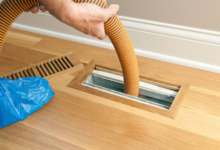
- Check the drain pan and condensate line for clogs—use a wet/dry vacuum to clear blockages.
- Wipe down visible moisture around vents or ducts with a microfiber cloth.
If humidity levels stay high, run a portable dehumidifier near your HVAC unit temporarily. This buys time while you address root causes.
Long-Term Solutions for Humidity Control
Persistent moisture in HVAC filters often points to bigger issues. Try these fixes:
- Install a whole-house dehumidifier to maintain 30–50% indoor humidity year-round.
- Schedule biannual HVAC maintenance to catch leaks or failing components early.
- Seal ductwork gaps with mastic sealant to prevent warm, humid air from entering the system.
For recurring problems, contact Air Tolentino at (555) 123-4567. Their technicians can test refrigerant levels, resize improperly scaled systems, or install secondary drain pans—solutions that DIY efforts often miss.
“A dry filter is your HVAC’s first defense against moisture damage. Pair regular replacements with proactive humidity control for best results.”
Preventive Measures for a Dry HVAC Filter
Stopping moisture before it hits your filter is key. Tackling humidity and system wear helps keep your HVAC dry. This keeps your air clean. Let’s look at two main ways to dodge a wet HVAC filter before it’s a problem.
Using Dehumidifiers
In humid places like Florida, moisture is a big foe for HVACs. A dehumidifier takes water from the air, easing your AC’s work and stopping filter condensation. For the best results:
- Choose a unit sized for your home’s square footage
- Place it near your HVAC intake or damp areas like basements
- Empty the reservoir regularly or use a model with auto-drain features
Using a dehumidifier with ceiling fans is a strong combo against moisture. It’s great during hot summer months when dirty HVAC filters hold more humidity.
Regular Maintenance for Your System
Bi-annual checkups are like dental cleanings for your HVAC – they catch small issues before they become emergencies. Air Tolentino’s maintenance plans include:
- Coil cleaning to prevent ice buildup
- Drain line inspections for blockages
- Blower motor lubrication to reduce strain
Spring and fall tune-ups help your system handle seasonal changes well. Pro tip: Book these visits when it’s not too hot or cold. Technicians can spot moisture risks better then.
When to Call a Professional HVAC Technician
Many HVAC problems can be fixed on your own. But, some need a pro to keep your home safe and healthy. If you see constant moisture or filters keep getting clogged, it’s time to call a pro. Quick action can save you money and keep your air clean.
Signs You Need Expert Help
Some signs mean your HVAC needs a pro. Air Tolentino’s technicians say to watch for these:
- Unusual noises like banging or hissing from vents
- Inconsistent cooling between rooms
- Visible mold growth near air vents or filters
- Water pooling around the indoor unit
- Musty odors lingering after filter changes
What a Technician Can Do
Certified pros like those at Air Tolentino (located at 904-314-4564 in Orange Park, FL) offer many solutions:
- Diagnose clogged drain lines or refrigerant leaks
- Seal ductwork to prevent moisture intrusion
- Test humidity levels and calibrate system performance
- Install UV lights to inhibit mold growth
Their team uses tools like infrared cameras and airflow meters. Don’t wait for water damage to get worse – call for an inspection right away.
Common Myths About HVAC Filters and Moisture
Dealing with HVAC moisture issues can be tricky because of all the wrong information out there. Let’s set the record straight about two big myths that confuse many homeowners. These myths can even lead to a water-damaged HVAC filter.
Filtering Misunderstandings
Many think thicker filters keep moisture out better. Not true. While they catch more particles, they also cut down airflow. This can cause condensation in HVAC filters. Your system needs good airflow to avoid moisture problems. Always use the MERV rating your manufacturer suggests—using a higher one can cause issues.
Another myth is that closing vents in unused rooms saves energy. But it actually makes your system work harder. This can freeze coils or overflow drain pans, leading to a water-damaged HVAC filter.
Debunking Humidity Myths
Some believe all humidity is bad, but the truth is, 30–50% is just right for comfort and system health. Too much or too little humidity can cause problems. For example, too much moisture with poor drainage can lead to condensation in HVAC filters. On the other hand, too dry air can stress your equipment.
Others think dehumidifiers solve all moisture issues. While they help, they can’t fix problems like clogged drain lines or refrigerant leaks. Use dehumidifiers with regular HVAC checks to keep filters dry and your system running well.
Tips for Selecting the Right HVAC Filter
Dealing with a wet air filter? The right HVAC filter can prevent moisture buildup while keeping your air clean. Let’s break down your options and how to match them to your home’s needs.
Types of HVAC Filters Available
Not all filters work the same in humid climates. Here’s a quick comparison:
- Fiberglass filters: Budget-friendly but thin. They trap large dust particles but won’t stop moisture from passing through.
- Pleated filters: Denser material catches smaller allergens. Many are treated to resist mold in damp areas like Jacksonville.
- HEPA filters: Top-tier for allergy sufferers. They require a compatible HVAC system and regular checks to avoid airflow blockages.
Considerations for Your Home Environment
Your local climate and lifestyle play a big role in filter choice. Ask yourself:
- Do you live in a humid area? Opt for moisture-resistant pleated filters to reduce wet filter risks.
- Have pets or allergies? Prioritize higher MERV ratings (8-13) for better particle capture.
- Check your HVAC manual. Some systems can’t handle thick filters, which may worsen moisture issues.
For homes battling frequent wet air filter problems, replace HVAC filters every 30-45 days during peak humidity months. This keeps airflow steady and stops water from pooling in the system.
Conclusion
A wet HVAC filter can mean bigger problems like humidity issues, AC troubles, or clogged drains. Fixing these early on stops mold growth, boosts air quality, and cuts energy costs. Regular checks and quick fixes keep your system running well and your family comfortable.
Quick Recap for Lasting Results
High humidity, broken equipment, and blocked drains are common causes of a wet filter. Using dehumidifiers or clearing drains can solve small problems. For bigger issues, getting help from HVAC pros is key to finding the right fix.
Stay Ahead With Proactive Care
Book regular maintenance with Air Tolentino’s AC services in Orange Park FL to dodge unexpected problems. Their team at 6625 Argyle Forest Blvd, Jacksonville, FL, offers expert checks and repairs for Florida’s weather. Keeping your filter clean and your system in top shape ensures comfort all year.
FAQ
Why is my HVAC filter wet?
High humidity, clogged drainage lines, or AC malfunctions can lead to a wet HVAC filter. In humid climates, condensation on coils can drip onto the filter and cause moisture buildup.
How does a dirty HVAC filter lead to moisture problems?
A clogged filter restricts airflow, which can cause the coils to freeze. When the ice melts, water can drip onto the filter. This may lead to mold growth or water damage if not replaced promptly.
Can a wet air filter affect my health?
Yes, a damp or moldy HVAC filter can circulate mold spores through your home, aggravating allergies and respiratory issues. If you notice a musty smell or visible mold, stop using the system and replace the filter immediately.
What should I do if my HVAC filter gets soaked?
Turn off your HVAC system right away. Replace the wet filter, inspect for leaks, and consider using a dehumidifier to manage indoor moisture levels. If the issue keeps recurring, professional inspection is recommended.
Are thicker filters better at preventing moisture retention?
Not necessarily. High-MERV filters may restrict airflow too much if the system isn’t designed for them, which can cause more condensation. Moisture-resistant pleated filters are often a better choice in humid environments.