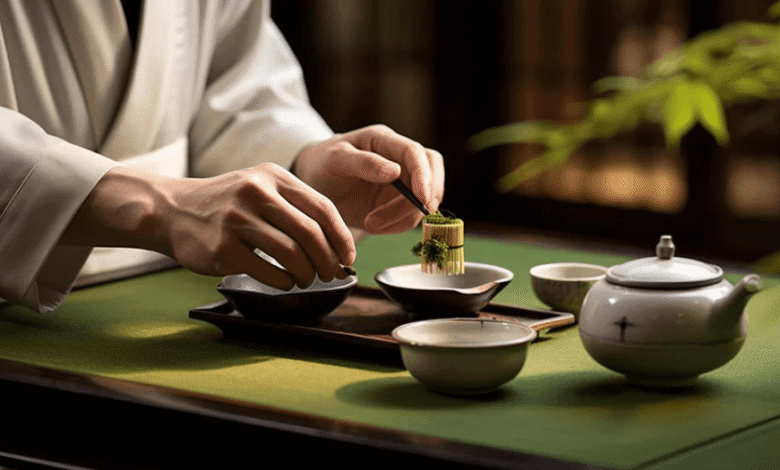
The art of tea making in Japan is a celebrated tradition deeply woven into the fabric of Japanese culture. Among the esteemed tea brands, IKKYU Tea artisan Japanese tea stands out for preserving these age-old customs, delivering authentic experiences with each brew.
The Origins of Japanese Tea
Tracing back the origins of Japanese tea, one would find that tea was introduced to Japan from China in the early 9th century. The monks who brought it revered it for its meditative properties, and soon it found a home within the cultural tapestry of Japan.
Tea cultivation in Japan truly blossomed during the Kamakura period (1185–1333), thanks to Buddhist monks who cultivated plants imported from China. During this period, the Japanese tea ceremony began to take shape, making tea drinking a ritualistic and spiritual experience.




IKKYU Tea: A Commitment to Tradition
IKKYU Tea is committed to sustaining and promoting traditional Japanese tea-making practices. The brand sources its teas from Kyushu, the southernmost island of Japan, known for its fertile lands that produce some of the finest tea leaves.
By working closely with local farmers, IKKYU Tea ensures that the beauty and authenticity of their luxury Gyokuro Tea leaves are preserved. This close relationship affirms their commitment to quality and tradition.
The Artisan Craftsmanship in IKKYU Tea
What sets IKKYU Tea apart is its exceptional craftsmanship. The art of making tea at IKKYU involves meticulous methods handed down through generations. Each leaf is carefully selected and handled to retain its natural aroma and taste.
Gyokuro and Sencha are among the epitomes of IKKYU’s range, demonstrating the luxurious quality and expertise in their production.
The Process of Making Gyokuro Tea
The production of Gyokuro tea is a fascinating process. The leaves are shaded for approximately 20 days before harvest. This reduces photosynthesis, which increases the chlorophyll and decreases the tannins, imparting a milder flavour and a deeper green hue.
IKKYU’s premium Sencha Tea follows a different path, where leaves grow under full sunlight, influencing a brighter taste and a more vivid colour.
The Cultural Influence of Japanese Tea
Beyond its aromatic and flavourful attributes, Japanese tea carries significant cultural weight. Centuries-old tea ceremonies embody the principles of tranquillity and respect, where each movement and gesture has a profound meaning.
IKKYU Tea celebrates these spiritual elements, acknowledging their legacy by crafting teas that invite drinkers into a world full of rich traditions.
Modern-day Appreciation of Traditional Teas
In today’s world, where the convenience of mass production often overshadows artistry, IKKYU Tea offers a refreshing retreat into quality and authenticity. Consumers increasingly seek genuine products that carry a history, and IKKYU Tea provides exactly that.
Through their extensive range, they cater to both traditionalists and modern enthusiasts, allowing them to experience authentic Japanese tea at its finest.
See also: Supporting Well-Being and Quality in Every Aspect of Life
Renowned Tea Types from IKKYU
Among the storied varieties IKKYU offers, Sencha and Gyokuro are especially celebrated. Sencha is the most popular type of green tea in Japan, renowned for its refreshing and bold flavours.
Meanwhile, Gyokuro is considered a luxury tea due to its unique shading process and the delicate sweetness it provides. Both are testament to IKKYU’s dedication to preserving traditional tea-making processes.
Why Choose IKKYU Tea?
Choosing IKKYU Tea means indulging in more than just a beverage; it is an invitation to explore the rich cultural heritage imbued within each cup. With a commitment to sustainability and the utmost quality, drinking IKKYU tea ensures an authentic Japanese tea experience.
For those who value tradition, quality, and an extraordinary cup of tea, IKKYU Tea offers a path to discover the origins and enjoy the illustrious journey of Japanese tea culture.