Commercial design environments must balance luxury aesthetics, functional illumination, and memorable visual storytelling. When high-end interior showrooms display premium kitchen cabinetry, architectural millwork, and tailored furniture, the surrounding lighting must reflect the same level of craftsmanship. Incorporating bespoke commercial artisan lighting transforms design spaces into immersive galleries where clients can experience rich textures, refined materials, and innovative spatial layouts.
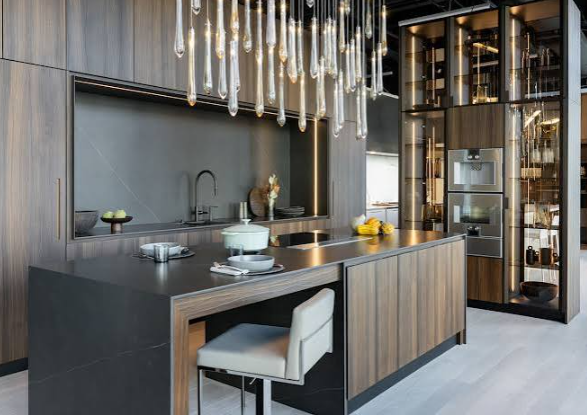
The integration of handcrafted glass fixtures within the DOCA Boston showroom exemplifies how customized lighting elevates luxury retail environments. By pairing bespoke glass artistry with sleek European kitchen design, the showroom creates a dynamic dialogue between architectural structure and organic warmth. This case study examines how tailored commercial artisan lighting enhances high-end showroom environments and drives client engagement.
The Role of Commercial Artisan Lighting in High-End Showrooms
Modern commercial showrooms serve as interactive design studios rather than static display halls. Clients, interior architects, and homeowners visit these spaces to touch materials, test finishes, and envision custom concepts within their own projects.




Lighting plays a crucial role in shaping these sensory experiences. Standard commercial troffers or clinical overhead spotlights often flatten material depth and wash out subtle timber grains or stone veining. In contrast, handcrafted glass fixtures introduce warm color rendering, intriguing optical refractions, and sculptural elegance that highlight fine European craftsmanship.
See also: About Datrihelminen Life
Designing the DOCA Boston Interior Experience
DOCA is internationally recognized for manufacturing minimalist European kitchens, bespoke wardrobes, and luxury living room furniture. Opening a flagship showroom in Boston required a design approach that respected the brand’s sleek geometric lines while introducing tactile warmth.
To achieve this balance, the design team selected handcrafted lighting fixtures to anchor major display zones throughout the showroom floor. The organic curves and rich blown glass textures soften the crisp linear profiles of custom cabinetry, creating a balanced and inviting atmosphere for visiting design clients.
Strategic Lighting Placement Across Showroom Zones
Lighting in a multi-zone showroom must fulfill dual purposes: providing clean task illumination for material inspection while serving as a dramatic sculptural centerpiece.
| Showroom Area | Lighting Objective | Design Solution |
| Main Reception & Entry | Establish immediate brand luxury and visual impact | Multi-pendant glass chandelier cluster with custom drop heights |
| Kitchen Island Displays | Highlight countertop stone veining and cabinetry detail | Linear multi-light glass pendant arrangements over island surfaces |
| Living Area Vignettes | Create intimate, residential atmosphere for client meetings | Low-slung sculptural glass floor lamps and subtle wall sconces |
| Material Sample Lounge | Deliver accurate color rendering for finish selection | Dimmable warm LED sources enclosed in hand-blown clear glass |
Architectural Benefits of Bespoke Glass Installations
Integrating tailored commercial artisan lighting offers significant design advantages over mass-produced commercial fixtures.
- Enhanced Material Fidelity: Hand-blown glass diffuses light evenly across surrounding surfaces, revealing the true texture of wood veneers, polished marble, and matte lacquers.
- Spatial Zoning Without Walls: Suspended lighting clusters visually define individual kitchen and living room vignettes within an open plan showroom.
- Memorable Visual Anchors: Sculptural glass chandeliers act as focal points that draw visitors naturally through the showroom layout.
- Custom Color and Finish Integration: Hardware finishes and glass color tints can be matched precisely to display cabinetry hardware and architectural trims.
Collaborative Process Between Designers and Lighting Artisans
Executing a successful commercial lighting plan requires close collaboration between interior designers, showroom curators, and master glassblowers.
Step 1: Spatial and Material Analysis
The design process begins by analyzing showroom floor plans, ceiling heights, and cabinetry finishes. Designers evaluate natural light sources to determine where artificial illumination is needed most to accentuate display details.
Step 2: Custom Concept and Prototyping
Lighting artisans develop custom concept sketches and glass swatches tailored to the showroom aesthetic. Prototyping allows the design team to test light diffusion, glass clarity, and hardware scaling against actual kitchen displays.
Step 3: Installation and Precision Aiming
During final installation, suspension cables are adjusted to optimal heights to maintain clear sightlines across the showroom floor. Dimming controls are integrated to allow showroom staff to alter lighting levels for daytime client walk-throughs or evening design events.
Key Design Principles for Commercial Spaces
Commercial design projects require a careful balance of aesthetic ambition and practical durability. Showrooms, hospitality venues, and corporate offices benefit from adhering to foundational lighting principles.
1. Prioritize High Color Rendering
Always select LED light sources with a high Color Rendering Index (CRI) of 90 or above. Accurate color rendering ensures that timber tones, paint swatches, and stone veining appear rich and true to life.
2. Balance Direct Task Light with Ambient Glow
Avoid relying solely on ambient ceiling glow or harsh spotlights. Layering direct task lighting over work surfaces with diffused ambient light from glass fixtures creates depth and eliminates uncomfortable glare.
3. Maintain Proportional Harmony
Ensure fixture scales match the architectural volume of the space. Large ceiling heights and wide open floor plans demand multi-tier clusters or oversized pendants that can command the room without feeling cluttered.
Summary of Artisan Lighting Lessons from DOCA Boston
The DOCA Boston showroom demonstrates the transformative power of bespoke lighting in commercial environments. By combining precision European cabinetry with handcrafted glass artistry, the space achieves a harmonious balance between structural minimalism and organic luxury. Interior designers and commercial space planners can apply these principles to create compelling, high-authority commercial interiors that captivate clients and elevate brand prestige.