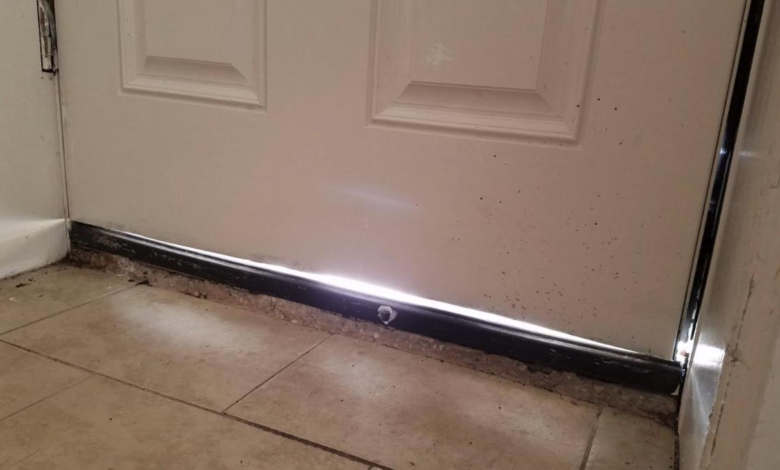
You close your front door and notice a thin line of daylight along one edge. The door still locks, nothing looks broken, and you may assume the weatherstripping has simply worn down. It seems like a small issue you can deal with later.
But a new or uneven gap can tell you more than whether the door needs a better seal.
Loose hinges, a shifting threshold, moisture-related deterioration, or changes in the frame can all affect how an exterior door sits in its opening. Sometimes the repair is minor. Other times, the gap is simply the first visible clue that another part of the door system needs attention.


For homeowners considering door repair in Marysville, the important question is not just how to close the visible gap. It is why the door stopped fitting evenly in the first place.
What Does a Normal Door Gap Look Like?
Exterior doors need a small amount of clearance so they can open and close without rubbing against the frame. A consistent space around the door may simply reflect its installation.
An irregular or changing gap deserves a closer look.
Stand inside with the door closed and compare the spacing along the top, sides, and bottom. Does the gap widen toward one corner? Does one edge nearly touch the jamb while another leaves visible daylight?
Those patterns can help show where the door has moved.
The gap becomes more meaningful when you also notice sticking, rubbing, difficult locking, drafts, or changes around the frame.
See also: Anti-Static Raised Flooring Solutions for High-Tech and Commercial Environments
Could Loose Hinges Be Pulling the Door Out of Alignment?
Hinges support the weight of the door every time you open and close it. When screws loosen or the material holding them becomes damaged, the door may begin to sag.
Even slight movement can change the clearance around the frame.
A sagging door may develop a wider gap near the upper latch-side corner while another edge starts rubbing against the jamb or threshold.
Slowly open and close the door while watching the hinges. Look for movement where the hinge attaches to the jamb, loose screws, or a door that appears to drop slightly as it swings.
If the door is moving at the hinges, new weatherstripping may cover part of the gap without correcting the alignment.
Can the Door Frame Move Even When the Door Looks Fine?
Yes. The door slab is only one part of the opening.
The jamb can shift or lose its original alignment. Changes in the surrounding framing can also affect how the door fits. As a result, a door that once opened smoothly may begin sticking or develop uneven spaces around its edges.
Possible signs include:
- A gap that becomes wider from top to bottom
- Rubbing at one corner
- A latch that no longer lines up easily
- A deadbolt that requires pressure on the door before turning
- Weatherstripping that seals tightly in one area but barely touches in another
- A door that tends to swing open or closed when left partially open
No single symptom automatically identifies the cause. Several changes appearing together, however, make it worth looking beyond the visible gap.
Could Moisture Be Changing the Fit of Your Front Door?
Exterior doors regularly face changing outdoor conditions. Moisture can affect wood doors, jambs, trim, thresholds, and other materials around the opening.
Repeated exposure may contribute to swelling or deterioration, particularly near the bottom of the frame where water can collect.
Check the lower corners of the doorway for peeling paint, discoloration, soft material, swelling, separated trim, or recurring dampness.
These clues matter because an alignment adjustment will not solve an ongoing moisture problem.
If water is affecting the opening, identifying where it comes from is just as important as correcting how the door fits.
Is the Threshold Contributing to the Gap?
The threshold plays an important role in how an exterior door closes and seals along the bottom.
Over time, it may loosen, wear, shift, or deteriorate. The door sweep can also become damaged or compressed.
You may first notice daylight beneath one part of the door. During windy or wet conditions, a draft or moisture near the entry may make the problem more obvious.
Look across the entire bottom edge rather than focusing only on the largest opening. If one side makes good contact while the other leaves a noticeable gap, door alignment, threshold position, or the condition of the sweep may need attention.
Simply lowering the door may not be the appropriate solution.
Why Does the Latch Suddenly Need an Extra Push?
A door that once latched smoothly but now needs an extra push or pull is giving you another useful clue.
The latch and strike plate need to align closely for the door to close normally. When that relationship changes, part of the door assembly may have moved.
Pay attention to what you have to do before locking the door.
Do you need to lift the handle? Push against the door? Pull it toward you while turning the deadbolt?
Those small adjustments can indicate the direction of the misalignment.
Moving the strike plate may improve the latch temporarily, but repeated adjustments without identifying the cause can leave the original problem unresolved.
When Is Weatherstripping Actually the Problem?
Not every visible gap points to a larger door or frame issue.
Weatherstripping can flatten, crack, tear, detach, or lose its ability to maintain contact with the closed door. If the door remains aligned, opens smoothly, and latches without extra pressure, a deteriorated seal may explain the draft or thin line of daylight.
Look at the condition of the weatherstripping around the full perimeter.
A worn section may need replacement. However, if new weatherstripping quickly becomes compressed in one area while barely touching another, the fit of the door may also need attention.
The condition of the door helps distinguish a worn seal from an alignment problem.
What Other Changes Should You Check Around the Door?
Do not evaluate the front door only from the spot where you see the gap.
Look at the entire opening.
Check interior and exterior trim for new separation. Examine the lower jamb and threshold for moisture-related damage. Look for visible cracking near the corners of the opening, and test the latch and deadbolt without pushing, pulling, or lifting the door.
Also notice whether the problem has changed over time.
A small caulk separation or worn seal may reflect ordinary material movement or aging. A growing gap combined with sticking, difficult locking, or visible deterioration deserves more attention.
The goal is not to assume that every uneven door indicates a serious problem. It is to understand whether several symptoms may share the same cause.
When Does a Small Gap Call for Door Repair in Marysville?
A stable gap around a door that otherwise operates normally may need nothing more than weatherstripping or a minor hardware adjustment.
A changing gap is different.
Consider having the door evaluated when:
- The gap continues getting wider
- The door begins rubbing or sticking
- Hinge screws repeatedly loosen
- The latch or deadbolt stops lining up properly
- The threshold appears loose or uneven
- Moisture damage appears around the jamb
- The door requires lifting, pushing, or pulling to close securely
Professional door repair in Marysville can help determine whether the issue involves hinges, hardware, the jamb, threshold, weather seal, door slab, or another part of the opening.
Finding the source matters because each problem requires a different approach.
Can Ignoring the Gap Lead to Other Problems?
That depends on what caused it.
A poorly fitting exterior door may allow unwanted drafts and place additional wear on weatherstripping, hinges, latches, and other components. Repeatedly forcing a misaligned door closed can also make everyday operation more difficult.
Moisture deserves particular attention.
If water reaches vulnerable areas around the lower jamb or threshold, deterioration may continue even if the door still opens and closes.
This is why a changing gap can matter more than its size. A narrow opening that has steadily grown may tell you more than a larger gap that has remained unchanged for years.
What Should You Do Before Adjusting the Door?
Start by observing how the entire door operates.
Open and close it several times. Notice where it first contacts the frame. Compare the spacing along each edge. Test the latch and deadbolt separately, and check whether the hinges remain firmly attached.
Then inspect the threshold, weatherstripping, jamb, and surrounding trim for visible damage or moisture.
Avoid immediately trimming or planing the door simply because one edge rubs. Removing material may stop the contact, but it will not correct a loose hinge or changing frame alignment.
A few minutes of careful observation can provide useful clues about where the problem begins.
Get Your Front Door Properly Evaluated
A small gap around your front door may come from worn weatherstripping or a simple hardware issue. But when that gap keeps changing, the door begins sticking, or the lock no longer lines up properly, the cause may require a closer look.
Professional door repair in Marysville can help identify whether the problem involves loose hinges, a damaged jamb, an uneven threshold, moisture-related deterioration, or another alignment issue. Addressing the actual cause can restore smoother operation without relying on repeated adjustments that only mask the problem.
If your front door no longer closes, latches, or seals the way it used to, consider scheduling a professional evaluation before the issue becomes more difficult to correct.