Some architectural features survive every trend cycle because they fundamentally improve the experience of living inside a home. Bay and bow windows fall into that category. Long after aggressively modern interiors, grey vinyl flooring, and open-concept everything began exhausting people collectively, these window styles continued appearing in both traditional and contemporary homes for a reason that has very little to do with nostalgia.
They change how a room feels physically.
Natural light expands differently around curved or angled window structures. Rooms feel larger. Seating areas become more usable. Exterior views open up. Small spaces gain dimension. Even older homes often feel less boxed in once additional projection and light exposure are introduced into the wall structure itself.


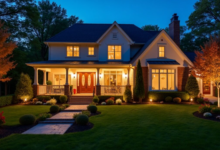
And unlike many renovation trends, bay and bow windows are not purely aesthetic upgrades pretending to be practical. They alter ventilation, sightlines, daylight penetration, perceived square footage, and architectural balance simultaneously.
That combination explains why homeowners continue gravitating toward them decades after they first became mainstream residential design features.
Most Homeowners Know What Bay and Bow Windows Look Like. Fewer Understand the Difference.
Bay and bow windows are frequently grouped together because both extend outward from the exterior wall of a home, creating additional interior space and broader outdoor visibility. Structurally, however, they are configured differently.
A bay window typically consists of three window sections positioned at angular projections. The center window is usually fixed and larger, while the side windows may open for ventilation.
Bow windows, by contrast, generally contain four or more connected window panels arranged in a more curved configuration, creating a softer and more continuous exterior appearance.
Bay Windows Tend to Create Stronger Architectural Angles
Bay windows are often associated with:
- sharper exterior definition
- increased interior shelf or seating space
- larger central viewing areas
- stronger angular projection
- more traditional architectural contrast
Because the structure projects outward prominently, bay windows can dramatically alter both curb appeal and interior room depth.
Bow Windows Create a Softer, More Continuous Look
Bow windows generally offer:
- wider panoramic exterior views
- gentler exterior curvature
- more uniform light distribution
- increased glass surface area
- smoother architectural integration
Their curved appearance often works particularly well in larger living areas or homes seeking a softer transitional design aesthetic.
“Bay and bow windows increase natural light, create visual space, and enhance architectural character both inside and outside the home.”
— Canadian Home Builders’ Association design guidance
Natural Light Changes the Psychological Atmosphere of a Room
People tend to underestimate how significantly natural light affects interior experience until they spend time in a space that lacks it entirely. Research in environmental psychology and architectural design has consistently linked daylight exposure to improved mood, visual comfort, circadian rhythm regulation, and occupant satisfaction.
Bay and bow windows increase daylight penetration because they capture light from multiple angles simultaneously. Instead of receiving sunlight from a single flat plane, the room benefits from expanded directional exposure throughout the day.
That difference becomes especially noticeable during Canadian winters, when daylight availability already feels limited enough psychologically.
According to the National Research Council Canada, daylight access contributes significantly to occupant comfort and perceived indoor environmental quality.
Why Rooms Often Feel Larger After Installing Bay or Bow Windows
The visual effect is not entirely an illusion.
By projecting outward beyond the exterior wall, these windows physically increase usable interior space while simultaneously expanding exterior sightlines. The eye perceives greater openness because the visual boundary of the room extends further outward.
That expanded perception is one reason bay and bow windows are frequently used in:
- living rooms
- breakfast areas
- reading nooks
- primary bedrooms
- front sitting rooms
- dining spaces
The windows create architectural focal points naturally without requiring excessive decorative intervention afterward.
Energy Efficiency Matters Just As Much As Appearance
Older bay and bow window systems were sometimes criticized for heat loss concerns, particularly when installed with outdated glazing systems or poor insulation performance. Modern window technology has improved substantially.
Today’s high-performance bay and bow windows may include:
- Low-E glass coatings
- double or triple glazing
- insulated frames
- advanced weather sealing
- argon gas fills
- improved thermal spacers
These systems help reduce heat transfer while maintaining the expanded visibility and daylight exposure homeowners want.
See also: How to Integrate Multi Room Smoke Alarms with Home Assistant
Canadian Climate Conditions Require Stronger Window Performance
In climates with major seasonal variation, windows must withstand:
- freeze-thaw cycling
- prolonged winter exposure
- humidity fluctuations
- condensation pressure
- thermal expansion and contraction
- heavy precipitation
That is why frame quality, installation standards, and glazing performance matter substantially beyond appearance alone.
Homeowners researching options such as a guide to bay and bow windows are increasingly evaluating energy performance alongside architectural design considerations.
Bay and Bow Windows Quietly Change How People Use Their Homes
One of the more overlooked aspects of these window styles is how often they create usable living space unintentionally.
Window seating areas become reading spaces. Breakfast corners become more functional. Living rooms feel less enclosed. Plants suddenly survive. Cats develop complex emotional attachments to sunlight patterns. Entire sections of a room become more inviting simply because natural light distribution changes.
The windows alter behavior inside the home itself.
That matters because the strongest renovations are rarely the ones that look impressive for social media photographs alone. The best upgrades tend to improve daily experience repeatedly over time in ways homeowners continue noticing years later.
Common Reasons Homeowners Choose Bay or Bow Windows
Homeowners often pursue these styles to:
- increase natural light
- expand exterior views
- improve curb appeal
- create architectural dimension
- add interior seating space
- modernize older rooms
- increase ventilation
- improve resale appeal
- make smaller rooms feel larger
The appeal usually extends beyond aesthetics alone.
Questions Homeowners Should Ask Before Installation
Before selecting bay or bow windows, homeowners should evaluate:
- wall structure compatibility
- energy efficiency ratings
- glazing options
- frame material performance
- ventilation preferences
- installation requirements
- maintenance expectations
- long-term weather durability
- warranty coverage
Because these windows project outward structurally, professional installation quality becomes particularly important for long-term performance and insulation integrity.
Some Design Features Stay Relevant Because They Actually Work
A surprising amount of residential design exists primarily to photograph well online. Bay and bow windows are different because their popularity has survived multiple architectural trend cycles without needing reinvention.
The reason is fairly simple.
More natural light feels better. Expanded sightlines feel calmer. Rooms with dimension feel less restrictive. Spaces that connect more naturally to the outdoors tend to feel more livable over time.
And honestly, most homeowners eventually stop caring whether a renovation feels trendy. They care whether the house itself feels better to exist inside every day afterward.