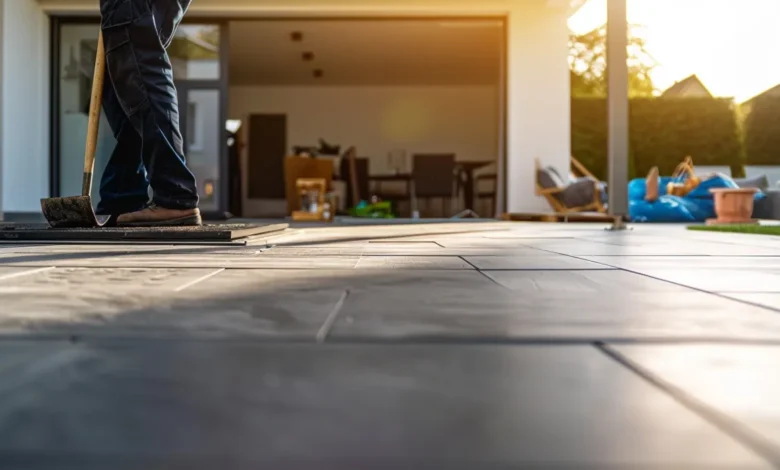
When selecting the perfect tiles for your outdoor space, durability is a critical factor to consider. Ceramic and porcelain are popular choices for Patio Tiles due to their aesthetic appeal and resilience. Understanding the characteristics and durability of each can help homeowners and designers make informed decisions. This article delves into the specifics of ceramic and porcelain Patio Tiles, assesses their durability through a comparative analysis, and guides you in choosing the ideal option for your needs.
Ceramic Patio Tiles: Characteristics and Durability
Ceramic tiles are crafted from natural clay that is kiln-fired to achieve a hard, durable surface. One standout feature is their wide range of design options, which can be customized using different glazes and finishes to complement any aesthetic. In terms of durability, ceramic tiles are known for their moderate resistance to wear and tear. They are suitable for areas that don’t experience extreme weather conditions. According to a recent guide by ArchDaily, ceramic tiles can be enhanced with a specific Finish Schedule to improve their lifespan and performance.
However, ceramic tiles may not hold up as well as their porcelain counterparts in environments with significant temperature fluctuations or heavy foot traffic. While ceramic is often less expensive, the trade-off can be a shorter lifespan if used in demanding outdoor conditions. It’s crucial for homeowners to conduct a Materiality Assessment to ensure ceramic tiles meet their specific durability needs.



Porcelain Patio Tiles: Characteristics and Durability
Porcelain tiles are a type of ceramic tile, but they are made from a more refined clay and fired at higher temperatures, making them denser and less porous. This results in superior strength and water resistance, making porcelain an excellent choice for outdoor spaces exposed to the elements. The durability of porcelain tiles is well-suited for high-traffic areas and extreme climates, where they can withstand the harsh effects without significant wear.
Beyond durability, porcelain tiles offer diverse design opportunities, similar to ceramic tiles. Utilizing CAD (Computer-Aided Design) Software, designers can create intricate patterns that complement a property’s existing architecture. Furthermore, their low porosity means they are less prone to staining and easier to maintain, contributing to their long-lasting appeal. According to This Old House, porcelain tiles are often preferred for outdoor hardscape due to their longevity and aesthetic versatility.
Comparative Analysis of Ceramic and Porcelain Patio Tiles
When comparing ceramic and porcelain Patio Tiles, a few key differences emerge. The primary distinction lies in their composition and manufacturing process, which significantly impacts their resilience and suitability for various outdoor applications. Porcelain tiles generally offer superior durability, making them more appropriate for spaces that require high resistance to wear and environmental factors.
In terms of cost, ceramic tiles usually present a more budget-friendly option. However, their lower cost can lead to higher long-term expenses if frequent replacements are needed due to damage. On the other hand, porcelain tiles, while initially more expensive, offer a longer lifespan, potentially reducing overall maintenance and replacement costs. Therefore, a thorough Site Analysis can help determine which tile type best fits the environmental conditions and functional requirements of your outdoor space.
Choosing the Right Patio Tile for Your Outdoor Space
Selecting the right patio tile involves considering several factors, including climate, foot traffic, and design preferences. For areas with harsh weather conditions, porcelain tiles are often the better choice due to their higher durability and resistance to moisture. They can be an integral part of the Schematic Design phase, ensuring the outdoor space is both functional and aesthetically pleasing.
Conversely, for milder climates or spaces where cost is a primary concern, ceramic tiles might be more suitable. They can be effectively integrated into a comprehensive Lighting Plan and coordinated with FF&E (Furniture, Fixtures, and Equipment) to enhance overall outdoor ambiance. Ultimately, the decision should align with your specific needs and the long-term vision for your outdoor area.
Conclusion

Both ceramic and porcelain Patio Tiles have their own advantages and limitations when it comes to durability. Porcelain tiles generally offer greater resilience, making them suitable for more demanding environments. In contrast, ceramic tiles provide a cost-effective solution for less challenging outdoor conditions. By carefully evaluating your specific requirements and the environmental conditions of your space, you can choose the most durable and aesthetically pleasing option for your patio. Whatever your choice, integrating it into your overall design strategy will ensure a harmonious and lasting outdoor area.