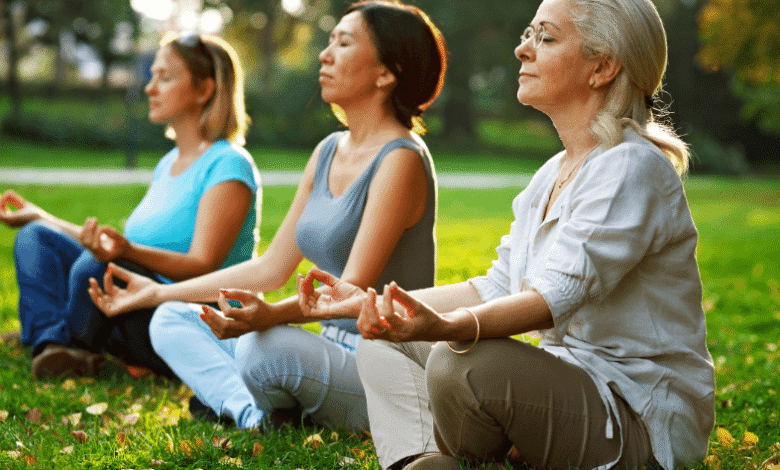
Applied mindfulness has moved well beyond a personal wellbeing practice into a genuine field of postgraduate study, drawing students from psychology, education, healthcare, and corporate backgrounds alike.
What draws students to this field of study
Many students arrive after already practising mindfulness personally, seeking a more rigorous, evidence-based understanding of how and why these techniques work rather than relying purely on intuition or personal experience.
Others come from professional backgrounds where mindfulness-based approaches are increasingly used, such as healthcare, education, or workplace wellbeing, wanting formal qualifications to support their existing practice.




What the coursework typically covers
Coursework generally blends theoretical grounding in the psychological and neuroscientific basis of mindfulness with practical, experiential components requiring students to deepen their own contemplative practice.
A genuine postgraduate course in applied mindfulness goes beyond simply teaching technique, examining the research evidence behind mindfulness-based interventions and their application across clinical and non-clinical settings.
Students typically study topics including attention and awareness, emotional regulation, the neuroscience of contemplative practice, and the ethical considerations involved in teaching mindfulness to others.
The experiential dimension of study
Unlike many postgraduate programs, applied mindfulness study genuinely requires students to engage in sustained personal practice throughout their studies, treating direct experience as part of the curriculum itself.
This experiential requirement distinguishes the field from a purely academic study of mindfulness, grounding theoretical learning in students’ own developing understanding of contemplative practice.
Retreats or intensive practice periods are often built into the program structure, giving students concentrated time to deepen practice in ways that regular weekly classes cannot replicate.
Career pathways this study supports
Graduates pursue diverse paths, including teaching mindfulness-based programs, integrating techniques into existing healthcare or counselling practice, or applying principles within corporate wellbeing and leadership contexts.
Some graduates move into research, examining the evidence base for mindfulness interventions further, while others focus on direct practice, delivering programs within community, clinical, or workplace settings.
Balancing academic rigour with contemplative practice
A well-designed program maintains genuine academic rigour, with proper research literacy and critical evaluation of evidence, alongside the more experiential and reflective elements of contemplative study.
This balance ensures graduates can speak credibly to both the research community and to those seeking practical, ethically grounded guidance in applying mindfulness within their own professional context.
What makes a strong mindfulness program
Look for programs taught by faculty with genuine, sustained personal practice alongside academic credentials, since teaching applied mindfulness authentically requires both dimensions rather than academic knowledge alone.
Small class sizes tend to support the kind of genuine reflective dialogue that applied mindfulness study benefits from, compared with large lecture-style delivery common in many other postgraduate fields.
Preparing for postgraduate study in this field
Prospective students benefit from an honest existing personal practice before enrolling, since the coursework assumes a genuine willingness to engage in sustained contemplative work rather than studying the topic purely academically.
Speaking with current students or graduates before enrolling gives a realistic sense of what daily study actually involves, beyond what a course outline alone can convey.
The growing relevance of this field
As mindfulness-based approaches gain wider acceptance across healthcare, education, and workplace settings, demand for properly qualified practitioners with genuine academic and practical grounding continues to grow steadily.
This growing relevance means graduates increasingly find opportunities beyond traditional wellness settings, including corporate leadership development and integrated healthcare programs seeking evidence-based approaches to stress and wellbeing.
Weighing whether this path suits you
This is not a course to undertake lightly or purely out of curiosity. The sustained personal and academic commitment required suits those genuinely drawn to deepening both practice and understanding together.
For the right student, however, few postgraduate paths offer such a genuine integration of personal growth, academic rigour, and meaningful career application across a growing range of professional settings.
How assessment typically works
Assessment often blends written academic work with reflective journaling and practical demonstration of teaching or facilitation skills, recognising that competence in this field spans both intellectual and experiential domains.
Some programs include a supervised teaching practicum, giving students the opportunity to lead mindfulness sessions under guidance before graduating into independent practice.
The role of supervision and mentorship
Ongoing supervision from experienced practitioners helps students navigate the ethical complexities of teaching mindfulness, including how to work appropriately with participants experiencing significant psychological distress.
This mentorship model continues to benefit graduates well beyond graduation, with many maintaining supervision relationships as they establish their own independent practice or integrate mindfulness into existing professional work.
Connecting theory to lived experience
Seminars often involve group discussion connecting academic material to practice, and applying that same reflective scrutiny elsewhere matters too — running a free blog audit periodically keeps written and public communication clear.
This connection between theory and lived experience is frequently cited by graduates as the most valuable and distinctive aspect of studying applied mindfulness at a genuinely rigorous postgraduate level.
Peer discussion in these seminars also exposes students to a wider range of interpretations and applications than they would likely encounter through solitary study or personal practice alone.
See also: Because Your Future Health Deserves a Plan
Building a professional community
Cohorts in this field often form close professional bonds, given the personal nature of the coursework, creating a support network that many graduates continue drawing on well into their careers.
These relationships frequently extend into professional collaboration after graduation, with alumni networks supporting ongoing practice development, referrals, and continued professional growth across different sectors.
Is this study path right for you
Anyone considering this path should reflect honestly on their readiness for the sustained personal work involved, since the depth of self-examination required distinguishes this field from more conventional academic study.
For those genuinely called to this integration of scholarship and practice, the reward extends well beyond a qualification, shaping both professional capability and personal understanding in ways that continue evolving long after graduation.
Speaking directly with the institution offering the program, and where possible attending an introductory session, gives prospective students the clearest sense of whether the specific culture and approach genuinely suits them.