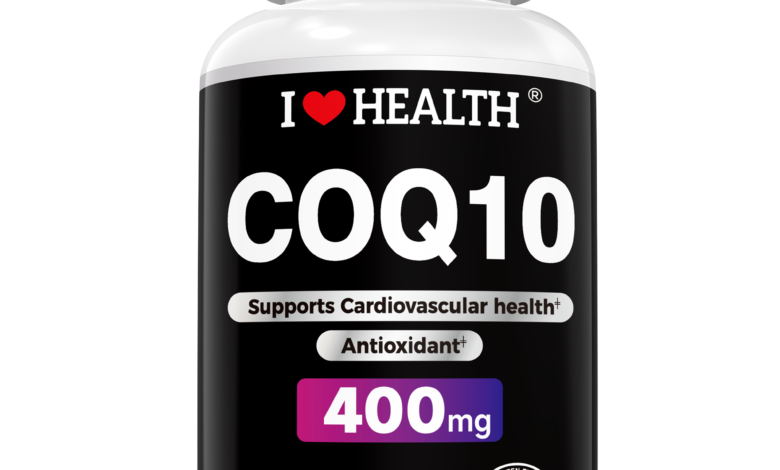
Coenzyme Q10 has moved from a niche cardiology topic to a shelf staple in most vitamin aisles, and that popularity has come with a downside. Shoppers pick a bottle, take a capsule with morning coffee, and expect the energy or heart-support benefits they read about online. When results feel thin, the assumption is usually that the supplement itself is weak. In truth, the routine around it is more often the reason returns feel flat. Absorption windows, form selection, food timing, and medication interactions all shape whether the compound reaches the tissues that need it. A CoQ10 product is only as useful as the habits built around it, and small missteps compound over weeks. This article walks through the mistakes that quietly erode the value of a daily dose, from taking it on an empty stomach to picking the wrong form for a person’s age. Fix these, and the same bottle can start delivering the outcomes people originally hoped for.
The Silent Reasons a CoQ10 Supplement Underperforms
Most people evaluate their supplement by the label alone. If the milligram count matches what a friend or forum suggested, the assumption is that the product should work. Coenzyme Q10 does not follow that clean logic. It is a fat-soluble molecule with a large, awkward structure that resists dissolving in water and struggles to cross the gut wall without help. Two brands with identical dosages can deliver very different amounts to the bloodstream depending on the carrier oil, particle size, and form used. That gap between what a label says and what a body absorbs is the first quiet reason a routine underperforms. A well-formulated coq10 supplement pairs the raw compound with a lipid base that mimics how the body would encounter it in food, which changes the absorption picture significantly. The second silent factor is duration. Coenzyme Q10 builds up in tissue over weeks, not days. People who try a bottle for ten days and stop rarely give the molecule time to accumulate to a functional level. Consistency, more than raw dose, decides whether a person ever feels a difference between one week and the next.
Timing, Food Pairing, and Absorption Missteps
The daily rhythm around a capsule shapes outcomes more than most users realize. Two habits deserve separate attention because they solve different absorption problems.




Taking It Without Dietary Fat
The single most common error is swallowing a capsule with black coffee or a glass of water on an empty stomach. Because the molecule is fat-soluble, it needs bile release to dissolve and travel across the intestinal lining. A body that has not eaten in eight hours does not produce much bile, so most of the dose slides through the digestive tract intact. The fix is simple and free. Take the capsule alongside a meal that contains at least a small amount of fat, such as eggs cooked in oil, avocado on toast, or yogurt with nuts. A tablespoon of olive oil in a salad is enough. Some users add their dose to their largest fat-containing meal of the day, often dinner, which also helps with tolerability for those who feel a slight stimulant-like alertness from morning dosing. If the schedule only allows a morning capsule, pair it with a fatty breakfast rather than pushing it into fasted hours. The absorption difference between fasted and fed dosing has been reported to be several-fold in clinical studies.
Splitting Doses Poorly Across the Day
Higher milligram counts do not always mean better outcomes. The intestinal transporters that move Coenzyme Q10 into circulation get saturated at moderate single doses. Swallowing a large capsule once daily can leave a chunk of the compound unabsorbed. Splitting the daily total into two smaller servings, taken with two separate fat-containing meals, often produces higher steady blood levels than the same amount taken all at once. The exception is a schedule that a person cannot realistically follow. A single well-timed dose that is taken every day beats a two-dose plan that gets skipped by lunchtime. Match the routine to real habits. If breakfast is the only reliable meal, keep the full dose there. If dinner is also stable, split. The goal is repeated, absorbed exposure across weeks, and the strategy that fits a schedule wins over the theoretically ideal plan that lives in a spreadsheet.
Choosing the Wrong Form for Your Age and Health Status
The market sells two dominant forms of Coenzyme Q10, and the difference matters more with age. Ubiquinone is the oxidized version, cheaper to produce, stable on the shelf, and well studied. Ubiquinol is the reduced, active form the body actually uses inside cells. Younger, healthy adults convert ubiquinone to ubiquinol efficiently in the liver, which is why traditional research on the ingredient worked despite using the oxidized form. That conversion becomes less reliable after roughly age forty and drops further when someone is on statin therapy, has a chronic illness, or lives with elevated oxidative stress. In those cases, starting with ubiquinol removes the conversion step and delivers the usable form directly. Buying an inexpensive ubiquinone product at fifty-five when a person is looking for measurable energy support is a common mismatch. The higher shelf price of ubiquinol reflects the extra manufacturing step required to stabilize the reduced form, and for some users the price difference is justified by the outcome. Anyone under forty who eats reasonably well and exercises regularly usually does fine with ubiquinone at a moderate dose. The picture shifts for older adults, endurance athletes, and people managing cardiovascular risk factors. Reading a label with age and health status in mind is more useful than chasing the highest milligram number. A moderate ubiquinol dose at fifty can outperform a much larger ubiquinone dose at the same age, even though the label numbers suggest otherwise. iLoveHealth publishes clear form information on each product page, which makes this decision easier than squinting at a supplement facts panel in a store aisle.
Ignoring Interactions With Everyday Medications
The final quiet mistake is treating the supplement as if it exists in isolation. It does not. Several common prescriptions interact with the compound in ways worth knowing. Statin drugs deplete endogenous Coenzyme Q10 by blocking the same biochemical pathway that produces cholesterol, which is a well-documented reason many statin users add the ingredient in the first place. Warfarin poses a different concern. Because CoQ10 shares structural similarities with vitamin K, high doses can subtly reduce the anticoagulant effect of warfarin, and dose adjustments should happen under a clinician’s guidance rather than on the fly. Blood pressure medications may have their action enhanced by CoQ10, which is helpful for some patients and problematic for others who then drop too low. Chemotherapy drugs and thyroid replacement medications have their own considerations that vary by protocol. None of this means avoiding the ingredient. It means bringing the bottle to the next appointment, showing the doctor or pharmacist what dose is being taken, and asking whether any prescription changes might interact. A five-minute conversation prevents most issues. Overlooking that step is how a well-chosen product ends up causing a problem it was never designed to create, and how the routine gets abandoned for the wrong reason.
Getting Practical Results From CoQ10
A supplement plan lives or dies in the details. Coenzyme Q10 rewards patience, correct form selection, food pairing, and awareness of what else a person is taking. The mistakes covered here are all fixable in a single week. Move the capsule to a meal that contains fat. Pick ubiquinol if age or health status suggests weaker conversion. Split the dose when a schedule supports it. Bring the bottle to the pharmacist so interactions are checked. None of these steps require buying a more expensive product or overhauling a routine. They ask for small, deliberate adjustments that respect how the molecule actually behaves in the body. Users who make the corrections often report that the same brand they had already been taking starts feeling more effective within a few weeks. That is not a placebo. It is the accumulated effect of a compound finally being absorbed and used the way its biology allows. Rework the routine, give it eight to twelve weeks, then judge the outcome fairly.