Living in an apartment often means making every square foot count. Whether you’re furnishing a studio, a one-bedroom, or a compact guest room, the decision between a sofa bed and a traditional bed frame can shape your daily comfort and how effectively you use your space. Both options come with distinct advantages, but the choice extends far beyond initial comfort or aesthetics. How well your furniture holds up over years of use—and what happens when something goes wrong—depends heavily on two often-overlooked factors: maintenance and warranty coverage.
A sofa bed’s folding mechanism demands different care than a stationary bed frame, and warranty terms vary significantly between these furniture types. Understanding these differences before you buy can save you hundreds of dollars in repairs and replacements down the road. In this article, we’ll compare sofa beds and bed frames across critical factors, walk through practical maintenance routines that extend furniture lifespan, and decode warranty fine print so you know exactly what protection you’re getting. Whether you’re a first-time renter or upgrading your current setup, these insights will help you make a confident, long-lasting investment.
Bed Frame Comparison: Choosing the Right Foundation for Your Space
When you’re working with limited square footage, your sleeping furniture becomes the anchor of your entire room layout. A sofa bed offers dual functionality—seating during the day and a sleeping surface at night—making it ideal for studio apartments or multipurpose rooms. A traditional bed frame, on the other hand, provides a dedicated sleep zone with consistent support, typically paired with a standalone mattress that you can select for your specific comfort preferences.



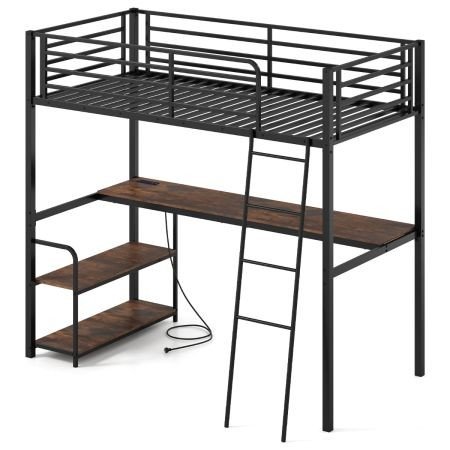
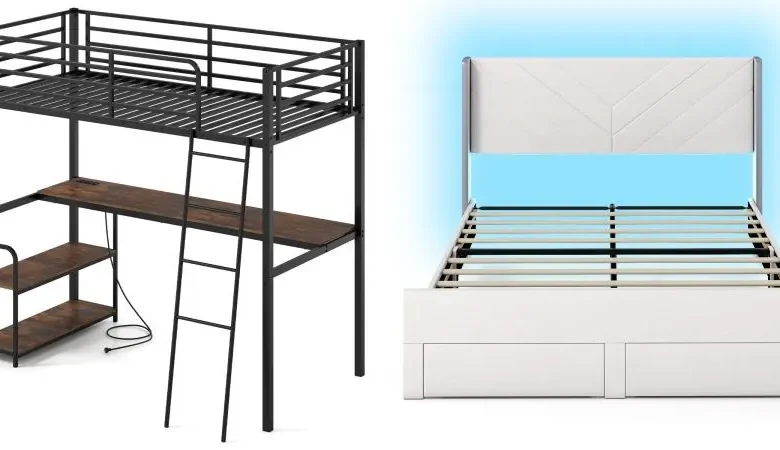
In terms of space efficiency, sofa beds clearly win in rooms that must serve double duty. However, bed frames with built-in storage drawers or low-profile platform designs can also maximize vertical and under-bed space. Comfort is where bed frames generally pull ahead: a quality mattress on a solid frame delivers better spinal alignment and sleep quality than most sofa bed mattresses, which tend to be thinner and less supportive due to folding constraints. Durability differs too—bed frames with fewer moving parts experience less mechanical wear, while sofa beds rely on hinges, springs, and folding mechanisms that degrade with frequent use.
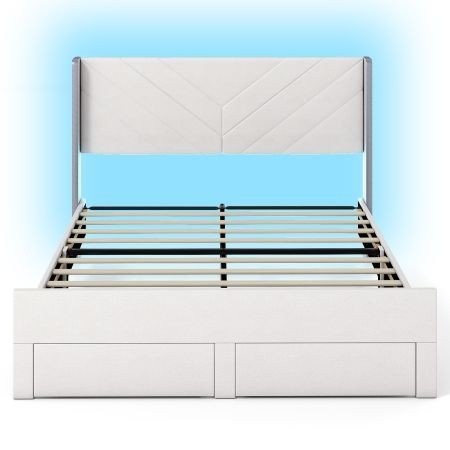
Cost comparisons aren’t straightforward. A sofa bed consolidates two furniture purchases into one, potentially saving money upfront. But replacement costs can be higher when mechanisms fail or thin mattresses compress. A bed frame paired with a separate mattress may cost more initially yet often lasts longer with proper care. Material choice significantly affects longevity: solid hardwood frames resist warping and can last decades, metal frames offer strength at lower weight but may develop squeaks at joints over time, and engineered wood provides affordability but is more susceptible to moisture damage and joint loosening. Retailers like Costway-AU offer both sofa beds and bed frames in various materials, making it easier to compare options within a single range when weighing durability against budget.
Key Factors in Sofa Bed vs. Bed Frame Selection
Multifunctionality is the sofa bed’s defining advantage—it eliminates the need for separate seating and sleeping furniture, which matters enormously in spaces under 500 square feet. Sleep quality, however, favors bed frames because you can choose any mattress thickness and firmness without worrying about folding clearance. Assembly requirements also differ: most bed frames require a one-time setup with basic tools, while sofa beds arrive largely pre-assembled but demand more careful positioning due to their weight and mechanical components.
Consider these comparison points when deciding: sofa beds suit spaces used for entertaining and occasional sleeping, while bed frames are better for nightly use where sleep quality is the priority. Sofa beds require more frequent maintenance due to their moving parts, and their warranty terms often include more exclusions related to mechanism wear. Bed frames typically carry simpler warranties focused on structural integrity. If you move frequently—common for apartment renters—sofa beds are heavier and more awkward to transport, whereas many bed frames disassemble into flat, manageable pieces.
Step-by-Step Guide to Evaluating Your Furniture Needs
Start by measuring your available space carefully. Record not just floor dimensions but also ceiling height, doorway widths for delivery, and the clearance needed for a sofa bed to fully extend. A sofa bed typically requires three to four feet of open space in front of it when unfolded, which many people forget to account for until the furniture arrives.
Next, define how frequently you’ll use the sleeping function. If you sleep on it every night, prioritize a bed frame with a proper mattress—your body will thank you within weeks. If the sleeping surface is for occasional guests or weekend use, a sofa bed makes practical sense without sacrificing daily comfort. Third, set a realistic budget that includes not just the purchase price but anticipated maintenance costs over three to five years. Sofa beds may need mechanism lubrication, mattress replacement, or upholstery repair sooner than a simple bed frame needs attention.
Finally, consider your long-term plans. If you expect to move to a larger space within a year or two, a sofa bed bridges the gap effectively. If you’re settling into a space for several years, investing in a durable bed frame with quality materials pays off through better sleep and lower replacement frequency. For small apartments specifically, look for bed frames with integrated headboard storage or platform designs that eliminate the need for a box spring, keeping the profile low and the room feeling open.
Sofa Bed Maintenance: Prolonging the Life of Your Versatile Furniture
A sofa bed works harder than almost any other piece of furniture in your home. It transitions between two distinct functions daily or weekly, and each transformation puts stress on joints, fabric, and cushioning that a stationary piece never experiences. Proper sofa bed maintenance isn’t just about keeping things clean—it’s about preserving the mechanical integrity that makes the dual function possible in the first place. Without regular attention, a sofa bed that felt perfectly comfortable during year one can become a creaky, sagging frustration by year three.
The most common issues sofa bed owners face stem from neglecting the folding mechanism. Metal hinges and springs accumulate dust and debris that create friction, leading to stiff operation and eventual grinding that damages components. Fabric and foam deteriorate faster on sofa beds because the mattress gets folded and compressed repeatedly, breaking down cellular structure more quickly than a mattress that lies flat permanently. Upholstery wears unevenly too—armrests and the seat front take punishment from daily sitting, while the sleeping surface endures body weight in a completely different orientation.
The good news is that consistent, straightforward care dramatically extends your sofa bed’s functional life. Most maintenance tasks take minutes rather than hours, and the tools required are things you likely already own. Addressing small problems immediately—a new squeak, a slight resistance when unfolding, a developing sag—prevents them from cascading into expensive repairs or premature replacement. Think of sofa bed maintenance as an ongoing relationship with your furniture rather than a crisis-response activity.
Essential Cleaning and Care Routines
Daily care is simple: remove decorative pillows and cushions before folding or unfolding to prevent fabric pinching, and brush away crumbs or debris from the seating surface. This takes thirty seconds but prevents material from working into the mechanism below. Weekly, vacuum the entire sofa bed using an upholstery attachment, paying special attention to crevices where the seat meets the backrest and along the base where the frame meets fabric. Pull out the mattress section and vacuum underneath it—this area collects surprising amounts of dust that eventually migrate into hinges.
Monthly tasks require slightly more effort but deliver significant returns. Inspect the folding mechanism visually for rust spots, loose bolts, or fabric caught in moving parts. Apply a silicone-based lubricant to all hinges, pivot points, and sliding tracks—avoid petroleum-based products that attract dust and gum up over time. Flip or rotate the sofa bed mattress if its design allows, distributing wear more evenly across the sleeping surface. Spot-clean any stains on upholstery using a manufacturer-approved cleaner, and treat leather or faux-leather surfaces with appropriate conditioner to prevent cracking at fold points. Every three to six months, tighten all accessible bolts and screws, as the repeated motion of opening and closing gradually loosens hardware that holds the frame together.
Troubleshooting Common Sofa Bed Problems
When your sofa bed develops a squeak or becomes difficult to open, start by identifying exactly where the noise or resistance originates. Unfold the bed slowly while a second person watches the mechanism—wear points typically appear where metal contacts metal without adequate lubrication, or where a bolt has loosened enough to allow components to shift against each other. Apply lubricant to the specific point first; if the squeak persists, check whether a bolt needs tightening or a washer has worn through.
Frame instability usually manifests as wobbling when sitting or a feeling of unevenness when the bed is extended. Check that all legs are making full contact with the floor and that leveling feet haven’t unscrewed themselves. Examine welded joints on metal frames for hairline cracks—these require professional repair or warranty claim rather than DIY fixes. For wooden components, look for splits along grain lines near stress points, which indicate the piece is bearing more load than designed.
Mattress sagging is the most common comfort complaint and often the trigger for considering replacement. Before buying a new mattress, try adding a high-density foam topper as an interim solution—this redistributes pressure and can extend usable life by a year or more. When the mattress does need replacement, measure carefully because sofa bed mattresses use non-standard dimensions that differ from regular bedding sizes. Keep your warranty documentation accessible during troubleshooting, as mechanism failures and frame defects within coverage periods should be claimed rather than repaired at your own expense.
Furniture Warranty Explained: Protecting Your Bed Frame and Sofa Bed Investments
A furniture warranty serves as your financial safety net when manufacturing defects or premature failures surface after purchase. Yet many apartment dwellers never read their warranty terms until something breaks—and by then, they often discover their specific issue isn’t covered. Understanding how furniture warranty protection works before you buy gives you negotiating power at the point of sale and realistic expectations about what happens when problems arise. The differences between sofa bed and bed frame warranties reflect the fundamental differences in how these products are built and how they fail.
Most furniture warranties fall into two categories: limited warranties and extended warranties. A limited warranty comes standard with your purchase and typically covers manufacturing defects in materials and workmanship for a defined period—commonly one to five years for bed frames and one to three years for sofa beds. The shorter coverage period on sofa beds reflects manufacturers’ acknowledgment that moving parts have a finite mechanical life. Extended warranties, purchased separately, add years of coverage and sometimes expand the scope to include accidental damage, but they come at additional cost and their value depends entirely on the specific terms offered.
For bed frames, warranty coverage generally focuses on structural components: frame joints, slat systems, and hardware connections. A cracked side rail or a broken center support beam that results from normal use would typically qualify for a claim. Sofa bed warranties must address both the furniture structure and the folding mechanism, creating a more complex coverage landscape. Mechanism warranties often carry separate terms from upholstery or frame coverage, with some manufacturers warranting the metal mechanism for five years while limiting fabric coverage to one year. The claim process for apartment dwellers deserves special attention—many warranties require you to transport the item to a service center or be present during specific service windows, which can be challenging if you work standard hours or lack vehicle access for large items.
Registering your warranty promptly after purchase is essential. Many manufacturers require registration within 30 days to activate full coverage, and without registration, you may face delays or denials when filing claims. Keep your receipt, order confirmation, and any delivery documentation in a dedicated folder—digital copies stored in cloud storage ensure you won’t lose proof of purchase during a move. Understanding your furniture warranty before you need it transforms a stressful breakdown into a manageable process with a clear resolution path.
Understanding Warranty Coverage and Exclusions
Bed frame warranties tend to be more straightforward than sofa bed warranties because there are fewer components that can fail. A typical bed frame warranty covers defects in welding, wood joinery, finish peeling or bubbling that wasn’t caused by environmental exposure, and hardware failure under normal use conditions. Sofa bed warranties add mechanism coverage but often exclude normal wear on springs and hinges after a specified number of cycles—some manufacturers define “normal use” as a specific number of fold-unfold operations per year, and exceeding that threshold voids mechanism coverage.
Common exclusions across both furniture types include damage from improper assembly, modifications made after purchase, water or liquid damage, pest infestations, and normal wear such as fabric fading or foam softening over time. Accidental damage—a broken slat from jumping on the bed, a torn mechanism from forcing a stuck fold—is almost universally excluded from standard warranties. When reviewing your warranty documents, check these critical points: what specific components are covered, the exact duration for each component category, whether in-home service is provided or you must arrange transport, what documentation is required for claims, and whether the warranty transfers if you sell the furniture.
Step-by-Step Process for Warranty Claims and Repairs
When you notice a defect or failure, document it immediately before attempting any fix. Take clear photographs from multiple angles showing the specific problem—a cracked weld, a snapped slat, a mechanism that won’t lock into position. Include wider shots that show the overall piece and close-ups of the damage point. If the issue involves function rather than visible damage, record a short video demonstrating the problem, such as a mechanism that catches or a frame that wobbles under normal weight.
Contact the manufacturer’s warranty department rather than the retailer, unless the retailer explicitly handles warranty service. Have your proof of purchase, warranty registration number, and documentation ready before calling. Describe the issue factually without speculation about causes—let the manufacturer determine whether it qualifies. Most companies will ask you to submit photos electronically before scheduling any service visit or authorizing a replacement.
Once your claim is approved, you’ll typically receive one of three resolutions: a replacement part shipped to you for self-installation, a scheduled technician visit for in-home repair, or a full replacement of the unit. For apartment dwellers, clarify logistics upfront—ask whether the technician needs building access codes, elevator reservations, or parking arrangements. If you’re offered a replacement rather than repair, confirm whether the company handles removal of the defective piece, as disposal of large furniture in apartment buildings often requires scheduling with building management. Keep all communication records until the claim is fully resolved, as warranty disputes occasionally require escalation with documented correspondence as evidence.
Making the Right Choice for Long-Term Comfort and Value
Choosing between a sofa bed and a bed frame ultimately comes down to how you use your space, how often you sleep on the surface, and how much ongoing care you’re willing to invest. Sofa beds deliver unmatched versatility for small apartments and multipurpose rooms, but they demand more frequent maintenance attention due to their mechanical complexity. Bed frames offer superior sleep quality and simpler upkeep, making them the stronger choice for nightly use and long-term durability.
Regardless of which option you choose, consistent maintenance is what separates furniture that lasts a decade from furniture that disappoints after two years. Lubricating mechanisms, tightening hardware, rotating mattresses, and addressing small issues before they escalate—these habits cost almost nothing but deliver substantial returns in comfort and longevity. Equally important is understanding your warranty coverage from day one. Knowing what’s protected, what’s excluded, and how to file a claim efficiently means you won’t absorb costs that rightfully belong to the manufacturer.
For apartment dwellers balancing tight budgets with limited space, the smartest approach combines an informed purchase decision with proactive care and clear warranty awareness. That combination ensures your furniture investment supports your daily life reliably, no matter which path you choose.