Storms can do a lot more damage to your roof than most people realize. Even if your home looks fine from the ground, strong winds, hail, and heavy rain can leave behind hidden problems. Honestly, small roof issues can turn into expensive repairs if they’re ignored for too long.
That’s why it’s important to check for signs of damage after a major storm passes through. Catching problems early can help protect your home from leaks, mold, and structural damage. Here are some of the most common signs of roof damage you should watch for.
Why Storm Damage Should Never Be Ignored
Roof damage doesn’t always show up right away after a storm. Sometimes water slowly works its way under shingles and into the attic before you notice anything inside your home. By the time stains or leaks appear, the damage may already be worse than expected.



A damaged roof can also affect other parts of your house. Moisture can ruin insulation, weaken wood, and even lead to mold growth over time. Getting your roof checked early can save you money and stress later on.
1. Missing or Loose Shingles
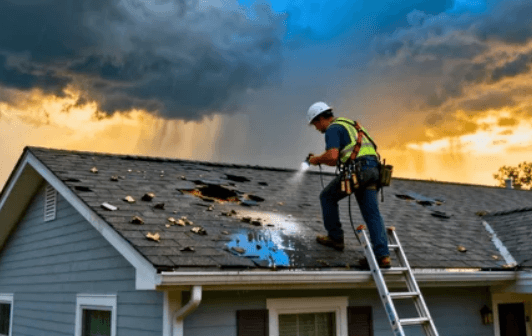
One of the easiest signs to spot after a storm is missing shingles. Strong winds can lift shingles off your roof or loosen them enough to let water sneak underneath. You might even find pieces of shingles scattered around your yard after bad weather.
Loose shingles are a problem too, even if they haven’t completely fallen off yet. They leave parts of the roof exposed to rain and moisture, which can lead to leaks pretty quickly. If you notice bare spots on your roof, it’s a good idea to call for an inspection.
2. Water Leaks or Ceiling Stains
Water stains on ceilings or walls are often a sign of roof damage after a storm. You may notice brown spots, peeling paint, or damp areas in rooms near the attic. Sometimes the leak is small at first, but it can spread fast during the next rainfall.
Leaks don’t always happen immediately after the storm ends. Water can slowly drip through damaged roofing materials before finally showing inside your home. If something smells musty or feels damp, your roof could be letting moisture in.
Signs of Hidden Water Damage
Hidden water damage can show up in different ways around the house. You might notice bubbling paint, wet insulation in the attic, or a musty smell that won’t go away. These signs usually mean moisture has been sitting there for a while.
3. Dented or Cracked Shingles
Hailstorms can leave dents, cracks, or bruises on shingles that are hard to notice from the ground. Even small cracks can weaken the roof and make it easier for water to get inside. Over time, damaged shingles start wearing out much faster than normal.
You may also see asphalt granules coming loose after hail hits the roof. Those granules help protect shingles from sun and weather damage. Once they start falling off, your roof becomes more vulnerable to future storms.
4. Granules in Gutters or Downspouts
After a storm, take a quick look inside your gutters and downspouts. If you see a large amount of black, sand-like granules, your shingles may have been damaged. This usually happens when hail or heavy rain wears down the surface of the roof.
Some granule loss is normal as roofs age, but heavy amounts can be a warning sign. Without those protective granules, shingles can crack and break down faster. That’s why it’s smart to have your roof inspected if you notice this problem.
See also: Maintaining a Cleaner and Healthier Home Environment
5. Sagging Roof Areas
A sagging roof is something you should never ignore. It can mean water has soaked into the roof decking and weakened the structure underneath. In some cases, the damage becomes serious enough to create safety risks inside the home.
Heavy rainstorms can sometimes trap moisture in certain parts of the roof. Over time, that extra weight causes sections to dip or sag. If any area of your roof looks uneven, it’s best to get professional help right away.
6. Damaged Flashing or Roof Vents
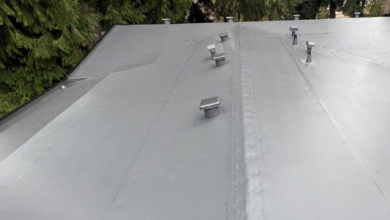
Flashing is the metal material placed around chimneys, vents, and skylights to keep water out. During storms, strong winds can bend or loosen flashing and create openings for moisture. Water often slips through these weak spots without homeowners noticing at first.
Roof vents can also crack or shift during severe weather. Once vents are damaged, rainwater can enter the attic and spread into other parts of the house. Honestly, these smaller roof parts are easy to overlook, but they play a big role in protecting your home.
Common Areas Where Flashing Fails
Flashing problems usually happen around chimneys, skylights, roof valleys, and vent pipes. These areas deal with a lot of water flow during storms, so damage there can quickly lead to leaks. Even a small gap can let moisture inside over time.
7. Mold, Mildew, or Musty Smells
Storm damage can create the perfect conditions for mold growth inside your home. When water gets trapped in the attic or behind walls, mold and mildew can start forming before you even notice a leak. A strong musty smell is often one of the first warning signs.
Mold problems can affect both your home and your health. Some people may experience allergies, headaches, or breathing issues from poor indoor air quality. If you notice mold after a storm, there’s a good chance your roof has moisture damage somewhere.
What to Do If You Notice Roof Damage
If you think your roof was damaged during a storm, try not to climb up there yourself. Wet roofs can be slippery and dangerous, especially if the structure is already weakened. It’s safer to inspect from the ground or call a storm damage restoration and repair service.
Take photos of any visible damage if you can do it safely. Those pictures may help when filing an insurance claim later on. A professional inspection can also catch hidden issues before they turn into major repairs.
Conclusion
Storm damage can leave behind problems that are easy to miss at first. Things like missing shingles, water stains, sagging areas, and mold smells are all signs that your roof may need attention. The sooner you catch these issues, the easier and less expensive the repairs usually are.
After any major storm, it’s a smart idea to check your home for warning signs and schedule a professional inspection if something seems off. A strong and healthy roof helps protect your home, your belongings, and your family from future damage. Even small repairs now can help you avoid much bigger problems later on.