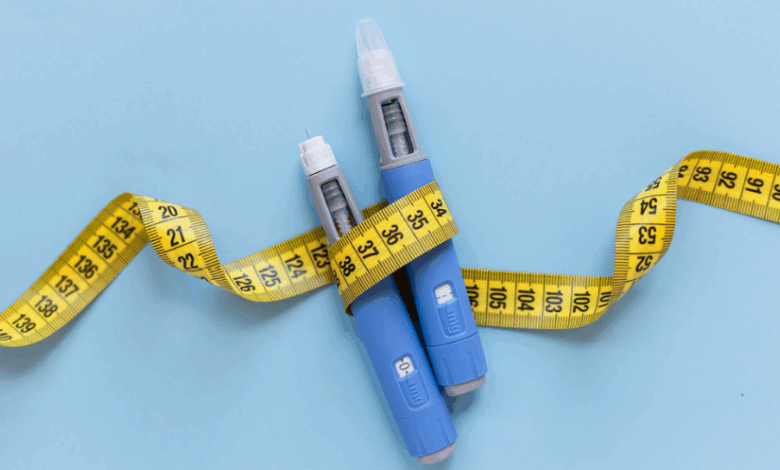
Microdosing GLP-1 products is starting to get attention for more than just weight loss. There’s growing interest in how it might play a role in longevity, better metabolic health, and even slowing down how fast we age. And not in a general “feel better” kind of way – we’re talking measurable effects on blood sugar, inflammation, and fat storage.
Let’s get into what microdosing GLP-1 is, why it matters, and how some patients and physicians are rethinking the role of these injections beyond full-dose prescriptions.
What Is Microdosing GLP-1? Microdosing GLP-1 means using much smaller doses of semaglutide (or similar GLP-1 medications) than those typically prescribed for weight loss or diabetes.



Instead of the standard 1.0 mg or 2.4 mg per week that’s common with GLP-1 drugs like Ozempic or Wegovy, microdosing protocols may use as little as 0.125 mg or 0.25 mg once or twice weekly. The goal isn’t to dramatically suppress appetite or cause fast weight loss. It’s to nudge metabolism, glucose regulation, and fat storage in a more subtle way – ideally with fewer side effects and more sustainable long-term results.
This approach is being tested by longevity clinics, telehealth providers like AgelessRx, and even some independent doctors who are using it off-label.
Why GLP-1 Receptors Matter for Aging and Health
GLP-1 receptor agonists (like semaglutide) were designed to help manage blood sugar in people with type 2 diabetes. But researchers have noticed something else. People taking GLP-1 medications tend to lose visceral fat. Their insulin sensitivity improves. Their risk for cardiovascular events drops.
In fact, the SELECT trial showed that people on full-dose semaglutide had a 20% reduction in major adverse cardiovascular events. That’s not just about weight. That’s about extending the number of healthy years you might live.
So what happens when you microdose instead of max out?
You still activate the GLP-1 receptors. You still promote better glucose control. But instead of aiming for rapid weight loss or full diabetic control, you’re shifting the baseline of your metabolism toward more efficient function. And you’re doing it in a way that’s more compatible with longevity goals.
See also: Benefits of Hydra Facial Treatments for Acne-Prone Skin
Microdosing GLP-1 for Leaner, Not Just Lighter
Excess visceral fat is tied to chronic inflammation, insulin resistance, fatty liver, and aging. The kind of fat that clogs organs, drives high blood pressure, and stresses the immune system. Microdosing GLP-1 targets that process gently.
Even small doses of semaglutide have been shown to improve body composition – less abdominal fat, more lean mass preservation, and more stable energy from food.
Some patients using microdoses report improved satiety, more balanced eating patterns, and better glycemic control, even though they’re not trying to lose 30 pounds. They just want to stop creeping upward every year, stop the metabolic slide, and keep muscle while they age.
How Microdosing GLP-1 Supports Longevity Pathways
GLP-1 agonists touch several of the same pathways longevity researchers study. Things like:
- Lowering blood glucose and insulin levels (less glycation damage)
- Reducing chronic low-grade inflammation (a driver of aging)
- Promoting mitochondrial health and fat oxidation
- Supporting a healthy gut-brain axis (connected to appetite, mood, and cognition)
The goal isn’t just to get thin. It’s to reduce the silent drivers of aging that build up over decades – unstable blood sugar, fatty liver, poor sleep, sluggish metabolism.
When done carefully, microdosing can be a tool for metabolic resilience. Something that supports your current health while also slowing the damage that makes aging feel hard.
What Microdosing GLP-1 Is Not
It’s not a fast track to beach-body weight loss. It’s not a replacement for real food or exercise. And it’s definitely not a cure-all.
It’s a metabolic adjustment tool – especially helpful for people in their 30s, 40s, and 50s who want to reduce their long-term risk for insulin resistance, diabetes, and cardiovascular disease, but don’t need a full-dose GLP-1 plan.
Some people fail to get the benefits because they dose too low and stop early. Others give up when the appetite suppression isn’t dramatic enough. But that’s kind of the point. Microdosing GLP-1 is not about extreme changes. It’s about shifting your physiology by degrees over time.
The Right Time to Start Microdosing GLP-1
You don’t need to be diabetic or obese to consider this. In fact, that’s where the growing demand is – among people who are not medically required to take GLP-1 drugs but who want to use them proactively, like they would use metformin or low-dose naltrexone.
It’s especially useful if:
- You gain weight easily around the abdomen
- You have slightly elevated fasting insulin or blood glucose
- You’ve had gestational diabetes, PCOS, or fatty liver in the past
- You’ve hit a weight plateau and want a sustainable nudge
- You’re focused on healthspan, not just lifespan
As always, talk to a clinician. You need lab data and a proper plan. But don’t assume you have to wait until you’re sick to take action.
Why Getting It Right Matters
Microdosing semaglutide without monitoring can lead to underdosing or inconsistent results. Some people try to “DIY” it with compounded products from unknown sources or try to stretch a single dose across multiple weeks. That’s risky and ineffective.
The half-life of semaglutide is long, but the body’s response to small doses can still vary based on diet, stress, and baseline insulin sensitivity. You want medical staff who understand that – and can adjust your dosing if your body composition or blood markers change over time.
Why Source Matters: Buy from a Reputable Longevity Provider
There are too many compounding pharmacies, discount clinics, and sketchy websites selling “GLP-1” that may not contain what they say. Or worse, that get the dosage completely wrong.
That’s why it’s important to work with a longevity-focused provider like AgelessRx. They’re not just selling a product. They’ve spent years developing longevity protocols, tracking data, and making sure what they send you is real, regulated, and paired with actual medical support. That includes microdosing GLP-1 products the right way – with smart titration, honest feedback, and clinicians who understand the difference between a cosmetic goal and a metabolic one. And if your body changes, your dose can too. You’re not locked into some static program. You’re getting real attention from a team that cares about healthy aging, not just short-term weight trends.
Bottom Line
Microdosing GLP-1 isn’t for everyone. But for a growing number of people focused on metabolic health, it’s becoming a serious option. It’s not flashy, fast, or magic – and that’s exactly why it works.
Whether you’re trying to protect against age-related weight gain, stabilize blood sugar, or just stay metabolically flexible into your 50s and 60s, microdosing GLP-1 can support that. And when done under the guidance of a trusted longevity provider, the benefits can be long-term, subtle, and real.
If you’re wondering whether this might work for you, don’t wait until problems show up. Ask early. Start small. And use the kind of care that helps you actually get the results you’re aiming for.