In industrial environments, equipment choices are rarely about preference. They are shaped by workflow, safety, and the physical realities of what is being processed. That’s why a front loading oven continues to appear in sectors where access, control, and repeatability matter more than speed alone.
Unlike conveyor or batch systems that prioritise throughput, front loading designs suit operations where handling needs to be deliberate. This is often the case with heavy components, delicate assemblies, or products that require precise placement rather than continuous movement. The way material enters and exits the chamber influences not just efficiency, but consistency and risk.
Access Shapes How Heat Is Used
The defining feature of a front loading oven is exactly that: access from the front face rather than above or through. This might sound trivial, but in practice it affects everything from loading method to heat distribution.

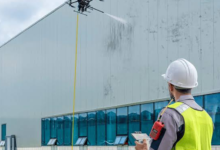
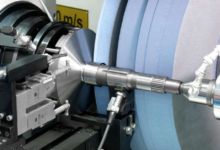

Front access allows operators to position items at a controlled height and orientation. For large or awkward components, this reduces the need for overhead lifting and limits the chance of misalignment. In processes where parts must sit in fixtures or racks, being able to see and guide placement matters.
Heat exposure also becomes more predictable. With a single access plane, airflow and temperature gradients can be managed in a more uniform way. That predictability is particularly important where uneven heating could introduce stress, distortion, or inconsistent curing.
Where Front Loading Fits Best
Not every industrial task benefits from front loading, but when it does, the advantages tend to be practical rather than theoretical. These ovens are often used where batches vary in size or where manual intervention is part of the process.
Manufacturing environments dealing with fabricated metal parts, composite components, or specialist coatings often fall into this category. The ability to load, observe, and unload without altering the surrounding workflow helps maintain quality control. Operators can respond to subtle differences between batches instead of forcing every job through the same automated cycle.
There’s also a space consideration. In facilities where ceiling height is limited or overhead handling is restricted, front access avoids the need for vertical clearance. This can make integration simpler, especially in older buildings or retrofitted production spaces.
Read Also: Discover the Best Tech Guitars with Detachable Neck
Safety Is More Than Compliance
Industrial ovens carry inherent risk. High temperatures, heavy loads, and repeated access all create points where things can go wrong. Front loading designs tend to concentrate those risks in a single, predictable area rather than dispersing them across multiple access points.
This makes it easier to design safeguards around operator movement and behaviour. Clear sightlines, controlled door mechanisms, and defined loading zones reduce uncertainty. Over time, that consistency matters more than any single safety feature, because it shapes how people interact with the equipment day after day.
It also affects training. When access and operation follow an intuitive pattern, new staff reach competence more quickly. Fewer workarounds develop, and informal shortcuts are easier to spot and correct.
Longevity Comes From Simplicity
One reason front loading ovens persist in industrial settings is durability. Fewer moving parts associated with loading mechanisms often translate into fewer failure points. Doors, seals, and controls still require maintenance, but the fundamental operation remains straightforward.
That simplicity supports long service life, particularly in environments where equipment is expected to run reliably rather than impressively. When downtime is costly, predictability tends to outweigh novelty.
Choosing Fit Over Fashion
Industrial equipment trends change, but core requirements don’t. Heat still behaves the same way. Materials still respond to temperature in predictable patterns. Operators still need access that matches the task at hand.
Front loading ovens continue to earn their place not because they are the most modern option, but because they align well with certain realities of production. Where control, access, and consistency matter, they remain a practical choice rather than a legacy one.