Introduction
Machining steel grades is a critical aspect of manufacturing that involves precision engineering to transform raw steel into finished parts used across various industries. Steel, with its diverse grades and properties, requires specific machining techniques to achieve optimal results. This comprehensive guide explores the complexities of machining different steel grades, including the techniques used, the challenges faced, and emerging trends in the field.
Understanding Steel Grades
Steel grades are classifications that reflect the composition and properties of steel. These grades are crucial for determining how steel behaves during machining and its suitability for different applications.
Common Steel Grades and Their Characteristics
- Carbon Steels
- Description: Carbon steels are categorized based on their carbon content, which influences their hardness and strength. Common grades include low carbon steel (e.g., ASTM A36), medium carbon steel (e.g., ASTM A514), and high carbon steel (e.g., ASTM AISI 1095).
- Properties: Low carbon steels are known for their ductility and weldability, making them suitable for structural components. Medium carbon steels offer a balance between strength and toughness, while high carbon steels are recognized for their hardness and wear resistance.
- Alloy Steels
- Description: Alloy steels are steel grades alloyed with elements such as chromium, nickel, or molybdenum to enhance their properties. Key grades include AISI 4140 and AISI 4340.
- Properties: Alloy steels provide improved strength, toughness, and resistance to wear and corrosion. They are used in applications requiring high performance and durability.
- Stainless Steels
- Description: Stainless steels are alloyed primarily with chromium and sometimes nickel to offer resistance to corrosion. Notable grades include AISI 304 and AISI 316.
- Properties: Stainless steels are valued for their corrosion resistance and aesthetic appeal. They are used in environments where rust and corrosion are concerns, and they are easy to clean.
- Tool Steels
- Description: Tool steels are designed for making tools and dies, and include high-speed steel (HSS) and cold work tool steels like A2 and D2.
- Properties: Tool steels are characterized by their hardness and ability to retain sharp edges, making them ideal for cutting tools and dies.
Machining Techniques for Steel Grades
Machining techniques vary based on the steel grade, and selecting the right method is essential for achieving high-quality results.


Read also: How Much is a Brick Making Machine?Understanding the Price Range of Brick Making Machines
1. Turning
- Description: Turning involves rotating the steel workpiece while a stationary cutting tool removes material. This process is used to produce cylindrical parts with precise dimensions.
- Techniques: For low carbon steels, turning is relatively straightforward due to their softness. For medium and high carbon steels, slower speeds and more robust tools are necessary to manage increased hardness and potential tool wear.
2. Milling
- Description: Milling uses rotating cutting tools to remove material from a stationary workpiece. It is suitable for creating complex shapes and features.
- Techniques: Milling stainless steels requires tools with high wear resistance and effective cooling systems to manage heat and prevent work hardening. Techniques such as climb milling and using carbide tools can improve performance.
3. Drilling
- Description: Drilling uses rotating bits to create holes in a steel workpiece. Precision in hole size and placement is critical.
- Techniques: Alloy steels may require specialized drill bits and lubrication to manage heat and prevent tool wear. Using cutting fluids and optimizing drilling speeds can enhance performance.
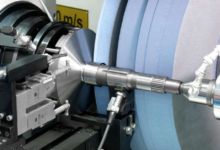
4. Grinding
- Description: Grinding employs abrasive wheels to achieve fine surface finishes and precise dimensions. It is often used for finishing operations.
- Techniques: Tool steels, known for their high hardness, benefit from grinding to achieve smooth finishes and tight tolerances. Selecting appropriate abrasive materials and cooling methods is crucial for effective grinding.
5. Electrical Discharge Machining (EDM)
- Description: EDM uses electrical discharges to erode material from the steel workpiece. This technique is ideal for creating intricate shapes and features.
- Techniques: EDM is particularly effective for hard materials like tool steels and high-carbon steels, where traditional machining methods may struggle. Proper electrode selection and machine settings are important for optimal results.
Challenges in Machining Steel Grades
Different steel grades present unique challenges during machining. Addressing these challenges is key to achieving high-quality outcomes.
1. Tool Wear and Maintenance
- Description: Harder steel grades can cause rapid tool wear, affecting precision and increasing production costs.
- Solutions: Regular tool maintenance and the use of high-quality tooling materials can mitigate tool wear. Employing advanced coatings and selecting appropriate cutting parameters can also extend tool life.
2. Heat Management
- Description: Machining steel generates heat, which can lead to thermal expansion, warping, and reduced tool life.
- Solutions: Implementing effective cooling methods, such as flood coolant or mist systems, and optimizing machining speeds and feeds can manage heat-related issues and maintain dimensional accuracy.
3. Material Hardness
- Description: High-hardness steel grades, such as high-carbon and tool steels, pose challenges in terms of cutting forces and tool wear.
- Solutions: Utilizing robust cutting tools, using slower cutting speeds, and applying adequate lubrication can help manage the difficulties associated with hard materials.
4. Surface Finish Quality
- Description: Achieving a high-quality surface finish can be challenging with harder steel grades due to tool marks and roughness.
- Solutions: Employing fine-grit abrasives, optimizing machining parameters, and incorporating post-machining processes like polishing can enhance surface finish quality.
5. Workpiece Distortion
- Description: Steel workpieces can experience distortion due to internal stresses and uneven material removal during machining.
- Solutions: Techniques such as stress-relief annealing, careful fixturing, and precise machining parameters can help reduce workpiece distortion and improve dimensional stability.
Conclusion
Machining steel grades is a complex and critical aspect of manufacturing that requires a deep understanding of steel properties, machining techniques, and emerging trends. By mastering these aspects, manufacturers can achieve high-quality results, address challenges effectively, and stay ahead in a competitive industry. As technology advances and new materials emerge, the field of steel machining will continue to evolve, offering exciting opportunities for innovation and improvement.