At first, picking a technology partner can seem pretty straightforward. Most firms describe themselves in much the same way, offering the same list of services and support, often paired with those familiar images of people assembled around laptops. The real differences show up when it matters most. Imagine your inbox stops working early on a Monday, or your CFO asks why a small upgrade ended up costing much more than expected. These are the times when you see which companies really keep their promises.
Making the right choice is more important now than it was before. Technology affects nearly every part of a business, from quoting deals in sales to tracking inventory in the warehouse. If your vendor relationship is weak, it can slow things down across the board. But a strong partnership can help your operations function faster, more safely, and with less stress. So before you sign another contract, it helps to slow down and look at the firm in front of you with a clearer set of criteria. This checklist is built for exactly that moment.
Why Getting This Right Is Harder Than It Looks
Most businesses begin their search the same way. Somebody types a phrase like “IT consulting services near me” into Google, scrolls through a few pages of results, and starts booking discovery calls. That approach is not wrong, but it tends to flatten the differences between firms. Every provider on the first page will claim to care about your business, to have certified engineers, and to respond quickly to support tickets. What they will not tell you, at least not clearly, is whether their team actually has the depth and maturity to support a company at your current stage of growth.




Choosing the right technology partner at the right time can shape your organization’s future. Often, companies wait until issues such as ransomware attacks, failed migrations, or the loss of a key technical employee before seeking help. When problems hit, it’s easy to make decisions too quickly. Some sales-focused firms may promise fast solutions, leading to contracts being signed without sufficient review. The checklist below is designed to help you slow down and make a mindful choice so you can avoid regrets later.
The Twelve Things to Look At Before You Sign
A good way to think about IT consulting services is to treat them less like a utility and more like a long-term professional relationship. You are not simply buying bandwidth or a ticketing queue. You are buying judgment, responsiveness, and accountability. The right IT consulting services partner will shape decisions that affect your payroll system, your customer data, your compliance posture, and the day-to-day sanity of your staff. That is why this checklist is not only about features and pricing. It also covers the softer, often overlooked factors that tend to predict whether a partnership will still feel healthy three years in.
Here are twelve specific items to work through during your evaluation process:
- Certifications and technical credentials. Ask who on the team holds recognized certifications such as CISSP, CompTIA, Microsoft, Cisco, or AWS. Certifications are not a guarantee of talent, but their lack is a red flag. It usually means the firm is not investing in ongoing training for its engineers.
- Experience in your industry. A firm that has worked a lot with law offices already understands confidentiality rules. One who supports healthcare clients knows HIPAA inside and out. General experience works for some needs, but in regulated or specialized fields, industry know-how saves you from having to train your vendor as you go.
- References from similar clients. Ask for two or three references from organizations of a matching size and industry. Call them. Find out what frustrates them, not just what they like. Any vendor can show off great website quotes, but not all will pass a real conversation with a current client.
- Team depth beyond the salesperson. Meet the engineers who will actually work on your account. If the firm says no, take that seriously. You need to know if you are getting a full team of experts or just one person who could leave and take all the knowledge with them.
- A clear explanation of how tickets are handled. Make sure response times, escalation steps, after-hours support, and what happens if targets are missed are documented. If these details are vague now, they will likely cause problems when you encounter your first real issue.
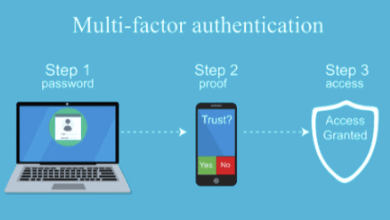
- Security posture and compliance awareness. A good partner will raise issues such as multi-factor authentication, endpoint protection, patch management, and backup testing on their own. If you have to ask about these during sales, think about how hard it will be to get answers during a real incident.
- Honest pricing. Look out for hidden fees, unclear service limits, and how changes are handled. The best firms tell you what is included, what costs extra, and how to avoid surprise bills. If pricing is unclear now, the relationship probably will be too.
- Strategic guidance, not just help desk support. Good IT consultants do more than fix problems. Look for signs that they help with planning and budgeting and that they offer virtual CIO services. You want a partner who helps you plan for the future, not just fix yesterday’s issues.
- Documentation standards. Ask how they keep records of your setup. Network diagrams, asset lists, password storage, and runbooks should be kept up to date and always available to you. If a firm keeps your information locked away to keep your business, that is a warning sign.
- Cultural fit with your team. Your staff will interact with this partner constantly. If the firm appears as being dismissive or condescending on the first call, that tone will not improve once the contract is signed. Pay attention to how they treat your non-technical employees during the sales process, not just the executives.
- Scalability. Can they support you at three times your current size? What happens if you open a second location, bring in a remote workforce, or acquire another company? The ideal partner grows with you instead of quietly becoming a ceiling on your growth.
- A real offboarding plan. This one sounds awkward to ask about, but it matters. A confident firm will explain exactly how they would hand your environment back to you if the relationship were to end. Vendors that refuse to discuss offboarding are often the same vendors working hard to make themselves difficult to leave.
See also: How Wearable Tech Is Enhancing Player Performance in Golf
Using the Checklist Without Turning It Into an Interrogation
Working through these twelve items will not guarantee a perfect match, but it will dramatically increase the odds of finding one. Most of the regret in this space comes from skipping the uncomfortable questions. Conversations about pricing clarity, offboarding, and weak references feel awkward in the moment, but they save you from far bigger problems later. A good firm will welcome the scrutiny because it gives them a chance to show their work. A weak firm will dodge it, and that alone is often the clearest signal you will ever get.
It also helps to remember that the right partnership looks different depending on where your business is today. A ten-person startup does not need the same IT consulting services as a regional healthcare group with two hundred employees. A good provider will tell you honestly when you are over-buying or under-buying, rather than selling you whatever plan happens to be most profitable for them that week.
One last piece of advice. Treat the evaluation itself as a preview of the relationship. The way a firm behaves during the sales process, how they answer your questions, how they handle pushback, and how quickly they respond to emails is almost always how they will behave once you are a paying client. If something is wrong now, trust that feeling. It rarely gets better on its own.
A Final Thought From Advantage Technology
At Advantage Technology, we believe the evaluation process is part of the partnership. We would rather answer the hard questions upfront than smooth them over with polished marketing copy. Our team includes CISSP-certified professionals, SOC 2 alignment, and experience across industries, covering legal and healthcare to government contracting and non-profits. We have helped more than 800 organizations make direct technology decisions that shape their lasting growth, and we understand the trust that responsibility demands.
If you are currently working through a checklist like this one, we would be glad to be one of the firms you evaluate. Ask us anything, including the uncomfortable questions about pricing, offboarding, or team depth. That kind of honest conversation is how real partnerships begin, and it is how the strongest ones stay healthy for years after the initial contract is signed.