The magic of 3D printing lies in its ability to transform digital designs into tangible objects. But the unsung hero of this process? The 3D printer filament. Choosing the right filament is crucial for achieving high-quality prints with the desired properties. This comprehensive guide will delve into the world of 3D printer filaments, helping you navigate the options and select the perfect material for your next project.
What Exactly is 3D Printer Filament?
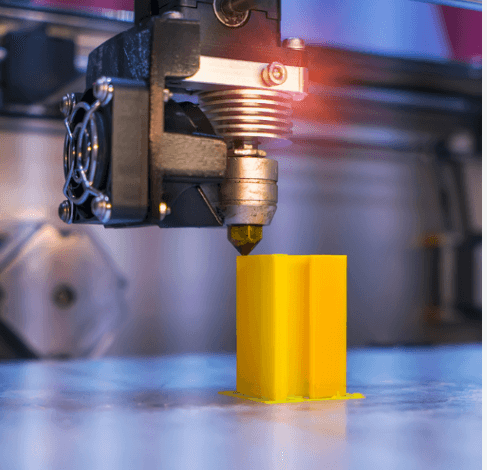
Simply put, 3D printer filament is the thermoplastic material that your Fused Deposition Modeling (FDM) 3D printer melts and extrudes layer by layer to build your three-dimensional object. These filaments typically come wound on spools and are available in a wide array of materials, colors, and diameters (most commonly 1.75mm and 2.85mm).
Why Choosing the Right Filament Matters
The filament you select plays a crucial role in determining the strength, flexibility, durability, appearance, and overall functionality of the final product. Using low-quality filament can lead to frustrating printing issues like clogging, warping, and weak parts. Investing in the right filament ensures smoother printing, better results, and ultimately, more successful and satisfying creations.



Popular 3D Printer Filament Types and Their Uses
Let’s explore some of the most common and useful 3D printer filament types:
PLA (Polylactic Acid): The Go-To for Beginners
- Pros: PLA is biodegradable, relatively inexpensive, easy to print with low warping, and comes in a vast spectrum of colors. It’s a great starting point for beginners and ideal for aesthetic prints, prototypes, and educational projects.
- Cons: PLA is not as strong or heat-resistant as some other filaments, making it less suitable for functional parts that will experience stress or high temperatures.
- Common Uses: Decorative items, figurines, architectural models, educational tools.
ABS (Acrylonitrile Butadiene Styrene): Durable and Functional
- Pros: ABS is known for its strength, impact resistance, and higher temperature tolerance compared to PLA. It’s often used for functional parts and engineering applications.
- Cons: ABS can be more challenging to print due to its higher tendency to warp and requires a heated bed and often an enclosed printer for best results. It also emits fumes during printing.
- Common Uses: Mechanical parts, gears, enclosures, automotive components.
PETG (Polyethylene Terephthalate Glycol-modified): The Best of Both Worlds?
- Pros: PETG offers a good balance of strength, flexibility, and ease of printing. It has better layer adhesion than PLA and is more durable and temperature-resistant. It also has low warping and good chemical resistance.
- Cons: PETG can be slightly stringy during printing and may require careful retraction settings.
- Common Uses: Functional parts, bottles, containers, protective cases.
Flexible Filaments (TPU/TPE): For Bendable Creations
- Pros: Thermoplastic Polyurethane (TPU) and Thermoplastic Elastomer (TPE) filaments allow you to print flexible and elastic objects. They provide exceptional impact resistance and vibration absorption.
- Cons: Flexible filaments can be challenging to print, often requiring slower speeds and direct drive extruders to prevent buckling.
- Common Uses: Phone cases, gaskets, seals, wearable technology.
Specialty Filaments: Expanding the Possibilities
The world of 3D printing is constantly evolving, leading to a wide range of specialty filaments with unique properties and aesthetics. These include:
- Carbon Fiber Infused: Offers increased strength and stiffness.
- Wood-Filled: Creates prints with a wood-like appearance and texture.
- Metal-Filled: Allows for printing objects that can be polished to resemble metal.
- Glow-in-the-Dark: It contains phosphorescent particles that cause prints to glow in the dark.
- Nylon: A strong and durable filament with good chemical resistance.
- Polycarbonate (PC): Extremely strong and heat-resistant, but can be difficult to print.
Key Considerations When Choosing Filament
Beyond the material type, several other factors influence your filament choice:
- Diameter: Ensure the filament diameter (typically 1.75mm or 2.85mm) is compatible with your 3D printer.
- Print Temperature: Each filament has an optimal printing temperature range. Check your printer’s capabilities and the filament manufacturer’s recommendations.
- Heated Bed Temperature: Some filaments, like ABS, require a heated bed to prevent warping.
- Intended Use: Consider the functional requirements of your printed object when selecting a filament.
- Budget: Filament prices can vary significantly depending on the material and brand.
Conclusion: Unlock Your 3D Printing Potential with the Right Filament
Choosing the right 3D printer filament is a fundamental step towards achieving successful and high-quality prints. By gaining insight into the properties and applications of various filament types, you can fully harness the potential of your creations 3D printer and bring your creative visions to life. Experiment with different materials to discover what works best for your projects and continue to explore the exciting possibilities that 3D printing offers!