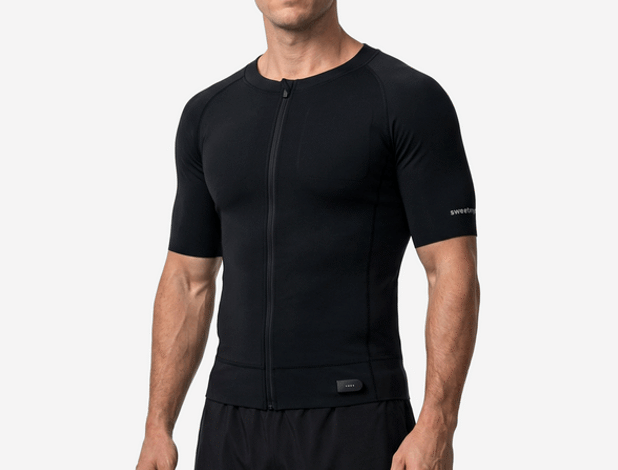
Every endurance athlete knows the frustration of hitting a plateau. You’ve logged countless miles, optimized your nutrition, and refined your recovery protocols, yet your performance gains have stalled. When traditional training methods reach their limits, athletes increasingly turn to innovative technologies to break through barriers. One such technology gaining serious traction in the endurance community is the electrical muscle stimulation machine—a device that delivers targeted electrical impulses to activate muscles in ways conventional training simply cannot replicate.
But can EMS truly elevate your endurance performance, or is it just another overhyped fitness gadget? In this article, we’ll explore the science behind electrical muscle stimulation, examine its proven benefits for endurance athletes, and provide a practical roadmap for integrating EMS into your training regimen. We’ll also cover what to look for when selecting equipment and address common safety concerns, giving you everything you need to make an informed decision about whether EMS deserves a place in your training toolkit.
Understanding Electrical Muscle Stimulation and Its Role in Endurance Training
An electrical muscle stimulation machine is a device that sends controlled electrical impulses through electrodes placed on the skin, causing targeted muscles to contract without voluntary effort. These impulses mimic the action potentials that originate from the central nervous system, effectively forcing muscle fibers to activate in patterns that complement traditional exercise. The technology isn’t new—EMS was first developed in the 1960s for rehabilitating injured Soviet athletes and has since evolved from bulky clinical equipment into sophisticated, portable systems used by elite competitors worldwide.




For endurance athletes, the relevance of EMS lies in its ability to enhance training without adding mechanical stress to joints and connective tissues. Running, cycling, and swimming place repetitive loads on the body, and there’s a ceiling to how much volume an athlete can safely accumulate. EMS bridges this gap by providing supplemental muscle activation that strengthens supporting structures, improves neuromuscular coordination, and accelerates adaptation—all while the athlete remains in a low-impact or even resting state. Modern advancements have introduced programmable protocols specifically designed around endurance goals, making today’s electrical muscle stimulation machines far more targeted and effective than their predecessors.
The Science Behind EMS for Enhancing Athletic Endurance
Targeting Deep Muscle Layers for Optimal Performance
During voluntary exercise, the body recruits muscle fibers in a predictable pattern—slow-twitch fibers activate first, with fast-twitch fibers joining only under heavy loads. An electrical muscle stimulation machine bypasses this hierarchy, simultaneously engaging superficial and deep muscle layers that athletes rarely access through conventional endurance training. This non-selective recruitment pattern forces stabilizing muscles and dormant fiber populations to contract, improving overall muscle fiber efficiency and neuromuscular coordination. Over time, this enhanced recruitment translates to more powerful, fatigue-resistant contractions during prolonged efforts like marathons or century rides.
EMS and Metabolic Adaptations for Long-Term Endurance
Research demonstrates that consistent EMS application triggers meaningful metabolic adaptations beyond simple muscle strengthening. Low-frequency stimulation protocols promote mitochondrial biogenesis and capillary density improvements within targeted muscles, directly enhancing aerobic capacity. Studies published in the Journal of Strength and Conditioning Research have shown that athletes combining EMS with traditional training experienced reduced lactate accumulation during sustained efforts, effectively delaying fatigue onset. Additionally, EMS-induced contractions increase local blood flow and oxygen delivery, accelerating the clearance of metabolic byproducts and supporting faster recovery between high-intensity sessions.

Key Benefits of Professional-Grade Muscle Stimulation for Athletes
Professional-grade muscle stimulation offers endurance athletes a multifaceted training advantage that extends well beyond what basic consumer devices can deliver. The most immediate benefit is enhanced core conditioning—EMS activates deep stabilizing muscles throughout the trunk, pelvis, and hips that are essential for maintaining efficient form during long runs, rides, or swims. When these muscles fatigue, technique deteriorates and injury risk climbs. Regular EMS sessions build resilience in these critical areas, helping athletes sustain proper biomechanics even in the final miles of a race.
Injury prevention represents another compelling advantage. Endurance sports create muscular imbalances over time, as dominant movement patterns overload certain muscle groups while neglecting others. Professional-grade muscle stimulation addresses these asymmetries by targeting underactive muscles directly, restoring balance across joints and reducing the strain that leads to overuse injuries like IT band syndrome or Achilles tendinopathy. Athletes who incorporate EMS into their routines consistently report fewer training interruptions due to nagging injuries.
Recovery is where EMS truly shines as a practical tool. Low-intensity stimulation protocols increase circulation to damaged tissues, flush inflammatory markers, and reduce delayed-onset muscle soreness following demanding sessions. Rather than sitting idle on rest days, athletes can use EMS to actively promote muscle repair while keeping mechanical stress at zero. This accelerated recovery cycle means athletes return to quality training sooner, compounding fitness gains across weeks and months of structured preparation.
How to Integrate EMS into Your Endurance Training Regimen: A Step-by-Step Guide
Step 1: Assessing Your Training Goals and EMS Suitability
Before investing in EMS, honestly evaluate where your endurance performance falls short. Are you struggling with late-race fatigue, recurring injuries, or slow recovery between sessions? Identifying specific weaknesses helps you determine whether EMS can fill those gaps and which muscle groups should receive priority attention.
Step 2: Setting Up EMS Sessions for Core Conditioning and Endurance
Start with two to three EMS sessions per week, each lasting 20 to 30 minutes, scheduled on easy training days or immediately after key workouts. For core conditioning, place electrodes on the deep abdominal muscles, obliques, and glute complex—areas that stabilize your pelvis during running and cycling. Use low-frequency settings (below 10 Hz) for endurance-focused protocols that build slow-twitch fiber resilience, and moderate frequencies (20–50 Hz) when targeting strength deficits. Always begin at lower intensities and increase gradually across sessions as your muscles adapt to the electrical stimulus.
Step 3: Leveraging AI Coach Features for Personalized Training
Many modern electrical muscle stimulation machines now incorporate AI coach functionality that transforms generic protocols into individualized training plans. Devices like those from sweetmyo analyze your muscle response patterns in real time, automatically adjusting pulse width, frequency, and intensity to match your current fitness level and fatigue state. The AI coach learns from each session, progressively challenging you as adaptation occurs while preventing overstimulation. This data-driven approach removes guesswork from EMS programming and ensures that every session aligns with your evolving endurance goals, making the technology accessible even to athletes without specialized coaching support.
Step 4: Monitoring Progress and Adjusting for Recovery
Track measurable endurance markers—such as heart rate at threshold pace, time-to-exhaustion, and perceived exertion—every four to six weeks. On recovery days, switch to gentle, low-frequency EMS protocols designed to boost circulation and reduce soreness, ensuring your body rebuilds effectively between demanding training blocks.
See also: Lightweight Helmet Mounted Sight with Extended Battery Life
Choosing the Right Electrical Muscle Stimulation Machine: Features to Look For
Selecting the right electrical muscle stimulation machine can make the difference between meaningful performance gains and a frustrating experience that gathers dust in your closet. The first consideration should be device quality and build—professional-grade muscle stimulation equipment uses medical-grade electrodes, delivers consistent waveforms, and offers the durability required for daily athletic use. Look for devices that carry recognized safety certifications, such as FDA clearance or CE marking, which confirm the unit meets rigorous standards for electrical output and user protection.
Versatility matters enormously for endurance athletes. The ideal machine should offer multiple programmable channels and a wide frequency range, allowing you to switch seamlessly between strength-building protocols, endurance-specific low-frequency sessions, and gentle recovery programs. Devices with built-in AI coach functionality deserve special attention, as they eliminate the complexity of manual programming by adapting stimulation parameters to your real-time muscle responses and long-term progress. This intelligent automation ensures each session remains optimally challenging without risking overstimulation. Finally, consider portability and battery life—endurance athletes travel for races and training camps, so a compact, wireless-capable unit that integrates with your existing training apps will see far more consistent use than a cumbersome system tethered to a wall outlet.
Common Myths, Safety Considerations, and Best Practices
Despite growing evidence supporting EMS for endurance athletes, misconceptions persist. The most common myth is that EMS can replace traditional training entirely—it cannot. EMS works best as a supplement that enhances conventional workouts, not a substitute for sport-specific mileage and intensity. Another misconception is that higher stimulation intensity always produces better results, when in reality excessive intensity causes unnecessary discomfort and can lead to muscle damage or rhabdomyolysis in extreme cases. Safe application starts with consulting a physician if you have cardiac conditions, implanted devices, or epilepsy, as electrical stimulation is contraindicated for these populations. Always follow manufacturer guidelines for electrode placement, keep skin clean and dry beneath pads, and never apply EMS over open wounds or inflamed tissue. For best practices, limit strength-focused EMS sessions to three times per week with at least 48 hours between intense stimulations of the same muscle group, and hydrate thoroughly before and after each session to support muscle function and recovery.
Using EMS Strategically to Break Through Endurance Plateaus
Electrical muscle stimulation has moved well beyond its rehabilitation origins to become a legitimate performance tool for endurance athletes seeking every available advantage. As we’ve explored, the science supports its ability to recruit deep muscle fibers that conventional training overlooks, trigger metabolic adaptations like mitochondrial growth and improved capillary density, and meaningfully reduce recovery time between demanding sessions. Professional-grade muscle stimulation offers targeted benefits including stronger core conditioning, fewer overuse injuries, and accelerated tissue repair—advantages that compound over months of consistent use.
The practical integration of EMS into a structured training plan doesn’t require guesswork, especially with modern AI coach technology that personalizes stimulation parameters to your fitness level and adapts as you progress. However, success depends on treating EMS as a complement to your sport-specific training rather than a replacement for it. Start conservatively, track your endurance markers, and adjust protocols based on measurable outcomes. Before beginning any EMS program, consult with a sports medicine professional to ensure the technology aligns with your individual health profile. When used responsibly and strategically, an electrical muscle stimulation machine can be the catalyst that helps you push past plateaus and reach the next level of endurance performance.