It’s 3 a.m. and you’re jolted awake by the unmistakable scrape of litter being kicked across plastic, followed by the pungent wave that drifts down the hallway. Your cat has made her nightly visit, and now you’re lying wide-eyed, wondering if there’s a better way. For millions of cat owners, this is not an occasional nuisance — it’s a nightly ritual that quietly chips away at sleep quality.
The choice between a manual and an automatic litter box might seem like a minor household decision, but for light sleepers and busy pet parents, it carries real consequences. Manual boxes demand daily scooping, constant odor management, and tolerance for the sounds that come with them. Automatic litter boxes promise something different: self-cleaning cycles, quiet operation, and a hands-off routine that fits modern lifestyles.
If you’ve ever sacrificed sleep over litter box maintenance, this comparison is for you. Which option truly delivers the convenience, cleanliness, and nighttime peace cat owners need? Let’s find out.




The Sleep Disruption Dilemma: Why Cat Owners Lose Rest Over Litter Boxes
Sleep scientists consistently link nighttime disruptions — even brief ones — to reduced cognitive performance, mood instability, and long-term health consequences. For cat owners, litter boxes are a surprisingly common culprit. The scratching, digging, and odor that accompany a cat’s midnight bathroom visit can pull even deep sleepers out of restorative rest cycles, leaving them groggy and frustrated by morning.
Traditional litter maintenance compounds the problem. Daily scooping can’t always happen at convenient times, meaning odors build overnight and litter tracking spreads beyond the box. Cats are naturally nocturnal, so their most active bathroom hours often coincide with the hours humans need most for sleep. The result is a quiet but persistent conflict between your cat’s biology and your need for uninterrupted rest.
This is precisely where the conversation around automatic litter boxes becomes relevant. Designed with quiet operation and self-cleaning cycles in mind, these systems address the core issues that make traditional boxes so disruptive at night. Rather than waking up to manage odor or endure the sounds of litter being scattered, cat owners can sleep through their pet’s routine entirely. Understanding the difference between manual and automatic options — and what each truly costs in terms of sleep — is the first step toward making a genuinely informed choice for your household.
Manual Litter Boxes: Assessing the Sleep Costs of Traditional Care
Living with a manual litter box means committing to a daily routine that rarely fits neatly into anyone’s schedule. Scooping needs to happen at least once a day — ideally twice — to keep odors manageable and maintain a clean surface your cat will actually use. Miss a session, and the consequences compound quickly: stronger ammonia smells, litter tracked across floors, and a cat who may start avoiding the box altogether. For busy households, this level of upkeep is a constant low-grade stressor.
The sounds alone are enough to disrupt a light sleeper. When a cat digs, scratches, and kicks litter against the walls of a plastic box at 2 a.m., the noise travels. Thin walls and open floor plans make it worse. Even the act of scooping — if you’re doing it early in the morning before others wake — creates its own disruption. The scraping of a scoop against plastic, the thud of clumps dropping into a bag, none of it is quiet.
Odor management is the other persistent challenge. Even with daily scooping, traditional litter boxes release ammonia and bacterial odors between cleanings. Overnight, when ventilation is reduced and the household is still, these smells become more noticeable. Some owners resort to placing the box in a distant room or bathroom, which helps with odor but does nothing to eliminate the noise of a cat using it at night. Carbon filters and baking soda additives offer partial relief but require regular replacement to remain effective. Ultimately, manual boxes demand ongoing attention that automatic systems are specifically designed to eliminate — and that ongoing attention has a measurable cost on sleep.
Automatic Litter Boxes: How Self-Cleaning Technology Promotes Peaceful Sleep
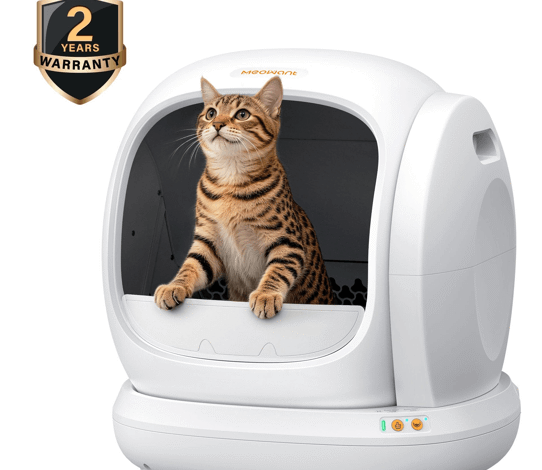
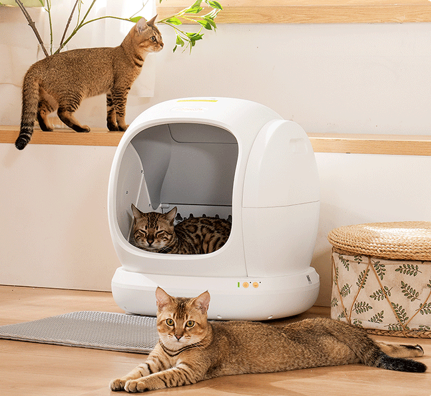
Automatic litter boxes represent a genuine shift in how cat ownership intersects with daily — and nightly — life. Rather than relying on a human to scoop at regular intervals, these systems use sensors, timers, and rotating or raking mechanisms to clean the box shortly after each use. Waste is separated from clean litter and deposited into a sealed compartment, cutting off the primary source of odor before it has a chance to spread. For cat owners who’ve spent years managing the smell and mess of a traditional box, this alone is a significant upgrade.
The sleep benefits are direct. Because the cleaning cycle runs automatically, there’s no early-morning scooping routine to wake a household. Odor is contained at the source rather than building overnight, which means the air quality in your home stays noticeably fresher by morning. Many models are also designed with nighttime use in mind, running their cycles quietly enough that even light sleepers won’t be disturbed. The combination of odor control and low-noise operation addresses the two biggest litter-related sleep disruptors at once.
Advanced odor control systems in modern automatic boxes go beyond simple waste removal. Many units incorporate carbon filters, sealed waste drawers, or even ionization technology to neutralize ammonia and bacterial odors continuously. Brands like Meowant have developed models that allow owners to schedule cleaning cycles during daytime hours, so the system isn’t running at all during peak sleep windows.
Understanding Self-Cleaning Mechanisms and Automatic Cat Litter Systems
Most automatic litter boxes rely on one of two core mechanisms: a rotating globe that sifts waste into a lower compartment, or a motorized rake that sweeps clumps into a sealed drawer. Both systems are triggered by motion sensors that detect when a cat has finished using the box, then initiate a timed cleaning delay — typically five to thirty minutes — before activating. This delay ensures the cat has fully exited before any movement begins, making the process both safe and unobtrusive for the animal and the household.
Key Features to Evaluate for a Quiet and Efficient Automatic Litter Box
Not all automatic litter boxes deliver the same experience, and choosing the wrong model can leave you with a system that’s louder, messier, or more complicated than the manual box it replaced. When evaluating options, four features deserve the closest attention: noise level during cleaning cycles, the reliability of the self-cleaning mechanism, the quality of the odor control system, and overall ease of daily maintenance.
Odor control deserves particular scrutiny. Look for models with sealed waste compartments rather than open collection trays, since sealing waste is what actually prevents ammonia from escaping between emptying cycles. Advanced odor control systems that incorporate carbon filters or antimicrobial liners offer a meaningful advantage over basic designs, especially in smaller spaces where smells concentrate quickly. Check how often filters need replacing — a system with high ongoing maintenance costs in time or money can undercut the convenience it promises.
Ease of use matters more than most buyers anticipate. A box that requires complicated disassembly for weekly cleaning, or one with proprietary waste bags that are difficult to source, adds friction back into a routine you’re trying to simplify. Prioritize models with removable waste drawers, straightforward app controls if applicable, and cleaning cycles you can schedule around your sleep window rather than the other way around.
Why Quiet Operation is Essential for Nighttime Peace
A self-cleaning cycle that runs at 3 a.m. and sounds like a small appliance defeats the purpose entirely. Look for models with verified low decibel ratings — ideally under 40 dB during operation — and read user reviews specifically mentioning nighttime use. Motor quality and housing design vary significantly between brands, and real-world noise levels often differ from manufacturer claims.
Practical Steps to Switch to an Automatic Litter Box for Better Sleep
Transitioning from a manual box to an automatic one goes smoothly when you approach it methodically. Start by researching models that match your space and your cat’s size, paying close attention to noise ratings and waste compartment design. Once you’ve selected a unit, place it next to the existing manual box rather than replacing it immediately — cats are creatures of habit, and a side-by-side introduction gives them time to investigate the new box on their own terms without feeling forced.
During the first week, keep the manual box available while encouraging your cat toward the automatic one by placing a small amount of used litter inside it. This familiar scent signals safety. Once your cat is using the new box consistently, remove the manual box entirely. Configure the cleaning cycle schedule through the app or timer settings to run during daytime hours — mid-morning and early afternoon work well — so the system stays dormant during your sleep window. Finally, establish a weekly maintenance routine: empty the waste drawer, rinse the interior, and replace filters on schedule. A well-maintained automatic box rewards you with quieter nights and a noticeably fresher home from the very first week.
See also: About Datrihelminen Life
Smarter Litter Box Choices for Better Sleep and Daily Life
The comparison between manual and automatic litter boxes ultimately comes down to one question: how much is uninterrupted sleep worth to you? Manual boxes are familiar and inexpensive upfront, but they carry hidden costs — daily scooping obligations, persistent overnight odors, and the noise of a cat using a plastic box at 2 a.m. These aren’t minor inconveniences. Over time, they accumulate into a pattern of broken rest that affects your mood, focus, and overall wellbeing.
Automatic litter boxes address these problems directly. Self-cleaning cycles eliminate the need for daily scooping, sealed waste compartments contain odors before they spread, and quiet operation means your cat’s midnight bathroom visit no longer has to become yours. When you schedule cleaning cycles for daytime hours and maintain the system consistently, the difference in nighttime peace is immediate and noticeable.
For cat owners who have normalized losing sleep over litter box maintenance, the shift to an automatic system isn’t just a lifestyle upgrade — it’s a practical investment in rest. Choose a model with verified low noise levels, reliable odor control, and straightforward maintenance, and you’ll find that your cat’s needs and your sleep schedule no longer have to compete. Better nights start with smarter choices.