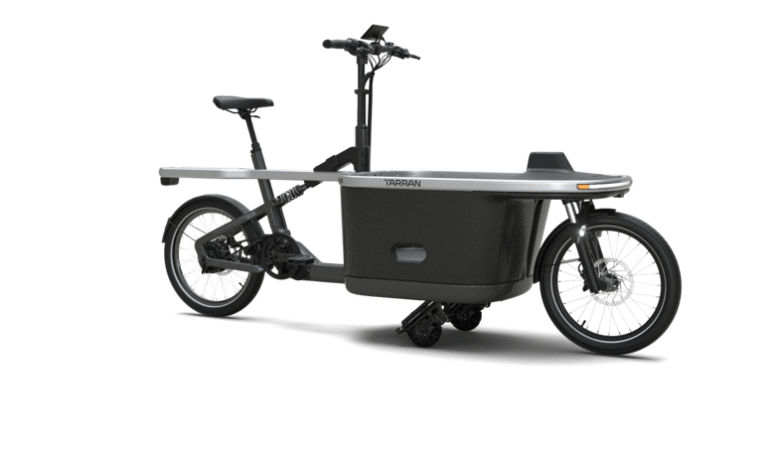
Urban streets are quietly transforming. Lastenrad e-bikes — the electric cargo bikes gaining traction across European cities and beyond — are reshaping how people move goods without relying on gas-powered vehicles. From delivering groceries to hauling equipment for small businesses, these bikes offer a compelling blend of sustainability and practicality that’s hard to ignore.
Yet many cargo bike users find themselves struggling with two surprisingly common pain points: loading their cargo box inefficiently, which leads to unstable rides and wasted space, and ignoring the wealth of performance data their bike continuously generates. Both issues quietly chip away at the full potential of what these machines can do.
This guide is built for everyday cargo bike users — whether you’re a delivery professional, a parent running errands, or a small business owner making local rounds. Here, you’ll find practical, straightforward advice on getting the most out of your cargo box setup and using speed tracking and real-time data to ride smarter, not harder. By the end, you’ll have the tools to load with confidence, ride with stability, and make data-driven decisions that improve both efficiency and safety on every trip.




Mastering the Cargo Box for Optimal Efficiency on Your Lastenrad E-Bike
Understanding Cargo Box Types and Capacities
The cargo box is the defining feature of any Lastenrad e-bike — it’s what separates a cargo bike from a standard commuter and determines how much practical work you can accomplish on each trip. Cargo boxes generally fall into two main configurations: front-loading and rear-loading. Front-loading boxes sit between the handlebars and the front wheel, offering excellent visibility of your cargo and easy access without dismounting. Rear-loading boxes mount over the back wheel, keeping the bike’s handling closer to a traditional feel since the weight sits behind the rider.
Materials matter considerably. Polyethylene and high-density plastic boxes are lightweight, weather-resistant, and easy to clean — ideal for food delivery or daily errands. Aluminum and powder-coated steel boxes offer greater durability for heavier commercial loads but add weight to the overall setup. When assessing capacity, think beyond volume. A box rated at 100 liters may carry groceries comfortably but struggle with dense, heavy tools. Match your box choice to both the volume and the weight class of what you typically transport, always staying within your bike model’s rated payload limit.
Best Practices for Loading and Securing Cargo
How you load your cargo box has a direct impact on ride stability, handling, and safety. The golden rule is to place the heaviest items low and centered in the box. This keeps the center of gravity close to the bike’s frame and prevents the unsettling side-to-side sway that comes from top-heavy loads. Lighter, bulkier items can fill the space above and around the heavier base layer.
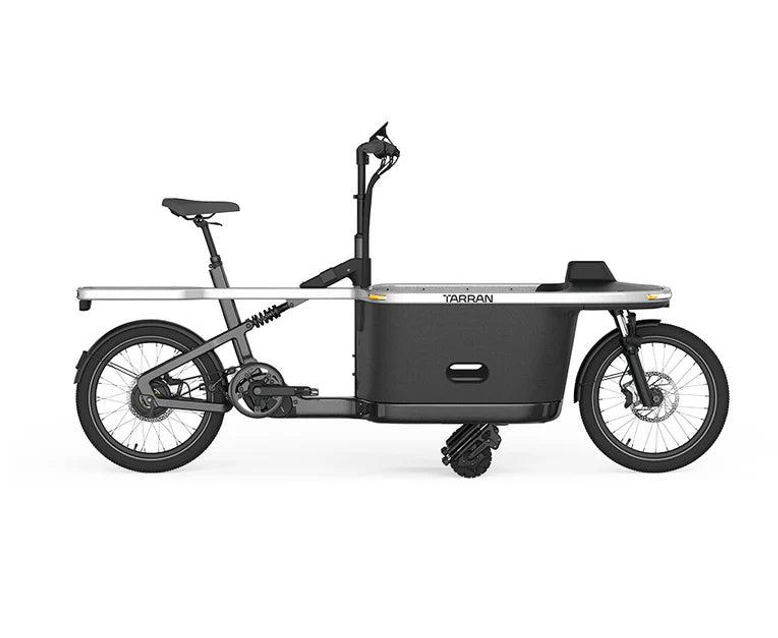
To prevent cargo from shifting during transit, use a combination of internal organizers and physical restraints. Mesh dividers or removable bins help compartmentalize loose items, while adjustable tie-down straps or bungee nets anchor larger loads against the box walls. For fragile items, foam padding or reusable packing blankets absorb vibration from uneven road surfaces. Before every ride, do a quick load check: press gently on the cargo from multiple angles to confirm nothing moves freely. Distribute weight evenly from left to right — an unbalanced load forces constant steering correction and accelerates rider fatigue, especially on longer routes.
Maintaining Your Cargo Box for Longevity
A well-maintained cargo box protects your goods and extends the useful life of one of your bike’s most important components. After each use, remove any debris, spills, or moisture from the interior. A damp cloth handles most everyday cleaning, while a mild soap solution works for stubborn residue. Avoid harsh chemical solvents, which can degrade plastic surfaces and compromise structural integrity over time.
Conduct a brief visual inspection every few weeks. Look for hairline cracks along the box corners and base, where stress from heavy loads concentrates. Check mounting hardware — bolts, brackets, and quick-release mechanisms — for looseness or corrosion, and tighten or replace as needed. Hinges and lid latches deserve particular attention since they endure repeated opening and closing; a small drop of silicone lubricant keeps them operating smoothly. If your box is exposed to prolonged sun, consider a UV-protective spray to prevent plastic from becoming brittle. Catching minor damage early is far less costly than replacing a cracked box or, worse, experiencing a mid-ride failure with a full load aboard.
Leveraging Speed Tracking and Real-Time Data for Enhanced Bike Performance
How Real-Time Data Display Works on Lastenrad E-Bikes
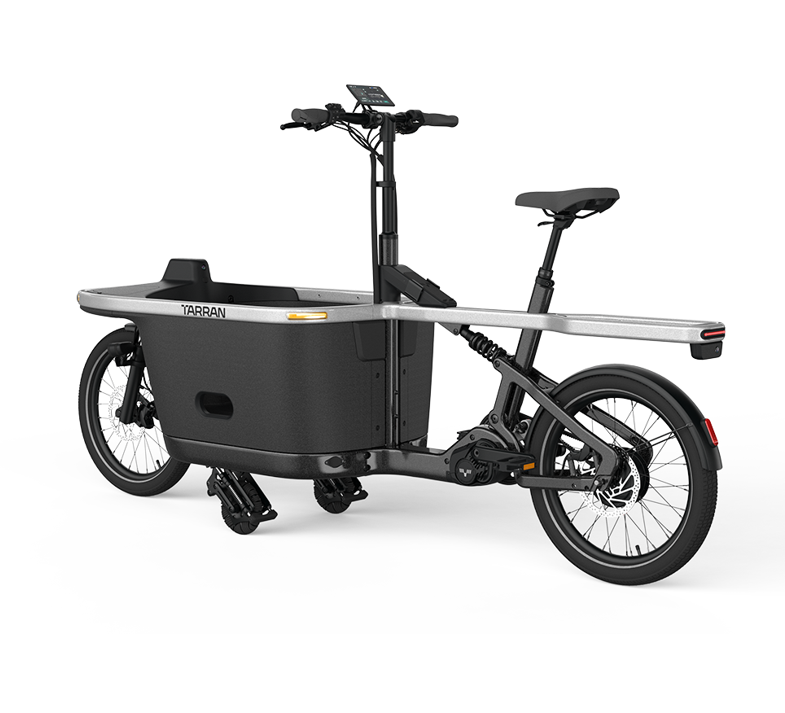
Modern Lastenrad e-bikes come equipped with integrated display systems that serve as the rider’s command center, putting critical performance information directly in the line of sight. These displays — typically mounted on the handlebar stem — vary in sophistication from simple LCD panels showing basic speed and battery level to full-color touchscreens with GPS mapping and ride history. Most mid-range and premium cargo e-bikes use systems from established manufacturers like Bosch, Shimano STEPS, or Bafang, each with its own interface logic but broadly similar core functionality. Brands such as TARRAN have built on these foundations, pairing reliable drive systems with intuitive display interfaces designed specifically for the demands of cargo riding.
Navigating these displays is straightforward once you understand the layout. A single button press cycles through screens showing current speed, average speed, trip distance, total odometer, and remaining battery range. Some systems display cadence and motor assistance level simultaneously, letting you see at a glance how hard you’re working versus how much the motor is contributing. Real-time data display refreshes continuously, meaning the bike performance metrics you see reflect what’s happening right now — not a snapshot from minutes ago. Pairing the display with a companion app via Bluetooth unlocks deeper analysis, including ride logs and battery health trends that the handlebar screen alone cannot show.
Interpreting Speed Tracking Metrics for Smarter Rides
Speed tracking on a cargo e-bike delivers more than just a number on a screen — it tells a story about how efficiently each trip is being completed. Current speed is the most immediate metric, but average speed over a trip is where the real insight lives. If your average speed on a familiar route drops noticeably, it signals something worth investigating: heavier cargo, headwinds, a tire losing pressure, or a battery that’s degrading faster than expected.
Maximum speed data helps identify where on a route you’re able to move freely versus where congestion or terrain forces slowdowns. For cargo transport efficiency, this matters because consistent low-speed sections may indicate a route worth reconsidering. Trip distance combined with battery consumption gives you an effective range-per-charge figure that becomes more accurate the more data you accumulate over repeated rides. Over time, comparing these numbers across different load weights reveals something practically useful: exactly how much carrying a full cargo box versus a partial load affects your real-world range. That knowledge lets you plan longer delivery circuits with genuine confidence rather than guesswork, and it prevents the frustrating experience of running low on battery mid-route.
See also: Securing Your Future: Understanding Life Insurance in Australia
Using Data to Improve Bike Performance and Safety
Translating data into action is where speed tracking moves from interesting to genuinely valuable. Start by reviewing your average speed and battery consumption after each ride for a week. You’ll quickly identify which routes drain the battery disproportionately — often those with sustained climbs or frequent stop-and-go traffic — and can adjust either the route or the assistance level accordingly. Dropping from the highest assistance mode to a mid-level setting on flat stretches, for instance, can meaningfully extend range without slowing your overall pace.
From a safety standpoint, monitoring speed relative to your cargo load is critical. A fully loaded cargo box raises the bike’s center of gravity and increases braking distance. If your display shows you consistently hitting higher speeds on downhill sections with heavy loads, that’s a clear prompt to consciously reduce speed before descents rather than relying on reactive braking. Battery level monitoring adds another safety layer — riding with a critically low battery in an unfamiliar area creates real risk. Set a personal rule to begin heading back or toward a charging point once the battery drops to 20 percent. These small, data-informed habits compound into significantly safer and more efficient cargo riding over time.
Smarter Cargo Riding Starts with the Right Habits
Getting the most from a Lastenrad e-bike comes down to two fundamentals that this guide has walked through in detail: loading your cargo box with intention and letting real-time data shape how you ride. A well-chosen box, loaded with weight distributed low and center, secured against shifting, and kept in good repair, transforms every trip from a guessing game into a reliable operation. Pair that with consistent attention to speed tracking, battery consumption, and route performance, and you’re no longer just riding — you’re making informed decisions that compound into real efficiency gains over time.
For delivery professionals, the payoff is fewer mid-route surprises and more trips completed confidently. For parents and everyday users, it means safer handling and less physical strain. For small business owners, it translates directly into time and energy saved on local rounds.
Start small: apply one loading improvement on your next ride, then spend a week reviewing your average speed and battery data after each trip. The habits build quickly. As Lastenrad e-bikes continue evolving — with smarter displays, deeper app integration, and more capable assist systems — riders who already understand how to use these tools will be best positioned to benefit from whatever comes next.