Zero Trust is one of the most trending terms in the field of cybersecurity. Why? In today’s landscape, people expect direct access to resources from anywhere, at any time. Of course, this dynamic can put network security at risk. Zero Trust Architecture enables this transition without compromising safety.
What is Zero Trust Architecture?
Zero Trust is a strategic initiative designed to prevent data breaches, based on the principle of “Never trust, always verify.” What does that mean? It implies that no user or device, whether inside or outside a company’s network, should have access to systems or IT workloads unless explicitly required.
In other words, it’s like a built-in watermark of security that demands all users be continuously authenticated, authorized, and validated before being granted access to applications and network data. It doesn’t matter if they’ve accessed the network before or how many times they’ve done it—their identity must be reverified each time.



What are the key components of Zero Trust Architecture?
A comprehensive Zero Trust Architecture encompasses users, applications, and infrastructure.
Users: Verifying user identity, enforcing least-privilege access, and checking device integrity are essential parts of the Zero Trust model.
Applications: Under Zero Trust, applications are not inherently trusted. Therefore, continuous monitoring is necessary to validate their behavior. Applying Zero Trust to applications eliminates implicit trust among components when they interact.
Infrastructure: Zero Trust covers all security aspects related to infrastructure—routers, switches, cloud environments, IoT devices, and the supply chain.
See also: The Role of Material Science in Shaping the Future of Print
What are the three core principles of Zero Trust?

Continuous monitoring and verification
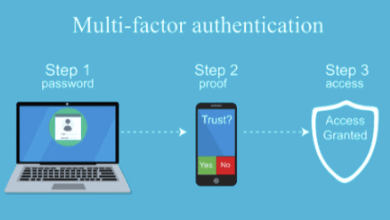
All resource usage must be monitored to detect abnormal behavior, and user authenticity must be constantly verified. Multifactor authentication, device health checks, and application whitelisting are recommended to confirm user identity, device status, and app integrity.
Least-privilege access
The least-privilege principle restricts user access only to the data, applications, and services needed to perform authorized tasks. Following this rule helps reduce the risk or potential damage caused by internal threats or compromised accounts.
Assume breach
Zero Trust assumes that breaches are inevitable and that threats may exist both inside and outside an organization’s network perimeter. It aims to minimize the impact of a breach and implement strong response and recovery protocols.
Benefits of Zero Trust Architecture
Companies that implement Zero Trust benefit from a more secure and flexible environment, lowering the risk of attacks and ensuring comprehensive protection. Some key benefits for optimized network security management include: (2)
Reduced risk: The default access setting in a Zero Trust environment is “deny.” As a result, the attack surface is minimized, reducing internal and external threat exposure.
Improved visibility: ZTA allows companies to closely monitor all users and devices on the network. Because it relies on continuous logging and monitoring, it helps detect and respond to threats more effectively.
Support for remote work and cloud environments: Adopting Zero Trust makes it possible to securely support remote teams and partners operating in multi-cloud environments. Users can access the data and systems they need without exposing them to cyberattacks.
Reduced insider threats: Zero Trust significantly lowers the potential for insider threats by preventing lateral movement across the network, which would otherwise expose resources to malicious activity.
How to implement a Zero Trust Architecture

Zero Trust is often seen as costly and complex. However, it can be implemented within existing infrastructures, allowing companies to reuse current technologies and cut costs. Here’s a five-step approach to get started: (3)
Identify assets
The first step is to create a full inventory of all assets—on-premises and cloud-based—to assess their value and vulnerabilities.
Verify devices and users
Every user and device must be verified. This can be done through multifactor authentication, embedded device chips, and behavioral analysis for IoT devices.
Map workflows
This crucial step is the backbone of Zero Trust. It involves defining who accesses which assets, when they can access them, and why access is necessary. Accurate mapping is vital for success.
Define and automate policies
Authentication policies should be designed around user roles and workflows, taking into account metadata and contextual information.
Test, monitor, and maintain
Security teams must constantly monitor user behavior to detect anomalies that may indicate a breach. Systems should be regularly updated to ensure maximum security and performance.
Where Are the Limitations in Zero Trust Architecture?
Zero Trust is a strong model, but there are certain areas where most security professionals encounter difficulties during implementation. The most common are:
Complexity
To implement a Zero Trust architecture, organizations need to have a comprehensive view of their data and workflows. The current challenge lies in the fact that data is everywhere. Mapping these connections requires time, technology, and personnel.
Operational Challenges
Continuous verification can disrupt workflows and slow down processes. Employees need access to systems and assets to perform their tasks. Obstacles and delays can reduce productivity and eventually impact revenue.
Employee Resistance
Employees may find it difficult to adapt to Zero Trust, mainly because access is tied to their job role. It can be frustrating for them to be denied access when their responsibilities depend on it.
The future of Zero Trust Architecture
Organizations must reassess their entire security strategy to face modern cyber threats and challenges. Once implemented, Zero Trust not only strengthens security but also improves scalability and readiness for future threats.
Today’s dynamic environments, remote work, and cloud infrastructures challenge traditional security models. Network-centric strategies are no longer effective enough to mitigate modern cybersecurity risks.
Zero Trust solutions provide users with secure access to applications, protecting private apps and sensitive data from breaches or misuse—an essential requirement in a constantly evolving security landscape.
(1) What is a Zero Trust Architecture?
(2) Zero Trust Architecture – Crowdstrike
What is a Zero Trust Architecture?
(3) What is a Zero Trust Architecture?- Agencia de Ciberseguridad y Seguridad de Infraestructura de EE. UU