The question “what are suction cups used for?” often comes up when exploring how industries handle delicate or smooth materials efficiently. Suction cups securely grip surfaces, playing a key role in automation and manufacturing. From lifting glass panels and moving electronic components to assisting in assembly lines, their versatility makes them indispensable in both industrial and everyday applications. In this article, we’ll explore the common uses of suction cups, how they work, and why they’re essential tools in modern production systems.
How Suction Cups Work
A vacuum suction cup sticks to surfaces by creating a pressure difference. Pressing it pushes air out, forming a low-pressure area inside the cup. The higher air pressure outside then presses the cup tightly against the surface, keeping it in place. Soft materials like rubber or silicone work best on smooth, clean surfaces, while rough, dirty, or wet surfaces hold less. The bigger the cup and the stronger the pressure difference, the more weight it can hold.
How Strong Can It Hold
The force holding a suction cup is:



AF=ΔP×A
Where:
- F = holding force.
- ΔP = pressure difference between the air outside and inside the cup.
- A = area of the cup touching the surface.
Material and Surface Matters
- Soft, flexible materials like rubber or silicone work best because they fit snugly over tiny bumps on the surface.
- Smooth, non-porous surfaces (glass, polished metal) give the strongest grip.
- Rough, dirty, wet, or porous surfaces let air leak in, so the cup can’t hold as well.
Limitations
- Suction cups don’t work in space because there’s no outside air pressure.
- Heat or cold can make the cup too stiff or too soft, affecting grip.
- Dirt or an uneven surface can break the seal.
Understanding these basics helps you pick the right suction cup for the job and use it safely and effectively.
Applications in Manufacturing and Automation
Vacuum technology is commonly used in manufacturing and automation to improve precision, speed, safety, and efficiency. Key applications include:
- Material Handling & Robotics: Robots equipped with vacuum grippers can safely lift and transport objects, minimizing damage and accelerating automation.
- Packaging & Logistics: Vacuum technology enables precise pick-and-place operations and vacuum sealing, preserving product quality and extending shelf life.
- Electronics & Semiconductor Manufacturing: Vacuums keep environments clean and free from contamination, ensuring precise assembly of wafers, thin films, and displays.
- Metalworking & Fabrication: Vacuum systems safely handle metal sheets and support processes such as coating, plating, and surface treatments.
- Woodworking & Panel Handling: Suction cups allow efficient handling of panels, including MDF and plywood, even on uneven surfaces, streamlining workflow.
- Surface Coating & Processing: Vacuums help apply coatings evenly and speed up drying, curing, and laminating processes.
Benefits of Manufacturing and Automation
- Precise, non-contact handling of materials.
- Increased production speed and efficiency.
- Reduced product damage and scrap.
- Safer work environment and less manual labor.
Vacuum technology makes production faster, safer, and more efficient, playing a key role in modern manufacturing and automation.
Applications in the Packaging Industry
Vacuum technology plays a crucial role in modern packaging processes, improving product protection, efficiency, and shelf life. Key applications include:
- Vacuum Packaging: Removes air to prevent spoilage, extend shelf life, and protect sensitive products.
- Forming and Filling: Shapes packaging and fills products accurately, reducing waste.
- Sealing and Holding: Ensures tight seals to maintain hygiene and prevent leaks or contamination.
- Pick-and-Place Automation: Uses vacuum grippers to move items quickly and precisely, reducing manual work.
- Degassing and Stabilization: Removes trapped air or gases to maintain consistent product quality.
Benefits of Packaging
- Protects products from damage and contamination.
- Enhances production speed and automation efficiency.
- Reduces waste and maintains consistent quality.
Vacuum technology helps the packaging industry achieve safer, cleaner, and more efficient processes, supporting both product quality and operational productivity.
See also: Exploring Emerging Tech Trends 2629487300
Applications in Electronics and Semiconductor Industries
Vacuum technology is essential in electronics and semiconductor manufacturing, enabling precise, clean, and high-quality processes. Key applications include:
- Semiconductor Fabrication: Vacuum systems enable precise wafer processing, pattern etching, and material deposition while keeping components clean and free from contamination.
- Thin-Film Deposition: Techniques such as Chemical Vapor Deposition (CVD) and Physical Vapor Deposition (PVD) rely on a vacuum to produce uniform, high-quality films for chips, solar panels, and displays.
- Electron Microscopy & Inspection: High-vacuum environments allow electron microscopes to accurately analyze materials, identify defects, and ensure quality control.
- Pick-and-Place Automation: Vacuum grippers safely transport delicate parts, including microchips and circuit boards, without direct contact, boosting production efficiency.
- Vacuum Drying & Coating: Removes moisture and applies protective coatings, enhancing device performance and extending the lifespan of electronic components.
Benefits in Electronics and Semiconductor Industries
- Ensures contamination-free environments for precision manufacturing.
- Protects delicate components during handling and processing.
- Supports high-speed automation, improving productivity and efficiency.
- Vacuum technology is a cornerstone in these industries, enabling advanced manufacturing, precise inspections, and reliable product quality.
Types of Vacuum Suction Cups
- Manual Suction Cups
These are hand-operated using a lever or by pressing. They’re good for light tasks at home or small workshops, but aren’t strong enough for heavy objects.
- Pneumatic Suction Cups
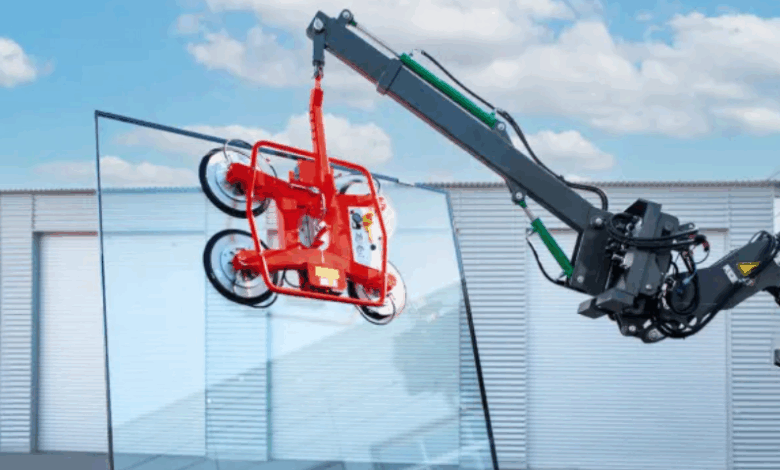
These use a vacuum pump to create strong suction, making them suitable for industrial use and lifting heavy items like glass or metal sheets.
Common types:
- Flat suction cups: For flat surfaces.
- Bellow suction cups: Flexible for uneven or curved surfaces.
- Electric Suction Cups
These are suction cups powered by electricity and integrated into automated systems. They’re designed for heavy-duty, large-scale tasks, providing strong and consistent suction. Common applications include robotics, automotive assembly, and logistics operations.
- Specialized Suction Cups
Designed for specific materials or environments.
Examples:
- Glass handling: Protects delicate surfaces.
- Wood handling: Works on porous surfaces.
- Sheet metal handling: For thin metal sheets.
- CNC machining centers: Provide precise and stable holding.
These types allow industries to handle a wide range of materials safely, efficiently, and with precision.
How to Choose the Right Vacuum Suction Cup
- Material Compatibility
Choosing the right suction cup starts with understanding the surface. Smooth, non-porous materials like glass or metal work well with standard suction cups. Porous or uneven surfaces, such as wood or cardboard, often require high-flow vacuum systems for a secure grip. Always ensure surfaces are clean and dry, as oil, dust, or moisture can reduce suction effectiveness.
- Load Weight and Size
Select a suction cup that can safely support the weight and dimensions of the object. For larger or heavier items, use multiple suction cups or choose cups with a larger diameter. This distributes the load evenly, improving stability and reducing the risk of slipping during operation.
- Working Environment
Temperature, humidity, and chemicals can impact how well a suction cup works. Heat-resistant materials like silicone are ideal for high-temperature applications, while chemical-resistant options are essential when handling corrosive substances. Matching the cup material to the working environment ensures consistent performance and durability.
- Professional Advice and Best Practices
Maintain optimal suction by keeping both the cups and surfaces clean. Avoid placing suction cups on wet, oily, or dirty surfaces to prevent slippage. For specialized applications or unique requirements, consult manufacturers or industry experts. Their guidance can help you select the right suction cup and implement proper maintenance routines for reliable long-term performance.