Scars are more than a physical sign because they affect self-image in some cases, particularly when placed over other visible parts of the body, like the face. Conventional treatment methods like creams or home solutions are sometimes ineffective, and people tend to look elsewhere to get a better cure. Laser skin resurfacing of scars is one of the latest techniques that has received much attention; this treatment aims to improve the skin texture and give it a smoother look. This method has now become an effective alternative to those who want a lasting solution rather than a short-term one.
Knowledge About Skin Scars and Their Effect
Scars are normal processes of healing that can be seen in the body; however, their appearances and texture can differ depending on the kind and depth of skin injury. The effects of acne, surgery, a burn, or an injury are usually visible, with the marks not disappearing easily. Some scars may become soft with time, but some may not and can influence a person’s feelings towards their appearance. The emotional issues that can include low self-confidence or social anxiety are prevalent in the community that tackles the noticeable scars. This is why medical innovations have been aimed at developing specific therapies to cure these fears.
What is Laser Skin Resurfacing?
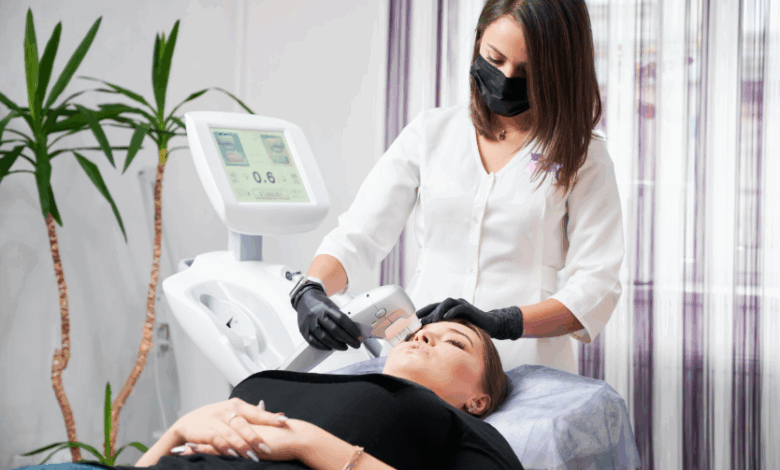
Laser skin resurfacing is a cosmetic surgery which involves the application of focused beams of light to the damaged layers of the skin to induce the growth of new cells. The technology is based on the principle of accurately hitting certain skin tissues, which leads to the stimulation of collagen synthesis and the stimulation of a healthier and homogeneous complexion. This technique is also adaptable and may be adapted to suit the nature of the scars and the person’s skin condition. Laser-based methods, unlike the traditional methods, are aimed at the surface and the deepest skin layers to provide more holistic results.




Laser Technology and Its Use With Scars
Laser resurfacing is based on science, which deals with precision. The device produces regulated waves of light energy that diffuse through the layers of skin. A laser is able to destroy scar tissue; at the same time, it stimulates the body’s natural healing process. A protein called collagen, known to maintain skin elasticity and structure, is produced, and it smooths the skin and eliminates wrinkles over time. Gradually, the scars fade, the skin loses its unequal character.
Laser Resurfacing Procedures
Laser resurfacing has many methods available, and the decision should be based on the type of scar and the state of the skin:
- Ablative Lasers: These cause the epidermis to peel off, leaving behind deeper scars, though taking up to months to heal.
- Non-Ablative Lasers: These activate collagen growth without peeling the skin, with low downtime and slow effects.
- Fractional Lasers: These enable them to work on small portions of the skin, heal faster, and leave visible benefits.
Both of the approaches have their benefits, and experts tend to prescribe the most appropriate one based on the assessment of a person’s skin and objectives.
See also: Best Bed Types for Back Support and Spinal Health
Laser Skin Resurfacing Advantages
The transformative nature of the process drives the popularity of laser resurfacing. Some of the outstanding ones are:
- Lessening of Scar Digit: Scars fade, are less prominent, and are more integrated into the surrounding skin.
- Improved Skin Texture: Smart of coarse or fragmented skin obtains a sleeker and more civilised touch.
- Enhanced Confidence: Apparent outcomes tend to result in self-esteem and social ease.
- Long-Term Improvements: Results of long-term laser resurfacing with proper care may take years compared to a temporary solution.
What to Anticipate Along the Process
An in-depth consultation must be made prior to starting treatment. The skin is assessed, and the depth of scar and the skin type determine the type of laser to be used. A numbing cream or local anaesthesia could reduce the pain during the session. The laser will then be moved across the target areas very carefully. The surgery may take half an hour to two hours, depending on the extent of the scars. The skin will then turn reddish and swollen, but this will soon fade away in a few days.
Recovery and Aftercare
Recovery is crucial in achieving the best results. Patients are usually instructed not to be exposed to direct sunlight, use prescribed ointments and maintain moist skin. Until the skin is healed well, makeup and other skin products are avoided. Although visible improvements are observable in the majority of cases within several weeks, the results continue to improve since the production of collagen is growing. Follow-ups with the specialist are made regularly to track progress and see whether or not further sessions are required.
Potential Side Effects and Pointers
Although Laser resurfacing is considered safe in most cases, it is associated with some risks, such as temporary redness, swelling, or skin sensitivity. Skin pigmentation may also be changed in some rare cases, especially in dark-skinned people. The selection of a professional and appropriate aftercare will greatly minimise these risks. Realistic expectations should also be maintained since the treatment is capable of making dramatic changes to the scars, but it may not make them disappear.
Should you Laser Resurface?
Not all people can be ideal candidates for laser resurfacing. Individuals who are ill or have an active skin infection or those undergoing certain medical procedures may have to seek options. It is important to collect a comprehensive medical history and perform a physical examination of the skin prior to starting treatment. Obviously, for those who are eligible, the process can be life-changing, not only physically but also emotionally, as people gain confidence in how they look.
Laser Resurfacing as Compared to Other Scar Treatments
Laser resurfacing usually has more visible and permanent results compared to creams, chemical peels or microdermabrasion. However, as much as creams can be used to help solve discolouration and exfoliation of the surface, which can be achieved using peels and lasers, they are used to attack the outer skin layers and deep tissues. Laser resurfacing would be a favourite of those who want a more effective, longer-term solution.
Conclusion
The presence of scars can be used as a reminder of the past, and they should not necessarily characterise how one perceives their skin. As modern cosmetic technology has continued to evolve, people now have the opportunity to recover their smooth skin and self-esteem through new treatments such as laser treatment for acne scars. The process can take time and considerable care, but in most cases, the outcome justifies it, making the skin look better and the self-confidence that goes with it.