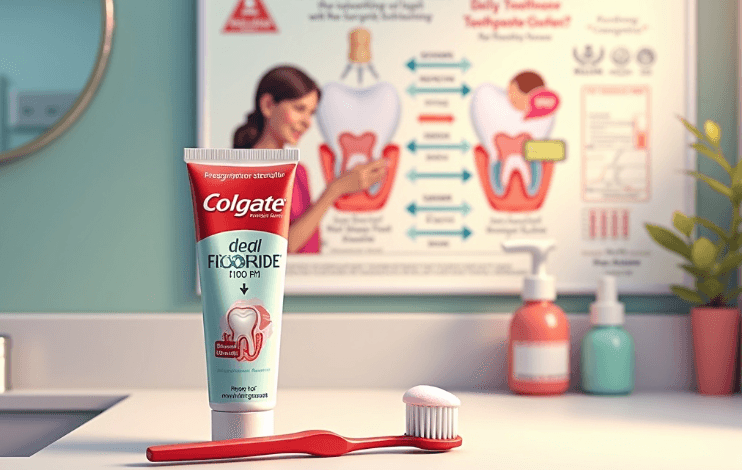
1. Introduction to High-Fluoride Protection
Maintaining optimal oral health is a lifelong endeavor, and at its core lies the prevention of dental caries, commonly known as tooth decay. For decades, fluoride has been recognized as the cornerstone of caries prevention, playing a pivotal role in strengthening tooth enamel and reversing early stages of decay. While low concentrations of fluoride are routinely found in many over-the-counter toothpastes and public water supplies, certain individuals require a more potent defense. This is where high-fluoride protection comes into play. This comprehensive guide delves into the science behind high-fluoride treatments, with a particular focus on Colgate Duraphat, examining its mechanisms, efficacy, and crucial safety considerations. Understanding these aspects is vital for both dental professionals and individuals seeking advanced protection against tooth decay.
2. Understanding Dental Caries and Fluoride’s Role
Dental caries is a multifactorial disease resulting from an imbalance between demineralization and remineralization processes in the tooth structure. Bacteria in the mouth metabolize dietary sugars, producing acids that dissolve the mineral content of enamel and dentin. If this acidic attack persists without adequate remineralization, a cavity forms.
Fluoride intervenes in this process in several critical ways:




1. Enhancing Remineralization: Fluoride ions attract calcium and phosphate ions, forming fluorapatite, a stronger and more acid-resistant mineral than the naturally occurring hydroxyapatite in enamel. This process helps to repair microscopic lesions before they become full-blown cavities.
2. Inhibiting Demineralization: When fluoride is present in the oral environment, it reduces the solubility of enamel in acidic conditions, making the tooth more resilient to acid attacks.
3. Antibacterial Effects: At higher concentrations, fluoride can also inhibit bacterial enzymes, thereby reducing acid production by cariogenic bacteria.
These combined effects make fluoride an indispensable tool in the fight against tooth decay, offering a robust defense against the constant challenges posed by diet and oral bacteria.
3. The Mechanism of Action: How Fluoride Protects Teeth
The protective action of fluoride is remarkably sophisticated, operating at both a chemical and biological level. When fluoride ions are present in saliva and plaque fluid, they readily incorporate into the tooth structure during the natural remineralization process. This results in the formation of fluorapatite crystals, which are larger, more perfect, and significantly less soluble in acid than the original hydroxyapatite crystals. This improved crystal structure makes the enamel far more resistant to acid erosion.
Furthermore, fluoride acts as a catalyst for remineralization. Even tiny amounts of fluoride can accelerate the uptake of calcium and phosphate ions into demineralized enamel, effectively repairing early lesions. The “high-fluoride” aspect amplifies these benefits, providing a greater reservoir of fluoride ions to drive these protective processes, particularly in individuals with a higher risk of caries. This sustained presence of fluoride ensures continuous protection and repair, making teeth more resilient over time.
4. Introducing Colgate Duraphat: A High-Fluoride Solution
Colgate Duraphat is a well-established and clinically proven high-fluoride toothpaste designed for individuals at high risk of dental caries. Unlike standard over-the-counter toothpastes that typically contain 1,000 to 1,500 parts per million (ppm) of fluoride, Colgate Duraphat contains a significantly higher concentration, specifically 5,000 ppm fluoride. This elevated concentration is precisely what provides its enhanced protective capabilities. The product is formulated to deliver a therapeutic dose of fluoride directly to the tooth surface, ensuring maximum uptake and integration into the enamel. It is a prescription-only product in many regions, underscoring its potency and the need for professional guidance in its use. For those seeking this advanced level of oral care, Post My Meds offers access to prescription-strength dental products like Colgate Duraphat, simplifying the process of obtaining essential treatments.
5. Clinical Efficacy and Evidence-Based Benefits of Colgate Duraphat
The efficacy of high-fluoride toothpastes like Colgate Duraphat is supported by a substantial body of scientific evidence from numerous clinical trials and systematic reviews. Studies consistently demonstrate that 5,000 ppm fluoride toothpaste is significantly more effective at preventing and arresting dental caries compared to standard fluoride toothpastes.
Key findings often highlight:
1. Superior Caries Reduction: Research indicates a greater reduction in caries incidence, particularly in high-risk groups such as orthodontic patients, individuals with xerostomia (dry mouth), or those undergoing radiation therapy to the head and neck.
2. Enhanced Remineralization: Clinical studies using techniques like quantitative light-induced fluorescence (QLF) or microcomputed tomography (micro-CT) have shown superior remineralization of early enamel lesions with high-fluoride formulations.
3. Arrest of Active Lesions: High-fluoride toothpastes have been shown to arrest the progression of existing non-cavitated carious lesions, preventing them from developing into irreversible cavities.
4. Benefits for Exposed Root Surfaces: With age, gum recession can expose root surfaces, which are more susceptible to decay than enamel. High-fluoride toothpastes provide excellent protection for these vulnerable areas.
These evidence-based benefits underscore why Colgate Duraphat is a go-to recommendation for dental professionals when conventional fluoride treatments are insufficient.
6. Safety Profile of High-Fluoride Toothpastes, Including Duraphat
A common concern regarding high-fluoride products is their safety. It is crucial to understand that while fluoride is highly beneficial, excessive intake can lead to fluorosis, particularly in children whose teeth are still developing. Dental fluorosis manifests as aesthetic changes to enamel, ranging from faint white streaks to brown staining and pitting in severe cases. However, the safety profile of prescription-strength toothpastes like Colgate Duraphat, when used as directed, is excellent.
The primary safety considerations revolve around:
1. Dosage Control: The 5,000 ppm formulation is designed for adults and children over a certain age (typically 10 or 16, depending on regional guidelines and practitioner discretion) who have fully formed permanent teeth. The small pea-sized amount recommended for brushing minimizes systemic ingestion.
2. Swallowing Minimization: Patients are explicitly instructed to spit out the toothpaste thoroughly after brushing and not to rinse their mouth with water immediately afterward, to maximize topical fluoride retention and minimize ingestion.
3. Professional Oversight: Because of its higher concentration, Duraphat is a prescription product. This ensures that its use is guided by a dental professional who assesses the patient’s individual caries risk and determines appropriate usage. When you need to replenish your supply, Post My Meds provides a convenient platform for obtaining your prescribed Duraphat.
When used under professional guidance and according to instructions, the risk of adverse effects from Colgate Duraphat is minimal, and the benefits of caries prevention far outweigh these theoretical risks for high-risk individuals.
7. Proper Usage and Dosage Recommendations
The effectiveness and safety of high-fluoride toothpaste like Colgate Duraphat heavily depend on correct usage. Dental professionals provide specific instructions, but general guidelines include:
1. Frequency: Typically, Duraphat is used once daily, preferably at night before bed. This allows the fluoride to remain on the tooth surfaces for an extended period without being washed away by food or drink.
2. Amount: A small, pea-sized amount of toothpaste is sufficient. More is not better, and it increases the risk of accidental ingestion.
3. Brushing Technique: Brush thoroughly for at least two minutes, ensuring all tooth surfaces are covered.
4. Spitting, Not Rinsing: After brushing, spit out the excess toothpaste. Do not rinse your mouth with water immediately. This is perhaps the most critical instruction, as rinsing significantly reduces the fluoride concentration remaining in the oral cavity. Avoid eating or drinking for at least 30 minutes after brushing to allow maximum fluoride uptake.
5. Age Restrictions: Adhere strictly to the age recommendations provided by your dentist, which are typically for individuals aged 10 or 16 and above, depending on the specific product and regional regulations.
Adherence to these simple yet crucial instructions ensures both the efficacy and safety of this powerful preventive tool.
See also: Because Your Future Health Deserves a Plan
8. Addressing Common Concerns and Misconceptions
Despite the overwhelming scientific evidence supporting fluoride’s benefits, several misconceptions persist.
1. “Fluoride is toxic”: While fluoride can be toxic in extremely high doses (like any substance, including water), the amounts present in drinking water, toothpaste, and professional applications are well below toxic levels and are carefully regulated. The key is appropriate dosage.
2. “Fluoride causes fluorosis”: As discussed, dental fluorosis is a risk primarily during tooth development in early childhood when excessive fluoride is ingested. For adults and older children using Duraphat, whose enamel is already formed, the risk of dental fluorosis is negligible.
3. “Natural alternatives are better”: While natural oral care products have their place, none have demonstrated the same level of evidence-based efficacy in preventing and reversing dental caries as fluoride. For high-risk individuals, fluoride remains the gold standard.
Dental professionals are best equipped to address these concerns and provide accurate, evidence-based information to patients considering high-fluoride therapies.
9. The Importance of Professional Guidance and Prescription
Given the higher concentration of fluoride in products like Colgate Duraphat, professional guidance is not just recommended but often legally required. A dentist will:
1. Assess Caries Risk: Evaluate your individual risk factors for decay, such as dietary habits, oral hygiene practices, medical conditions (e.g., dry mouth, acid reflux), and past caries history.
2. Determine Suitability: Decide if a high-fluoride toothpaste is the most appropriate and effective treatment for your specific needs.
3. Provide Instructions: Offer clear, personalized instructions on how to use the product safely and effectively.
4. Monitor Progress: During regular check-ups, the dentist can monitor the effectiveness of the treatment and make any necessary adjustments.
This professional oversight ensures that patients receive the maximum benefit from high-fluoride protection while minimizing any potential risks. Post My Meds facilitates this process by providing a convenient and legitimate way to obtain your prescribed Colgate Duraphat, ensuring continuity of care.
10. Beyond Prevention: Therapeutic Applications
While primarily known for its preventive role, high-fluoride toothpaste also has significant therapeutic applications. It is often prescribed for conditions where the oral environment is particularly challenging:
1. Root Caries: As mentioned, exposed root surfaces are highly vulnerable. Duraphat provides potent protection and can help remineralize early root lesions.
2. Orthodontic Patients: Braces can make oral hygiene difficult, leading to plaque accumulation and increased risk of white spot lesions (early caries). High-fluoride toothpaste is a common prescription to mitigate this risk.
3. Xerostomia (Dry Mouth): Reduced saliva flow, often due to medications or medical conditions, significantly increases caries risk. High-fluoride toothpaste helps compensate for the loss of saliva’s natural protective elements.
4. Radiation Therapy Patients: Individuals undergoing head and neck radiation often experience severe dry mouth and increased caries rates. High-fluoride products are crucial for these patients.
5. Sensitive Teeth: While not its primary function, fluoride can also help reduce dentin hypersensitivity by occluding dentinal tubules.
These diverse applications highlight the versatility and importance of high-fluoride formulations in comprehensive oral healthcare.
11. A Future with Stronger Smiles
The science of high-fluoride protection, exemplified by products like Colgate Duraphat, represents a powerful tool in the ongoing battle against dental caries. By leveraging fluoride’s ability to remineralize enamel, inhibit demineralization, and offer some antibacterial effects, these advanced formulations provide enhanced protection for individuals at elevated risk of decay. The rigorous clinical evidence supporting their efficacy, coupled with a well-understood safety profile when used correctly under professional guidance, makes them an indispensable part of modern preventive dentistry. As we continue to understand the complex interplay of oral health factors, the targeted application of high-fluoride therapies ensures that more people can maintain stronger, healthier smiles throughout their lives, preventing discomfort and the need for invasive treatments.