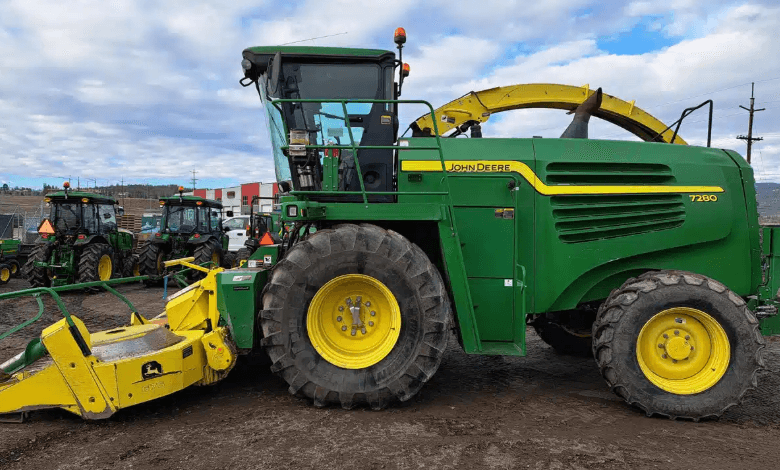
The Importance of Timely Equipment Preparation
As summer approaches and the fields begin to dry under the sun, hay season makes its annual return. For farmers and ranchers, this signals one of the most crucial times of the year. The harvest window is narrow, weather conditions can be unpredictable, and every minute matters. In this context, the efficiency and reliability of your hay tools can make or break your season. Preparing your equipment in advance is not simply best practice—it’s essential for a successful, uninterrupted harvest.
A well-prepared machine can mean the difference between baling high-quality forage and losing it to rain or spoilage. When your hay tools are in peak condition, they perform better, operate more safely, and reduce the likelihood of mid-season breakdowns. Preparing now means more productivity and fewer surprises when the workload increases.
Getting Mowers and Mower-Conditioners Field-Ready
The first step in the hay making process is mowing, and for that, your mower or mower conditioner must be up to the task. The blades, often overlooked, play a critical role in maintaining forage quality. Dull or chipped blades tear the crop rather than cleanly cutting it, which slows regrowth and can even impact future yields. Cutter bars should be inspected for wear, and gearboxes need to be checked for leaks, strange noises, or resistance during operation.


Belts and chains should be tight and free of visible damage. Replacing these components before they fail prevents hours of downtime during harvest. A proactive approach also includes keeping extra hay tool parts like belts and cutter blades in your inventory, so replacements are readily available when needed.
See also: Outdated Home Without a Renovation
Maintaining Tedders for Optimal Drying
After cutting, tedders play a key role in speeding up the drying process. These machines rely on precision movement and structural integrity to work effectively. The tine arms and tines must be thoroughly inspected for cracks, bends, or excessive wear. If tines are missing or damaged, the machine will not spread hay evenly, leading to uneven drying and potential losses in quality.
Drive systems require lubrication, and joints should move smoothly without resistance. A dry or worn joint can quickly escalate into a mechanical failure when the machine is running for long hours in the field. Checking these systems now ensures that the tedder can handle the intense workload of peak season.
Keeping Rakes in Working Order
Rakes are essential in gathering hay into uniform windrows, which helps with efficient and even baling. If the rake is in poor condition, it can leave patches of hay behind or produce inconsistent rows that slow down the baler. Tines need to be intact and well-aligned to collect material cleanly. Hydraulic systems must operate without leaks or sticking, and wheels should roll freely without wobbling or noise.
While performing these checks, it’s wise to replace any worn bearings or bushings. Having the right hay tool parts on hand—like spare tines or springs—can save the day if something breaks during operation.
Preparing Balers for a Heavy Workload
The baler is arguably the heart of the hay making process. This machine does the final and most labor-intensive job of collecting, compressing, and binding hay into bales. Before the season starts, every part of the baler should be inspected carefully. The pickup assembly should be free of obstructions and worn teeth should be replaced to prevent crop loss.
Chains and belts should be checked for proper tension and wear. A slipping belt or broken chain during peak season can halt operations and force you into costly downtime. One of the most intricate systems on a baler is the knotter mechanism. Twine knives must be sharp and clean, and all moving parts should be lubricated to ensure smooth performance. Hydraulic hoses and electrical components should also be checked for leaks, fraying, or signs of corrosion.
It’s incredibly useful to maintain a stockpile of hay tool parts for balers, such as twine knives, pickup teeth, bearings, and belts. This allows you to make quick fixes in the field rather than waiting for parts to be shipped or sourced locally during the busiest time of the year.
Getting Bale Wrappers and Movers Ready
Once bales are formed, bale wrappers and movers come into play. These tools are vital for preserving forage quality and minimizing manual labor. For bale wrappers, wrapping arms must be able to move through their full range of motion smoothly. Any binding or misalignment can result in uneven wrapping, which compromises the seal and shortens the bale’s storage life.
Plastic film dispensers need to feed evenly and consistently, and it’s important to stock enough film to last through the harvest season. Bale movers and stackers should be tested for hydraulic performance and frame integrity. Any mechanical issue during the lifting or transporting of bales can quickly turn into a safety risk or bottleneck in your workflow.
Stocking Spare Parts and Staying Ahead
One of the most effective ways to prevent downtime is by stocking frequently needed hay tool parts in advance. Items like cutter blades, rake tines, baler teeth, belts, bushings, and chains are not only commonly used—they’re also the most likely to fail under heavy use. By having these on hand, you reduce dependence on local suppliers and shipping timelines during peak season.
It’s worth creating a checklist of your equipment and the spare parts each machine typically requires. Use past maintenance records to help guide this list. Being well-prepared helps ensure that a minor breakdown doesn’t become a major disruption.
Following Good Maintenance Practices
In addition to replacing worn parts, preventative maintenance routines such as lubrication are key to long-term performance. Every joint, bearing, and pivot should be greased according to the manufacturer’s specifications. Lubrication extends the life of your tools and helps them run smoothly even during long days in the field.
It’s also important to inspect your equipment’s tires. Proper inflation and even wear ensure stability and smooth operation. Tires with dry rot or weak sidewalls are prone to failure, especially under the weight of fully loaded machinery.
Don’t forget about electrical systems and sensors. These are often overlooked until they fail. Make sure all wires are intact and that electronic controls are responsive and error-free.
Keeping Records and Working Safely
Maintaining a detailed service log for your hay tools will help you spot patterns over time and plan for future upgrades. Document the date of each inspection, what parts were replaced, and what issues were resolved. This kind of information is invaluable for long-term decision-making.
Safety should always come first. Only perform maintenance on machinery that is turned off and properly secured. Use the correct tools, follow manufacturer guidelines, and wear appropriate personal protective equipment. Even a simple inspection can become hazardous if done carelessly.
Final Thoughts
Prepping your hay equipment before the season begins is one of the most important investments you can make in your operation. It saves time, reduces stress, and boosts productivity when it matters most. By carefully inspecting each tool, performing necessary repairs, and stocking up on hay tool parts, you can approach harvest season with confidence. The work you put in now ensures that your machines will be ready when the fields are.