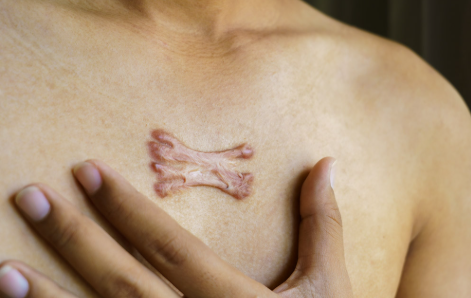
The occurrence of keloid scars, an overgrowth of dense fibrous tissue that usually develops after skin injury, is an issue that can cause both physical discomfort and emotional distress. These types of scars do not simply fade away over time and often require specialised medical intervention. Understanding the significance of effective keloid scar treatment is crucial in improving the skin’s appearance and reducing any associated symptoms.
Understanding Keloid Scars
Keloid scars are characterised by their raised, shiny, and often reddish or purplish appearance. Unlike hypertrophic scars, keloids can continue to grow beyond the boundaries of the original wound and do not subside over time. They can occur on any part of the body, but they are most common on the chest, shoulders, earlobes, and cheeks.
The development of keloids is influenced by several factors, including genetic predisposition, skin tension and movements, and the depth and size of the wound. Populations with darker skin tones are more prone to keloid formation, meaning that management of these scars is a significant dermatological concern for diverse communities.



Innovative Keloid Scar Management
Keloid scar management has evolved over the years with advances in medical technology and a better understanding of wound healing. Treatment options range from minimally invasive procedures to more extensive medical interventions. The primary goal of these treatments is to improve the scar’s appearance, alleviate pain and itching, and prevent further scar tissue growth.
Compression Therapy
Compression therapy is one of the traditional methods used in keloid scar management. It involves using silicone sheets or pressure garments to flatten the scar. This method is often used as a conservative approach, particularly for smaller keloids, or as an adjunct to other treatments.
Read Also: Brand Myequiservehome Home Service Provider
Corticosteroid Injections
Corticosteroid injections are widely used due to their ability to reduce inflammation and suppress collagen production. They can soften the scar tissue and flatten the keloid. Usually, multiple injections are required, administered at intervals over several months for the best results.
Laser Therapy
Laser therapy has become more popular due to its precision and effectiveness. It can reduce the redness of keloids and improve scar texture. Different kinds of lasers can be employed depending upon the specific characteristics of the keloid scar.
Cryotherapy
Cryotherapy involves freezing the keloid scar tissue with liquid nitrogen. This method can be efficient for smaller keloids and may be used in combination with other treatments to enhance outcomes.
Surgical Options
In some cases, surgical removal of the keloid may be recommended. This option must be considered carefully, as poorly managed surgical interventions can result in the keloid re-forming and potentially being larger than the original.
Radiation Therapy
Radiation therapy is used sparingly due to potential long-term risks but can be effective when combined with surgery. It is typically reserved for recurring or resistant keloids.
Interferon Therapy
Interferon therapy involves injecting medications that modify the immune response. Although this treatment is not as common as some other options, it has shown some promise in reducing keloid size and improving skin texture.
Embracing a Holistic Approach
Doctors and dermatologists often recommend a holistic approach to managing keloids that includes not only medical treatments but also lifestyle modifications to prevent keloid formation or exacerbation. Patients might be advised to avoid skin trauma, protect their skin from excessive sun exposure, and monitor their skin for changes that could indicate keloid development.
Choosing the Right Keloid Scar Treatment
Selecting the appropriate keloid scar treatment requires a thorough consultation with a medical professional who specializes in dermatology. An individual assessment of the scar’s features, the patient’s medical history, and their treatment preferences are essential for tailoring the most suitable treatment plan.
For those considering keloid scar treatment, it’s critical to seek the expertise of a clinic that offers a variety of advanced treatment options and has a comprehensive understanding of the complexities associated with scar management.
What to Expect From Treatment
Treatment outcomes can vary based on several factors, including the age of the scar, the size, and the patient’s overall health. Some scars may respond impressively to initial treatments while others may require a combination of therapies for optimal results. It is also important for patients to have realistic expectations regarding the final appearance of their skin post-treatment.
Moving Forward
Keloids represent a challenge in the field of dermatology, but with the innovative approaches available today, patients have a chance to reduce the negative effects of these scars on their lives. If addressed promptly and managed effectively, keloid scars can be significantly improved, enhancing both skin health and the patient’s confidence. The evolution of keloid scar treatment offers hope for those affected, showing that even the most persistent scars can be conquered with the right combination of technology and skill.