When you’re planning to fix or replace your roof, it’s common to hear people refer to “roofers” and “roofing contractors” as if they’re the same. While they both work in roofing, their roles are quite different. Understanding how they differ and which one to hire for your specific project can save you time, money, and frustration.
Difference Between Roofer and Roofing Contractor
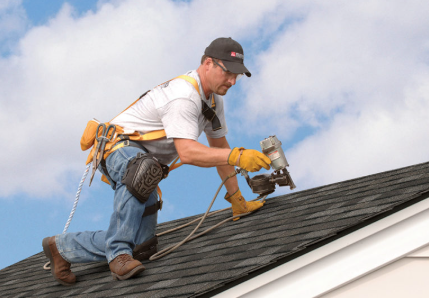
A roofer is the person who physically installs, repairs, or replaces your roof.
They’re skilled tradespeople who handle the hands-on tasks, from removing old roofing materials to laying shingles and sealing leaks. Roofers are often employed by roofing contractors or hired as subcontractors, and their job is focused on labor, not on project planning or permits.




In contrast, a roofing contractor is a licensed professional who manages the entire roofing project.
This includes providing estimates, scheduling inspections, hiring crews, and ensuring compliance with local building codes. Roofing contractors are business owners or managers who take full responsibility for your roofing project from start to finish. They often work with a team of roofers but also handle communication, paperwork, and warranties.
When You Might Just Need a Roofer
While roofers perform the manual labor, roofing contractors take on the management and legal responsibility. Think of the roofer as the builder and the roofing contractor as the general overseer. The contractor handles everything from permits to timelines, while the roofer carries out the job according to those plans. Understanding this distinction helps you know who’s accountable if issues arise during or after the job.
For minor repairs, hiring an individual roofer might be enough.
If you’re dealing with something like replacing a few shingles or sealing a leak, a roofer can get the job done quickly and at a lower cost. However, it’s important to make sure they’re insured and experienced, especially if you’re hiring them independently and not through a contractor.
A roofing contractor should handle larger jobs like full roof replacements or structural repairs. Projects that involve permits, inspections, or multiple workers require professional coordination.
The Importance of Insurance and Licensing
A licensed contractor ensures the job is up to code, materials are used correctly, and deadlines are met. They also typically offer warranties on both labor and materials, something individual roofers may not provide.
Hiring a contractor gives you added peace of mind when it comes to licensing, insurance, and quality control. Roofing contractors are usually insured and bonded, which means you’re protected in case of injury or property damage during the project. If you hire a roofer without these protections, you could be held liable if something goes wrong.
Read Also: Brand Myequiservehome Home Service Provider
Cost differences
Cost differences can be misleading, so don’t assume a roofer is always cheaper.
While a roofer may offer lower hourly rates, a contractor often has better access to wholesale materials and more efficient crews. They can prevent delays, ensure proper installation, and ultimately save you from costly mistakes that can arise from improper repairs.
If you’re not sure which to hire, consider the size and complexity of the job. For a quick repair, a roofer might be the right fit. But for anything more involved or if you want the peace of mind of full-service support, a roofing contractor is the safer choice. In many cases, contractors will bring in roofers to do the labor while managing everything else behind the scenes.
Conclusion
Ultimately, knowing the difference between a roofer and a roofing contractor helps you make the right call. By understanding their roles and responsibilities, you can avoid hiring the wrong type of professional and ensure your roof gets the attention it needs. Whether you need a minor fix or a significant upgrade, choosing the right expert will protect your home and your budget.