In the fast-paced digital economy of 2025, a high-performing sales funnel is a critical asset for businesses seeking to convert prospects into loyal customers. A well-designed funnel guides potential buyers through a structured journey, from initial awareness to final purchase, maximizing efficiency and impact. This article outlines a strategic approach to building a sales funnel that delivers measurable results, offering practical steps for marketers to create a system that aligns with modern consumer behavior.
Defining Your Funnel’s Purpose
The foundation of a results-driven sales funnel is clarity of purpose. Before building, identify your primary objective—whether it’s generating leads, driving e-commerce sales, or increasing subscriptions. This focus shapes every stage of the funnel, ensuring alignment with business goals. For instance, a B2B software company might prioritize lead quality, while a retail brand focuses on high-volume transactions.
Equally important is understanding your target audience. Use data from tools like CRM platforms or social media analytics to create detailed buyer personas, capturing demographics, preferences, and pain points. A clear audience profile ensures the funnel speaks directly to prospects’ needs, increasing the likelihood of conversion.



See also: Tech Support Line: 930330574
Capturing Attention at the Top
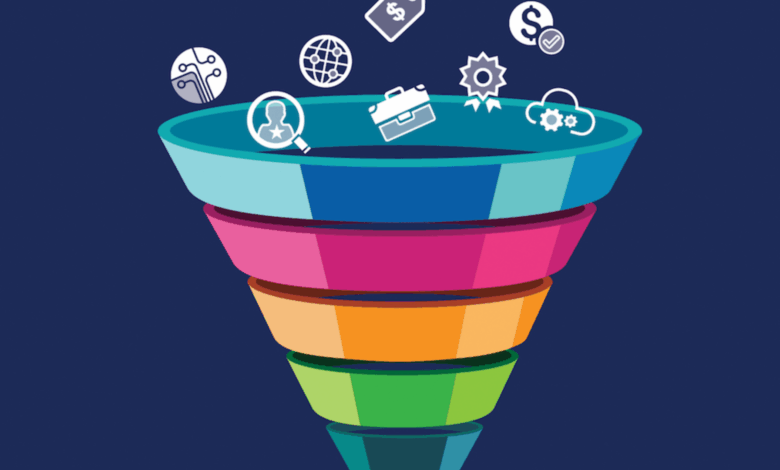
The top of the funnel (TOFU) is where prospects first encounter your brand, making it critical to create a strong first impression. Effective TOFU strategies leverage channels like social media, content marketing, and paid advertising to attract a broad but relevant audience. For example, a short video ad on a streaming platform like Hulu can pique interest, while a blog post optimized for search engines can draw organic traffic.
Content at this stage should prioritize value over sales. A skincare brand, for instance, might offer a free guide on “Daily Routines for Healthy Skin,” positioning itself as a trusted resource. Optimize for discoverability by incorporating SEO best practices—target high-intent keywords and ensure mobile-friendly formats, as over 60% of web traffic in 2025 comes from mobile devices.
Building Trust Through Engagement
The middle of the funnel (MOFU) focuses on nurturing leads by fostering trust and deepening interest. This stage is about providing content that addresses specific needs and demonstrates your brand’s value. Email sequences, webinars, and downloadable resources like whitepapers are effective tools here. A financial services company might host a webinar on “Retirement Planning in 2025,” offering actionable advice while subtly showcasing its expertise.
Personalization drives engagement. Use behavioral data—such as pages visited or content downloaded—to tailor communications. For example, if a prospect views a product demo, follow up with an email highlighting related features or customer success stories. Automation platforms like Marketo or ActiveCampaign can streamline this process, delivering timely, relevant content at scale.
Converting Intent into Action
The bottom of the funnel (BOFU) is where prospects make a decision. The goal is to present a compelling offer that overcomes objections and prompts action. This could be a limited-time discount, a free trial, or a value-added bundle. For instance, a subscription box service might offer a 20% discount on the first month, coupled with a money-back guarantee to reduce risk.
Landing pages play a pivotal role here. Design them with clarity and focus: a strong headline, concise benefits, and a prominent call-to-action (CTA). Trust signals, such as customer testimonials or industry certifications, can further reassure prospects. A/B testing different elements—like CTA button colors or offer structures—helps identify what drives the highest conversions.
Simplifying the Purchase Process
A seamless purchase experience is critical to ensuring conversions. Friction, such as a complicated checkout or lengthy forms, can lead to abandonment—studies indicate up to 70% of online shoppers abandon carts due to process complexity. Streamline the action stage by minimizing steps, offering guest checkout options, and enabling autofill for forms. For a SaaS company, a one-click trial sign-up can significantly boost conversions.
Post-purchase engagement is equally important. A personalized thank-you email or onboarding guide reinforces the customer’s decision and sets the stage for retention. For example, a fitness app might send new users a welcome video with tips for getting started, increasing the likelihood of long-term engagement.
Optimizing with Data-Driven Insights
A results-driven funnel relies on continuous improvement. Analytics tools provide a wealth of data to refine performance. Track metrics like conversion rates, drop-off points, and cost-per-acquisition to identify strengths and weaknesses. For instance, if a high percentage of prospects exit at the MOFU stage, revisit your nurturing content to ensure it addresses their concerns.
Heatmaps and user session recordings, available through tools like Hotjar, reveal how prospects interact with your funnel. If users consistently skip a form field, simplify or remove it. Regular testing—whether adjusting ad copy or tweaking landing page layouts—ensures the funnel remains aligned with evolving consumer behavior.
Integrating Cross-Channel Touchpoints
Modern consumers interact with brands across multiple platforms, from social media to email to streaming services. A high-performing funnel integrates these touchpoints cohesively. For example, a prospect might discover your brand through a TikTok influencer, engage with a retargeting ad on Hulu, and convert via a personalized email offer. Consistent branding and messaging across channels create a unified experience that builds trust.
Social proof can amplify results. Incorporate user reviews, influencer endorsements, or case studies into your funnel. A home decor brand, for instance, could feature customer photos on its landing page, showing real-world applications of its products. This authenticity resonates with prospects, particularly younger audiences who value peer validation.
Avoiding Common Missteps
Even well-crafted funnels can falter if common pitfalls are ignored. One frequent mistake is targeting too broad an audience at the TOFU stage, leading to low-quality leads that don’t convert. Narrow your focus to high-intent prospects using precise targeting, such as interest-based ads or niche content. Another error is neglecting mobile optimization—funnels must be responsive and fast-loading to accommodate mobile users.
Overloading prospects with information can also backfire. Keep content concise and focused, especially at the BOFU stage, where clarity drives action. Finally, failing to re-engage non-converting leads is a missed opportunity. Retargeting campaigns or nurturing emails can recapture prospects who initially hesitated, often at a lower cost than acquiring new ones.
Scaling for Sustained Growth
Once your funnel is performing well, scaling is the next step. Expand reach by exploring new channels, such as emerging social platforms or partnerships with complementary brands. For example, a wellness brand might collaborate with a fitness influencer to drive TOFU traffic, then retarget those leads with streaming ads. Automation is key to managing increased volume—tools like Zapier can connect platforms, ensuring seamless data flow.
Retention strategies extend the funnel’s impact. Loyalty programs, exclusive offers, or post-purchase content can turn one-time buyers into repeat customers. A coffee subscription service, for instance, might offer a free sample of a new blend to existing subscribers, encouraging continued engagement.
Sustaining Momentum with Strategic Refinement
A results-driven sales funnel is a dynamic system that evolves with your business and audience. Regularly assess performance through KPIs like lead-to-customer conversion rates and customer lifetime value. Gather feedback via surveys or social listening to understand what resonates with your audience. Stay ahead of trends—such as the rise of shoppable ads or AI-driven personalization—to keep your funnel competitive.
By focusing on audience alignment, engaging content, seamless conversions, and data-driven optimization, marketers can build a funnel that not only drives results but also adapts to the ever-changing digital landscape of 2025.