Every parent knows the anxiety of wondering what’s really in their family’s drinking water. From invisible contaminants to concerning headlines about lead and chemical pollutants, ensuring safe hydration for your children feels like a daily battle. One question surfaces repeatedly among health-conscious families: does RO water remove minerals? The answer is nuanced. Reverse Osmosis systems are remarkably effective at stripping away harmful contaminants, but they also reduce beneficial minerals like calcium and magnesium in the process. This trade-off between achieving ultra-pure water and retaining essential nutrients sits at the heart of the modern water filtration debate. Fortunately, advanced RO technology has evolved to address both sides of this equation, with systems that combine rigorous contaminant removal with thoughtful approaches to mineral retention. In this article, we’ll explore exactly how RO filtration works, what it removes, and how today’s innovative solutions help parents deliver water that’s both safe and nourishing for growing bodies.
The Science Behind RO Water and Mineral Removal
Reverse Osmosis works by forcing water through a semipermeable membrane with pores so tiny that only water molecules pass through easily. This membrane, typically filtering at 0.0001 microns, acts as an incredibly selective barrier. Dissolved solids, organic compounds, and most contaminants are physically too large to squeeze through, so they’re flushed away as waste water. It’s essentially the same principle hospitals use for dialysis, applied to your kitchen countertop.
So does RO water remove minerals? Yes, and here’s why. The membrane doesn’t distinguish between harmful dissolved substances and beneficial ones. Calcium, magnesium, potassium, and sodium ions are all dissolved solids, and RO systems typically eliminate 90-99% of them alongside dangerous contaminants. This means the same mechanism protecting your family from lead and arsenic also strips away minerals that support bone development, nerve function, and hydration balance in growing children.



The health implications depend on context. For families who get adequate minerals through a balanced diet rich in dairy, leafy greens, and whole grains, the mineral loss in water may be negligible. However, for children who are picky eaters or families relying heavily on their water supply for mineral intake, the reduction matters. Taste also shifts noticeably—RO water often tastes “flat” compared to mineral-rich spring water because dissolved minerals contribute to water’s natural flavor profile.
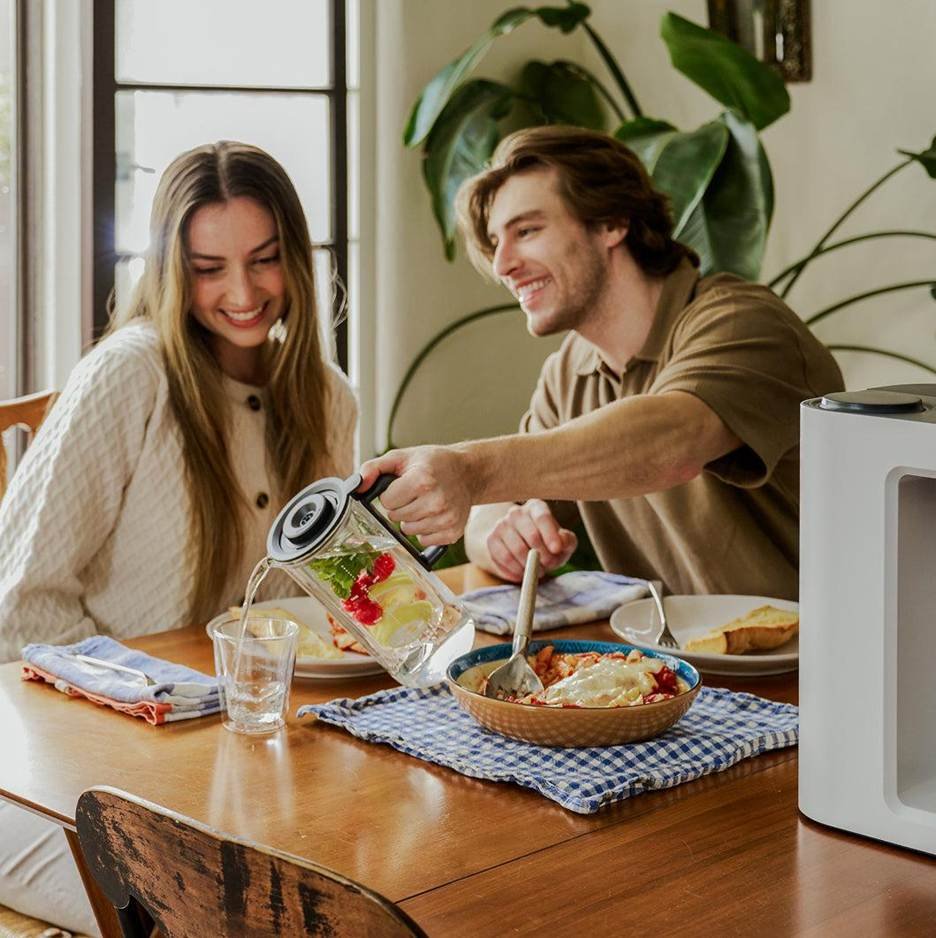
This is where remineralization enters the conversation. Modern RO systems now incorporate post-filtration stages that reintroduce beneficial minerals back into purified water. Think of it as getting the best of both worlds: the membrane eliminates everything dangerous, then a secondary process adds back only what your body needs. Compared to standard filtration methods like activated carbon, which remove chlorine and some organic compounds but leave heavy metals largely untouched, RO with remineralization delivers both superior safety and nutritional value in a single system.
See also: digital technology transformation trends
Key Contaminants Removed by an Innovative Water Purifier
When parents turn on the tap, they rarely see what’s lurking beneath the clarity. Municipal water supplies can contain dozens of contaminants that pass basic treatment standards yet still pose risks, especially for developing bodies. Lead leaches from aging pipes and solder joints, with no safe exposure level for children. Chlorine and chloramines, added as disinfectants, create byproducts linked to long-term health concerns. Volatile organic compounds from industrial runoff, pharmaceuticals that survive wastewater treatment, and heavy metals like mercury and arsenic round out a troubling list that standard carbon filters only partially address.
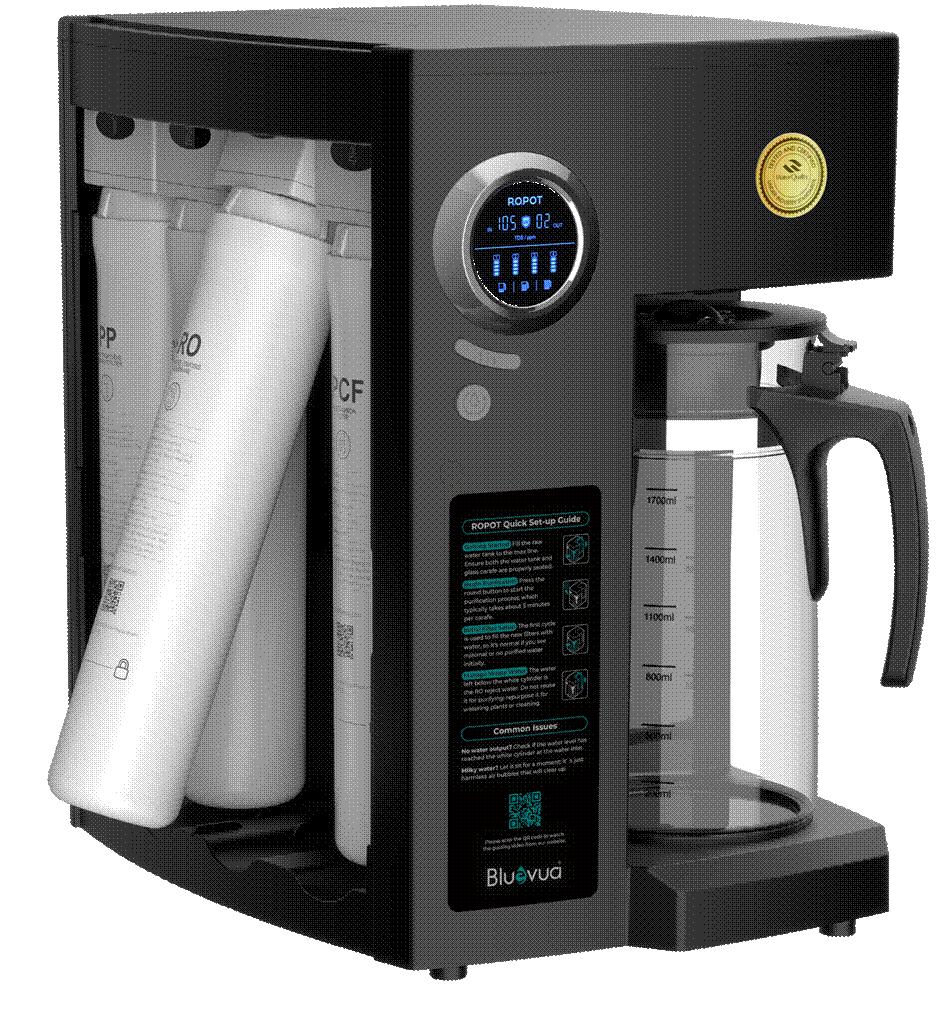
A new generation of innovative water purifiers has been engineered specifically with these family concerns in mind. Multi-stage filtration architecture targets contaminants across the spectrum—removing up to 99.9% of lead, 99% of chlorine and its byproducts, and effectively eliminating bacteria, viruses, and cysts like Giardia that can cause severe gastrointestinal illness in young children. Beyond biological threats, advanced systems tackle PFAS (forever chemicals), pesticide residues, and dissolved pharmaceutical compounds that increasingly appear in tap water nationwide.
What sets this approach apart is the combination of thoroughness and intelligence. Rather than relying on a single filtration method, well-designed systems employ complementary stages where each layer catches what the previous one might miss. Sediment pre-filtration protects the RO membrane’s longevity, the membrane itself handles dissolved contaminants at the molecular level, and post-filtration polishes taste while reintroducing beneficial minerals. Independent testing confirms effectiveness rates that meet or exceed NSF/ANSI standards across more than 1,000 known contaminants. For parents who’ve spent sleepless nights worrying about water quality reports or aging infrastructure in their neighborhoods, this level of verified protection transforms daily hydration from a source of anxiety into genuine peace of mind.
Lab-Grade RO Systems for Maximum Water Safety
The term “lab-grade RO” refers to systems that achieve the same precision and consistency found in laboratory and medical-grade water purification. These systems operate at rejection rates above 95% for total dissolved solids, maintain certified performance across thousands of gallons, and undergo rigorous third-party testing against NSF/ANSI 42, 53, 58, and 401 standards. What distinguishes them from basic countertop RO units isn’t just filtration capability—it’s the reliability of that performance over time and across varying water conditions.
For families asking whether RO water removes minerals unnecessarily, lab-grade systems offer a sophisticated answer. Their advanced membranes achieve tighter molecular separation, meaning they can target specific contaminant categories with greater precision while integrated remineralization stages restore calcium, magnesium, and trace elements at controlled, beneficial levels. The Bluevua exemplifies this approach by pairing its high-rejection membrane with alkaline mineral restoration, ensuring purified water emerges not just safe but physiologically balanced for daily consumption by children and adults alike.
Consistency matters enormously in a family setting. Standard RO systems can degrade unpredictably—membrane fouling, pressure fluctuations, and filter exhaustion all reduce effectiveness without visible warning signs. Lab-grade systems address this through smart monitoring features that track filter life based on actual usage and water quality rather than arbitrary timelines. Built-in TDS meters provide real-time confirmation that contaminant rejection remains within safe thresholds. This means parents aren’t guessing whether their system still performs—they know. When compared to conventional RO units that may lose 10-20% effectiveness before a filter change alert triggers, lab-grade precision ensures every glass poured for your child meets the same exacting safety standard as the first.
Practical Steps to Ensure Safe Drinking Water for Your Family
Taking control of your family’s water quality starts with understanding what you’re working with. Request your local water utility’s annual Consumer Confidence Report, which details detected contaminants and their levels. For deeper insight, invest in a certified home water testing kit that screens for lead, heavy metals, PFAS, and bacterial contamination—especially if your home has plumbing installed before 1986 or draws from a private well. These results become your roadmap for choosing the right filtration solution.
When selecting an RO system, prioritize units with verified third-party certifications against NSF/ANSI standards 42, 53, 58, and 401. Look for systems that incorporate remineralization stages, since you now understand that RO water removes minerals alongside contaminants. Consider your household’s daily water consumption to ensure the system’s production capacity matches demand without running dry during peak usage. Installation typically requires minimal plumbing knowledge for countertop models, though under-sink units may benefit from professional setup to avoid leaks or pressure issues.
Maintenance consistency determines long-term performance. Replace pre-filters on schedule to protect the RO membrane from premature fouling, and monitor TDS readings weekly to confirm rejection rates remain within acceptable ranges. Flush the system after periods of non-use, such as family vacations, to prevent bacterial growth in stagnant water lines.
Safeguarding Children’s Water at Home
Children’s smaller bodies are more vulnerable to contaminant exposure, making proactive habits essential. Store filtered water in BPA-free glass or stainless steel containers rather than plastic bottles that can leach chemicals, particularly when exposed to heat or sunlight. Establish a routine where kids drink from a designated filtered water source rather than bathroom taps or outdoor spigots that bypass your purification system. For infants, always use RO-purified water when preparing formula to avoid fluoride overconsumption and heavy metal exposure. Test your system’s output quarterly using an inexpensive TDS meter, and involve older children in the process—teaching them why water quality matters builds lifelong health awareness. If your family travels frequently or children attend schools with older infrastructure, consider a portable filtration bottle as a secondary safeguard outside the home.
Balancing Purity and Nutrition in Your Family’s Water
Understanding that RO water removes minerals alongside dangerous contaminants empowers families to make smarter choices rather than fearful ones. The science is clear: Reverse Osmosis remains one of the most effective methods for eliminating lead, chlorine, PFAS, bacteria, and hundreds of other pollutants that threaten developing bodies. The mineral trade-off, once a legitimate concern, has been elegantly solved by modern systems that pair rigorous purification with intentional remineralization. Advanced solutions like the Bluevua system demonstrate that families no longer need to choose between safety and nutrition—lab-grade filtration with mineral restoration delivers both in every glass. The path forward involves knowing your water’s specific challenges through testing, selecting a certified system that matches your household’s needs, and maintaining it consistently so performance never silently degrades. Your children deserve water that’s free from invisible threats yet still contributes to their growth and wellbeing. By taking these informed, proactive steps today, you transform tap water from an uncertain variable into a reliable foundation for your family’s long-term health.