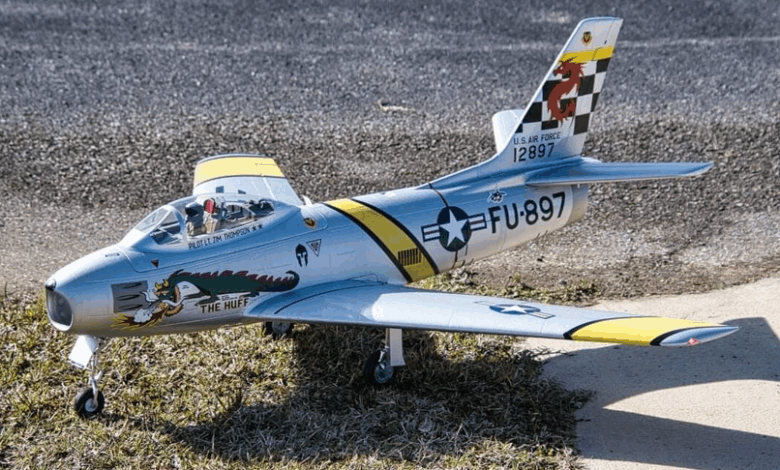
The world of RC aviation offers an exciting array of aircraft, from nimble trainers to high-performance aerobatic models. Whether you’re taking your first steps into remote-controlled flight or looking to expand your fleet, choosing the right airplane can mean the difference between an exhilarating hobby and a frustrating experience. Many newcomers purchase their first plane based solely on appearance, only to discover it’s too advanced for their skill level or unsuitable for their flying location. Understanding the technical specifications and matching them to your circumstances is crucial for success. This comprehensive guide breaks down the essential factors you need to consider when selecting an rc airplane. We’ll explore the key specifications that define performance, examine how different models suit various environments and skill levels, and help you make a confident decision. By the end, you’ll have the knowledge to choose an aircraft that not only fits your current abilities but also grows with you as your piloting skills develop, ensuring countless hours of enjoyable flight time.
Understanding RC Airplane Specifications
Before purchasing an RC airplane, familiarizing yourself with technical specifications prevents costly mistakes and ensures compatibility with your flying goals. The three primary specifications that define any RC aircraft are flying weight, motor size, and construction materials. Flying weight influences handling characteristics and determines where you can safely fly, while motor size dictates power output and battery requirements. Additionally, wingspan affects stability and turning radius, with larger spans offering steadier flight but requiring more space. Channel count on your transmitter determines control complexity, ranging from simple three-channel trainers to advanced six-channel aerobatic models. Understanding these specifications allows you to match aircraft capabilities with your skill level and flying environment, creating a foundation for successful flights from day one.
Flying Weight
Flying weight represents the total mass of your aircraft ready for takeoff, including battery, fuel, and any onboard equipment. Lighter planes under 250 grams excel in confined spaces and gentle conditions, responding quickly to control inputs with minimal momentum. Mid-weight models between 500 grams and 2 kilograms offer versatility, handling light winds while remaining manageable for intermediate pilots. Heavier aircraft above 2 kilograms penetrate wind effectively and maintain stable flight paths, but demand larger flying areas and more developed piloting skills to land safely without damage.



Motor Size
Motor size determines thrust capacity and directly impacts flight performance characteristics. Brushed motors suit beginner trainers with their affordability and adequate power for gentle flight, though they wear faster than alternatives. Brushless motors deliver superior efficiency and longevity, with sizes designated by dimensions and KV ratings that indicate revolutions per volt. High KV motors spin faster with smaller propellers for speed-oriented models, while low KV motors turn larger props efficiently for scale aircraft and gliders. Matching motor size to airframe weight ensures sufficient thrust without excessive power that complicates control for developing pilots.
Choosing the Right Model
Once you’ve grasped the technical specifications, selecting the appropriate RC airplane requires evaluating three practical dimensions that directly impact your flying success. Your physical flying environment sets immediate constraints on aircraft size and performance capabilities. Your current piloting skills determine which control systems you can handle safely and enjoyably. Your available budget influences not only the initial purchase but also long-term maintenance and potential upgrades. Balancing these factors ensures you invest in an aircraft that delivers satisfying flight experiences rather than sitting unused after initial disappointment.
Environment
Your flying location fundamentally shapes aircraft selection, as different environments impose distinct requirements. Indoor spaces demand ultra-lightweight models under 100 grams with slow flight speeds and protective prop guards to prevent wall damage. Small parks accommodate trainers with 800-1200mm wingspans that handle light breezes while fitting within confined boundaries. Large open fields support full-sized models exceeding 1500mm wingspan, where you can safely practice advanced maneuvers without obstacle concerns and benefit from the stability heavier aircraft provide in variable wind conditions.
Skill Level
Matching aircraft complexity to your piloting experience prevents frustration and accelerates skill development. Complete beginners benefit from high-wing trainers featuring self-stabilization technology that corrects mistakes automatically, allowing you to focus on basic directional control. Intermediate pilots ready to progress should select models with manual stabilization modes that can be toggled off as confidence builds. Advanced flyers can handle low-wing aerobatic designs with sensitive controls and minimal electronic assistance, enabling precise execution of loops, rolls, and inverted flight that would overwhelm less experienced operators.
Budget
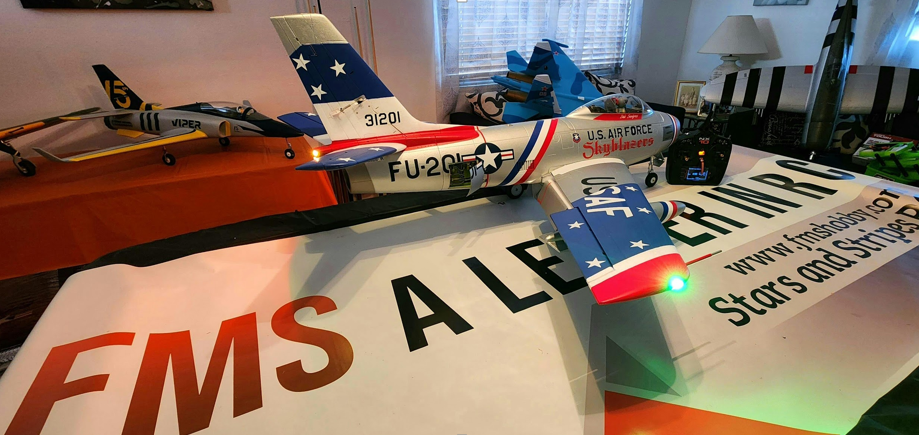
Financial planning for RC aviation extends beyond the aircraft sticker price to encompass essential supporting equipment and ongoing costs. Entry-level ready-to-fly packages provide complete systems including transmitter, receiver, and battery, offering immediate flight capability for budget-conscious beginners. Manufacturers like FMS Model offer mid-range options that often require separate transmitter purchases but deliver better component quality and upgrade potential, representing a solid value for pilots planning to stay in the hobby long-term. Premium models assume you own compatible equipment and focus investment on advanced features and durable construction. Factor in replacement batteries, spare propellers, and eventual crash repairs when establishing your realistic total budget for sustainable enjoyment of the hobby.
See also: How to Travel Well on a Budget with an Oman Travel Planner
Making Your Confident Aircraft Selection
Selecting the ideal RC airplane requires careful evaluation of specifications alongside practical considerations that shape your flying experience. Flying weight and motor size form the technical foundation, determining how your aircraft performs in different conditions and whether it matches your handling capabilities. Beyond these numbers, your specific flying environment dictates size constraints and durability needs, while honest assessment of your skill level prevents purchasing aircraft that exceed your current abilities. Budget considerations extend past the initial investment to include batteries, repairs, and eventual upgrades that sustain long-term enjoyment. The most successful aircraft choice balances all these elements rather than prioritizing any single factor. Start with models that offer room for growth, allowing you to develop skills gradually without immediately outgrowing your investment. As you gain experience, you’ll naturally recognize when you’re ready for more advanced features and challenging flight characteristics. Remember that even experienced pilots return to stable trainers for relaxed flying sessions, so choosing a forgiving aircraft never represents a limitation. With the knowledge from this guide, you can confidently select an RC airplane that delivers immediate satisfaction while supporting your journey toward mastery of remote-controlled flight.