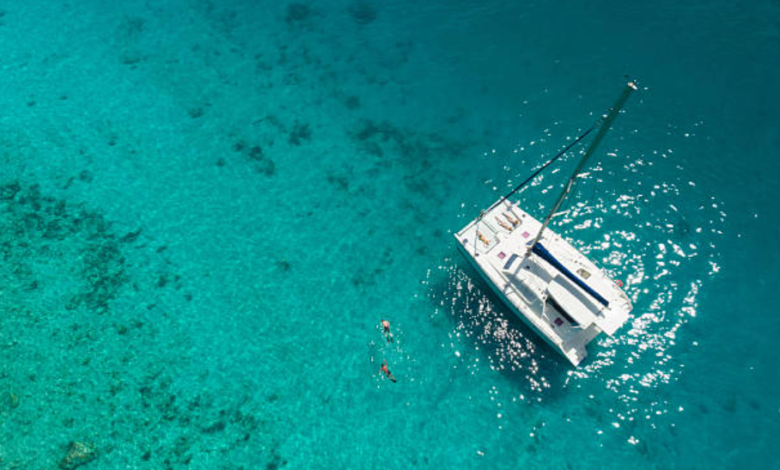
Most catamaran tours on Oahu last between one and three hours, depart from Waikiki Beach, and include snorkeling, sunset views, or whale watching, depending on the season. Knowing the basics before you book helps you choose the right tour and avoid surprises on the day.
Oahu is Hawaii’s third-largest island and its most visited, home to Honolulu, Diamond Head, and some of the Pacific’s most accessible ocean waters. The island’s south shore offers calm, clear conditions that make catamaran sailing comfortable for most visitors.
Browsing an Oahu catamaran tour FAQ before booking gives first-time visitors a clear picture of what to expect from the water.


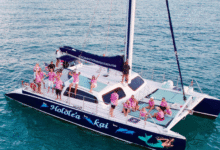

Here are some frequently asked questions answered:
What Types of Catamaran Tours Are Available
Tours operating from Oahu offer several tour styles, so the right choice depends on what you want from the experience.
Snorkeling Tours
These tours head to reef areas just off the coast where visibility is strong. Gear is typically provided on board. They work well for families and first-time snorkelers.
Sunset Cruises
Sunset catamaran tours depart in the late afternoon and last around two hours. Many include light appetizers and drinks. The views of Diamond Head and the Honolulu coastline at dusk are a highlight.
Whale Watching Tours
These run seasonally from December through April when humpback whales migrate through Hawaiian waters. Naturalist guides often join the tour to explain whale behavior. Sightings are common but never guaranteed.
How Much Do Catamaran Tours Cost
Pricing varies based on tour type and duration, but general ranges apply across most operators.
- Snorkeling tours typically run between $40 and $80 per adult
- Sunset cruises range from $60 to $120, depending on inclusions
- Private charters cost significantly more and vary by group size
- Children’s pricing is usually 30 to 50 percent lower than adult rates
Booking directly through an operator’s website often saves money compared to third-party platforms.
What Should You Bring on a Catamaran Tour
Packing light but smart keeps the experience comfortable from start to finish.
Most operators provide snorkeling gear, towels, and sunscreen. However, bringing a few personal items makes a real difference on the water.
- Reef-safe sunscreen, as many operators require it
- A light layer of wind on the open water
- Motion sickness medication if you are sensitive to boat movement
- A waterproof case for your phone or camera
- Water shoes if the tour includes reef entry
Is Seasickness a Concern on Catamaran Tours
Catamarans are wider and more stable than single-hull boats, which reduces rocking significantly. Most passengers with mild motion sensitivity do well on a catamaran, even if they struggle on other vessels.
Choosing a morning departure also helps, as ocean conditions tend to be calmer earlier in the day. Taking an over-the-counter motion sickness tablet an hour before departure is a practical precaution for anyone who is unsure.
When Is the Best Time to Book a Tour
Timing your booking well affects both availability and overall experience.
Oahu’s peak tourist season runs from mid-December through March and again in summer. Tours fill up quickly during these periods, especially sunset and whale watching departures. Booking at least one week in advance is strongly recommended during busy months.
For a broader look at what each tour type covers, comparing options through an Oahu catamaran tour FAQ page on a reputable operator’s site helps narrow down the best fit before committing to a booking.
Key Takeaways
- Most Oahu catamaran tours last one to three hours and depart from Waikiki Beach.
- Tour types include snorkeling, sunset cruises, and seasonal whale watching.
- Prices range from $40 to $120 per adult, depending on tour type and inclusions.
- Catamarans are more stable than single-hull boats, reducing seasickness risk.
- Morning departures offer calmer ocean conditions for sensitive passengers.
- Booking at least one week ahead is important during peak tourist season.
- Reef-safe sunscreen and a light layer are the two most important items to pack.