Picture this: you’re loaded down with beach chairs, a cooler packed with drinks, towels, toys for the kids, and an umbrella that seems determined to catch every gust of wind. Your arms ache before you’ve even left the parking lot, and the moment your feet hit the sand, every step becomes a struggle. Sound familiar? For millions of beachgoers, transporting gear across soft, shifting sand transforms what should be a relaxing day into an exhausting ordeal. The weight of bulky equipment combined with unstable terrain creates a perfect storm of frustration. Enter the push pull wagon—a practical innovation that’s changing how families and beach enthusiasts approach their seaside adventures. These versatile carts offer a straightforward solution to the age-old problem of beach gear transport, turning a dreaded chore into a simple task. This article explores how push pull wagons deliver effortless transport and comfortable handling specifically designed for sandy beaches, examining the features that matter most and providing practical guidance to help you reclaim the joy of beach days.
Why Push Pull Wagons Are a Beachgoer’s Best Friend
Not long ago, beach trips meant multiple exhausting treks between the car and your chosen spot on the sand. Parents juggled armfuls of equipment while children carried what they could, often dropping items along the way. The arrival of utility wagons marked a turning point, but early models struggled on soft terrain, their small wheels sinking with every step. Push pull wagons represent the next evolution—purpose-built for environments where traditional carts fail. These modern designs excel in beach settings by combining sturdy construction with sand-friendly engineering. The primary advantage is immediately obvious: what once required three trips and sore shoulders now takes one smooth journey. Physical strain diminishes dramatically when you can roll rather than carry a cooler weighing forty pounds, plus chairs, umbrellas, and toys. Efficiency improves too—you spend less time hauling and more time enjoying the waves. For families with young children or anyone with mobility concerns, this shift transforms accessibility. The beach becomes genuinely welcoming rather than an obstacle course. Beyond mere convenience, these wagons fundamentally enhance the beach experience by eliminating the stress that precedes relaxation, allowing you to arrive at your spot refreshed rather than depleted.
Essential Features for Effortless Beach Transport
All-Terrain Wheels for Mastering Sandy Surfaces
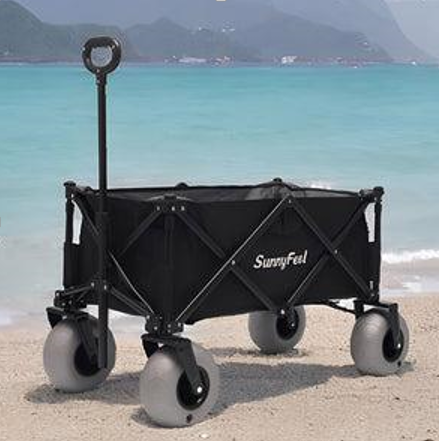
The difference between a wagon that glides across sand and one that becomes an anchor lies entirely in its wheels. Standard narrow wheels sink immediately into soft beach terrain, creating resistance that makes pulling feel like dragging dead weight. Purpose-built beach wagons feature oversized wheels—typically seven inches or wider—that distribute weight across a larger surface area, preventing the dreaded sink-and-stick effect. Pneumatic tires filled with air provide additional advantage, compressing slightly to increase contact area while maintaining smooth rolling motion. Some models incorporate balloon-style wheels with deep treads that grip without digging in. This engineering transforms the experience: instead of fighting each step, you maintain steady momentum with minimal effort. The wheels pivot independently on quality models, allowing you to navigate around obstacles or turn sharply without lifting the wagon. This responsive handling means comfortable maneuvering even when fully loaded, letting you adjust your path smoothly as you cross uneven dunes or packed wet sand near the waterline.



Foldable Design for Ultimate Portability and Storage
A wagon that solves one problem while creating another isn’t truly practical. The brilliance of foldable designs lies in their transformation from spacious hauler to compact package in seconds. Modern mechanisms use simple release latches or buttons that allow the frame to collapse flat, reducing the wagon to a fraction of its working size—often slim enough to slide behind car seats or stand upright in a closet. This collapsibility proves essential for beachgoers who lack truck beds or roof racks. You drive to the coast with your wagon tucked away, deploy it at the parking lot, then fold it back down before heading home. The convenience extends beyond transport: apartment dwellers and homeowners with limited garage space appreciate storing a collapsed wagon that occupies the same footprint as a folded beach chair. Quality folding systems maintain structural integrity despite repeated use, with reinforced joints that lock securely when deployed. The best designs require no tools and no wrestling—just smooth, intuitive motion that anyone can manage.
Durable Construction and Load Capacity
Beach environments punish equipment relentlessly. Salt air corrodes metal, sand abrades surfaces, and full sun degrades cheap plastics. Wagons built for serious beach use counter these threats with powder-coated steel frames that resist rust and heavy-duty fabric beds made from 600-denier polyester or reinforced canvas. These materials withstand the weight of loaded coolers—often the heaviest single item in your beach arsenal—plus the cumulative burden of chairs, umbrellas, bags, and toys. Robust wagons handle loads between 120 and 200 pounds, enough capacity to transport gear for an entire family in one trip. Reinforced stitching at stress points prevents fabric from tearing when you load sharp-cornered items, while solid axles eliminate the wobble that plagues cheaper models. Frame stability matters enormously when navigating slopes or uneven terrain; a wagon that flexes or twists under load becomes difficult to control and risks spilling contents. Durability translates directly to effortless transport because reliable construction means you focus on enjoying your day rather than babying fragile equipment.
Choosing the Right Push Pull Wagon for Your Beach Adventures
Selecting the ideal wagon requires matching features to your specific beach habits and cargo needs. Start by evaluating wheel design—if your destination features deep, soft sand, prioritize models with balloon-style tires at least seven inches wide. For beaches with mixed terrain including packed sand and boardwalks, all-terrain wheels with moderate width offer versatility. Foldable utility wagons suit beachgoers who park far from the shore or drive compact vehicles, while rigid-frame garden carts work better if you have truck bed space and value maximum stability over portability. Weight capacity deserves careful consideration: calculate your typical load by mentally tallying your heaviest cooler, chairs, umbrella, and bags. Add twenty percent as buffer, then choose a wagon rated above that total. A family of four typically needs 150-pound capacity minimum, while couples might manage with 100 pounds. Construction quality becomes apparent in frame rigidity and fabric thickness—avoid wagons with thin metal tubing or flimsy cloth beds that sag under load. Compare outdoor gear transport options by testing folding mechanisms in person when possible; smooth, secure latches indicate thoughtful engineering. Budget-conscious buyers find excellent mid-range options that balance durability with affordability, while premium models justify higher costs through superior materials and refined handling. Consider frequency too—occasional beachgoers can opt for basic all-terrain carts, but weekly visitors benefit from investing in robust foldable utility wagons built for intensive use. Brands like SunnyFeelOutdoor offer models designed to complement your complete beach setup, integrating seamlessly with other outdoor furniture and equipment for a coordinated coastal experience. The right choice transforms beach trips from logistical challenges into seamless adventures.
See also: Making Travel Accessible for Young Explorers
Step-by-Step Guide to Using Your Wagon on the Beach
Packing Strategies for Maximum Efficiency
Strategic packing transforms your wagon from a simple container into a perfectly balanced transport system. Begin by placing your heaviest items—typically the cooler—directly over the axle at the wagon’s center. This positioning creates a low center of gravity that prevents tipping on uneven ground and makes pulling significantly easier. Position beach chairs along the sides, standing upright with seats facing inward to create a stable framework. Nestle your umbrella diagonally across the top, securing the pointed end in a corner to prevent rolling. Fill gaps between large items with beach bags, towels, and toys, using soft goods as cushioning that prevents hard items from shifting during transport. Keep frequently needed items like sunscreen, snacks, and water bottles in an accessible outer pocket or on top where you can grab them without unpacking everything. Distribute weight evenly between left and right sides to maintain balanced handling—an off-kilter load pulls to one side and requires constant correction. For added security on longer treks, use bungee cords or the wagon’s built-in straps to anchor your load, preventing items from bouncing out when crossing rough patches or transitioning from pavement to sand.
Techniques for Navigating Sandy Terrain with Ease
Mastering sand navigation begins with choosing your path wisely. Packed wet sand near the waterline offers the firmest surface, allowing your wagon to roll with minimal resistance—ideal for covering distance quickly. When crossing soft dry sand is unavoidable, maintain steady momentum rather than stopping and starting, which causes wheels to dig in. Pull rather than push when possible; pulling lets you use your body weight and leg strength efficiently while keeping the wagon’s weight behind you for better control on slopes. Keep your pulling arm slightly bent and relaxed, positioning the handle at hip height to maintain comfortable posture that prevents shoulder strain. On inclines, approach at a slight angle rather than straight up, reducing the effective grade. If wheels begin sinking, resist the urge to yank hard—instead, back up slightly to release pressure, then proceed with gentle, consistent force. When descending dunes, switch to pushing mode with the handle extended, letting the wagon’s weight work with gravity while you provide controlled braking. For tight spaces or crowded beach areas, use short pulls with frequent direction adjustments rather than trying to muscle through obstacles. Your comfort increases dramatically when you work with the wagon’s design rather than fighting against physics.
Transform Your Beach Experience with the Right Wagon
Push pull wagons have revolutionized beach outings by eliminating the physical struggle that once overshadowed seaside relaxation. These ingenious tools address the core challenge every beachgoer faces: moving bulky equipment across unstable sand without exhaustion or multiple trips. The combination of oversized all-terrain wheels, foldable designs for convenient storage, and durable construction capable of handling substantial loads creates a comprehensive solution tailored specifically to beach environments. Whether you choose a compact foldable utility wagon for easy vehicle transport or a robust all-terrain cart for maximum capacity, the right model transforms logistics from burden to breeze. Features like wide pneumatic tires ensure comfortable handling even on the softest sand, while thoughtful engineering reduces strain on your body and time spent hauling gear. By implementing smart packing strategies and mastering simple navigation techniques, you maximize efficiency and arrive at your beach spot refreshed rather than depleted. The investment in a quality push pull wagon pays dividends in reclaimed energy, reduced stress, and enhanced enjoyment of every coastal adventure. Stop dreading the trek from parking lot to paradise—equip yourself with a wagon designed for effortless beach transport and rediscover the pure joy of seaside days.