Keeping beverages cold, refreshing, and visually appealing throughout a large event is one of the most underestimated logistical challenges planners face. Whether it’s a summer wedding reception, a corporate gala, or a community festival, warm drinks and melting ice can quickly dampen guest satisfaction. The demand for chilled beverages doesn’t pause, and sourcing the right equipment on short notice can feel overwhelming.
Fortunately, a growing number of event planners are turning to equipment rentals as a smart, cost-effective solution. Renting slushy machines and ice makers allows hosts to deliver a premium drink experience without the burden of purchasing and storing commercial-grade appliances. These rentals scale to fit any event size, from intimate gatherings to large-scale productions.
This article walks you through everything you need to know about renting slushy machines and ice makers, exploring the types of equipment available, how to choose the right provider, and how commercial refrigerated equipment can round out your beverage service setup. If you’re looking to impress guests while keeping costs manageable, these practical solutions will help you plan smarter and serve better.


Exploring Slushy Machine Rentals for Event Success
Few beverage options generate as much excitement at events as a well-stocked slushy machine. From summer weddings to corporate appreciation parties, these vibrant, icy drinks have become a crowd-pleasing staple that guests of all ages gravitate toward. Beyond the novelty factor, slushy machines offer real practical advantages: they keep drinks consistently cold, allow for multiple flavor options, and require minimal staff intervention once set up. For event planners managing tight budgets, renting rather than buying eliminates the steep upfront cost of commercial equipment while still delivering a polished, professional result.
The rental market has expanded significantly, giving planners access to machines that suit everything from a backyard birthday party to a 500-person gala. Most rental providers offer flexible packages that include delivery, setup, and pickup, making the logistics far more manageable than coordinating equipment purchases. Flavor syrups are often available as add-ons, letting you customize the drink menu to match your event’s theme or season.
Types of Slushy Machines Available for Rent
Rental inventories typically fall into two main categories. Countertop models are compact, single or dual-bowl units ideal for smaller gatherings of up to 100 guests. They fit easily on bar tables and require only a standard power outlet. Floor-standing models, by contrast, feature larger bowl capacities and multiple flavor chambers, making them better suited for high-traffic events where demand is continuous. Some providers also offer frozen drink dispensers designed specifically for alcoholic beverages, which use slightly different freezing mechanisms to maintain consistency with alcohol-based mixes. Matching the machine type to your expected guest count and drink volume is the first step toward a smooth service experience.
Step-by-Step Guide to Renting and Operating a Slushy Machine
Start by researching local rental companies at least three to four weeks before your event. Request itemized quotes from at least three providers, comparing what’s included in the base rental fee versus what incurs additional charges, such as syrup mix, cleaning, or extended rental periods. Once you’ve selected a vendor, confirm delivery timing so the machine arrives at least two hours before guests do — slushy machines typically need 45 to 90 minutes to reach optimal freezing consistency.
On the day of the event, position the machine on a stable, level surface near a power source, away from direct sunlight or heat-generating equipment. Assign one staff member or volunteer to monitor fluid levels and refill syrup as needed. Keep a backup supply of mix on hand to avoid running dry during peak service hours. After the event, most rental companies handle cleaning, but confirm this in your contract beforehand to avoid unexpected fees.
Ice Maker Machines: Essential for Large Gatherings
No matter how carefully you plan a drink station, everything falls apart without a reliable ice supply. At large gatherings, ice consumption is relentless — guests want cold drinks from the first hour to the last, and running out mid-event is a service failure that’s hard to recover from. This is why ice maker machines have become a non-negotiable piece of equipment for serious event planners. Unlike bagged ice, which melts unevenly and requires constant restocking runs, a dedicated ice maker produces fresh, consistent ice on demand throughout the event. When integrated into your beverage setup, it eliminates supply anxiety and keeps your service running smoothly.
Selecting the right ice maker starts with understanding your event’s scale. A general rule of thumb is to plan for roughly one to one and a half pounds of ice per guest for a standard four-hour event, and closer to two pounds per guest if the weather is warm or if you’re running multiple drink stations. Beyond volume, consider ice production rate — how many pounds the machine generates per hour — alongside storage bin capacity, which determines how much ice is available at any given moment without waiting for a new cycle. Equipment from established ice maker brands like Smartool is often available through rental providers, offering commercial-grade production rates and energy-efficient operation suited to the demands of multi-hour events. Energy efficiency matters too, particularly for multi-day events or venues with limited power infrastructure.
Rental providers typically offer modular, undercounter, and countertop ice makers, each suited to different event environments. Matching the right type to your setup ensures you’re not over- or under-equipped, which directly affects both your budget and service quality.
Different Types of Ice Makers for Commercial Use
Modular ice makers are the workhorses of large-scale events. They produce high volumes of ice and connect to separate storage bins, making them ideal when you need a centralized ice supply for multiple stations. Undercounter units are self-contained and fit neatly beneath bar setups, offering a practical solution for smaller venues or secondary drink stations where space is limited. Countertop models, while compact, are best reserved for low-demand areas or as supplementary units. Ice shape is also worth considering — cubed ice is versatile and melts slowly, nugget ice is softer and popular for cocktails, while flake ice works well for food displays and seafood presentations.
Practical Solutions for Ice Management at Events
Position your ice maker as close to the primary bar or beverage station as possible to minimize transport time and reduce melt loss. Ensure the unit is connected to a clean water line and placed on a level surface with adequate ventilation — most commercial machines require several inches of clearance on all sides to operate efficiently. Before the event begins, run the machine for at least an hour to build up an initial ice reserve so your staff isn’t waiting on the first batch when guests arrive.
During the event, assign a staff member to monitor the storage bin and redistribute ice to satellite stations as needed. Keep insulated ice transport containers on hand to move ice without significant melt loss. If the machine produces less ice than expected due to ambient heat or high demand, supplementing with pre-ordered bagged ice as a backup is a practical safeguard. After the event, follow the rental company’s instructions for draining and cleaning the unit to avoid any end-of-contract disputes.
Integrating Commercial Refrigerated Equipment for Comprehensive Event Prep
Slushy machines and ice makers handle the frozen and chilled drink side of your event, but they don’t operate in isolation. Behind every smoothly run beverage station is a broader cold chain — one that keeps ingredients fresh, pre-made mixes ready, and perishable garnishes at safe temperatures throughout the event. This is where commercial refrigerated equipment becomes an essential part of your planning toolkit. Rather than treating refrigeration as an afterthought, experienced event planners incorporate it as a foundational layer that supports every other element of food and beverage service.
The practical case for renting commercial refrigeration alongside your slushy machines and ice makers is straightforward. Pre-mixed slushy bases, fresh fruit for garnishes, dairy-based drink components, and catering ingredients all require consistent cold storage that a standard household refrigerator simply cannot sustain under event-scale demand. Commercial refrigerated units maintain precise temperature ranges even when doors are opened frequently, which is exactly the kind of reliability you need when staff are moving in and out of storage areas continuously. They also offer significantly more capacity, reducing the number of trips to restock and allowing your team to focus on guest service rather than supply management.
When selecting refrigerated equipment for your event, start by mapping out your full menu and identifying every item that requires cold storage. Calculate the total volume of perishables you’ll need to store at any given time, then add a 20 percent buffer to account for restocking during the event. This calculation will guide you toward the right unit size and quantity. Coordinate delivery timing so refrigerated units arrive early enough to pre-chill before food and beverages are loaded — most commercial refrigerators need one to two hours to reach optimal operating temperature after being powered on. Confirm with your rental provider that units are cleaned and certified for food safety before delivery.
Space planning is equally important. Position refrigerated units within easy reach of your slushy machines and bar stations to minimize the distance staff need to travel when restocking. In outdoor settings, place units in shaded areas and ensure adequate ventilation around the compressor to prevent overheating. For multi-zone events, consider distributing smaller refrigerated units across different service areas rather than centralizing all storage in one location — this reduces congestion and keeps service flowing efficiently at every station.
The Role of Food Prep Refrigerators in Event Planning
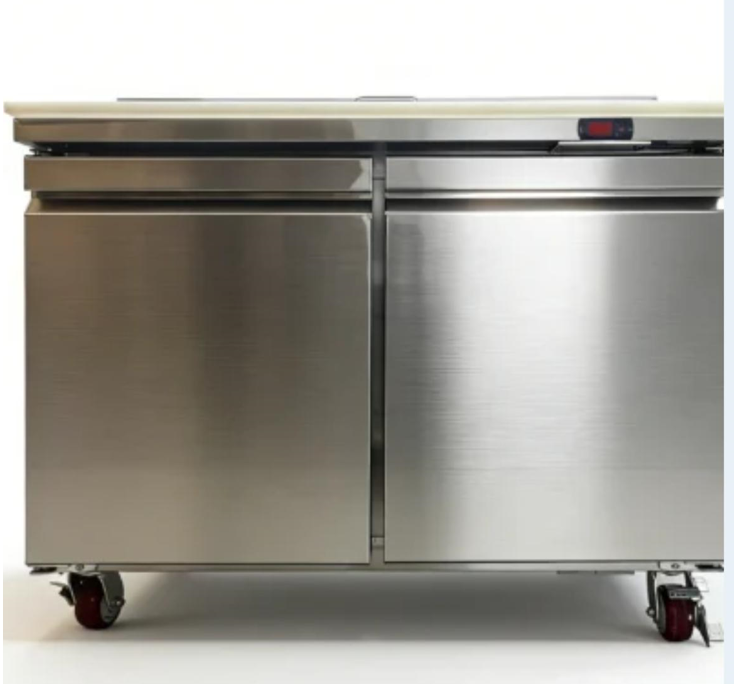
Food prep refrigerators are specifically designed for high-use commercial environments, making them a natural fit for event catering. Unlike standard reach-in units, food prep refrigerators often feature built-in cutting boards, organized pan storage, and easy-access drawers that allow kitchen staff to retrieve ingredients quickly without disrupting temperature consistency. For events with catered menus, these units allow caterers to pre-portion ingredients, store pre-assembled components, and maintain a clean, organized workspace throughout service. When paired with slushy machines, they’re ideal for storing pre-made syrup bases, fresh fruit purees, and garnish trays that staff can access without hunting through overcrowded coolers. The result is a faster, more hygienic service flow that reduces preparation time and minimizes the risk of cross-contamination between food and beverage items.
See also: How Wearable Tech Is Enhancing Player Performance in Golf
Solutions for Efficient Food and Beverage Workflow
Organizing your refrigerated equipment layout around a logical workflow is the single most effective way to improve service speed. Arrange units so that the flow moves from storage to preparation to service in a straight line, reducing the back-and-forth movement that slows staff down during peak hours. Label shelves and designated zones clearly so any team member can locate items without assistance. Maintain strict temperature logs for any event lasting more than four hours — most commercial units have built-in displays, but a secondary thermometer provides an added layer of verification. For hygiene, establish a clear protocol for covering all stored items and rotating stock so older inventory is used first. At the end of the event, follow your rental provider’s guidelines for clearing and cleaning units before pickup. These small operational details, when planned in advance, prevent the minor breakdowns in food safety and service quality that can undermine an otherwise well-executed event.
Elevate Your Event with the Right Rental Equipment
Renting slushy machines, ice makers, and commercial refrigerated equipment transforms the way event planners approach beverage service. Rather than improvising with household appliances or relying on bagged ice that runs out at the worst possible moment, renting gives you access to professional-grade equipment that’s scaled to your event’s actual demands. The result is a smoother operation, happier guests, and a service setup that holds up from the first pour to the last.
The key takeaways are straightforward: match your equipment to your guest count and event duration, book rentals well in advance, and treat refrigeration as a foundational element rather than an afterthought. When slushy machines, ice makers, and food prep refrigerators work together as a coordinated system, you eliminate the most common points of failure in event beverage service — supply shortages, temperature inconsistencies, and disorganized workflows.
Whether you’re planning an intimate celebration or a large-scale corporate event, these rental solutions make a premium drink experience accessible without the overhead of purchasing commercial equipment. Start researching local rental providers today, request itemized quotes, and build a beverage setup that leaves a lasting impression on every guest you serve.