Gastric sleeve surgery is a life-changing procedure that helps individuals achieve significant weight loss and improve their overall health. However, it’s natural to wonder if the reduced stomach size can grow again over time. If you’re considering this surgery or have already undergone it, you may have questions about how to maintain your results and prevent complications like stomach stretching.
In this article, we’ll dive deep into whether the stomach can grow again after gastric sleeve surgery, why it happens, and how you can avoid it. By understanding the factors involved and making informed lifestyle choices, you can ensure lasting success.
Understanding Gastric Sleeve Surgery
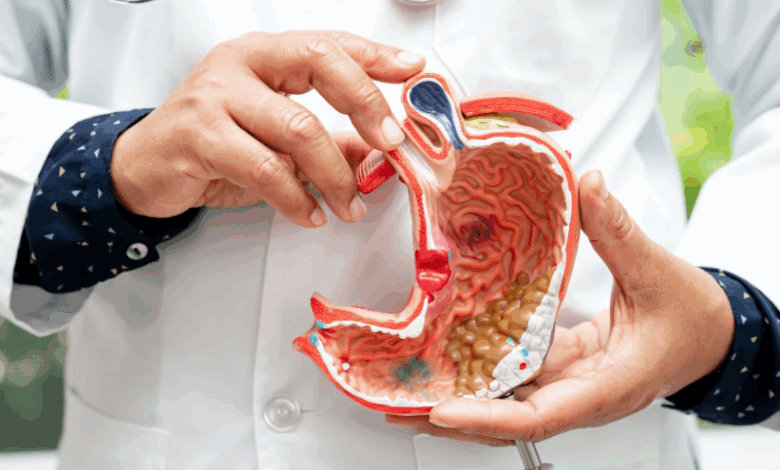
During gastric sleeve surgery, approximately 75-80% of the stomach is removed, leaving a smaller, sleeve-shaped stomach. This significantly reduces the amount of food you can eat and alters hunger-related hormones, helping you feel full faster and consume fewer calories. While the surgery is highly effective, maintaining its benefits requires a lifelong commitment to healthy habits.



Can the Stomach Grow Again After Gastric Sleeve?
Yes, the stomach can stretch over time due to its natural elasticity. Factors such as overeating, consuming carbonated beverages, and not adhering to post-surgery guidelines can lead to gradual stretching. While mild stretching is common and expected, significant expansion can reduce the surgery’s effectiveness.
If your stomach has started to stretch after gastric sleeve surgery, you may experience a variety of physical and behavioral changes. Recognizing these signs early can help you take corrective action to prevent further complications. Here are some common indicators that your stomach may be expanding:
● Increased Appetite
- Feeling hungry more frequently, even shortly after eating.
- Craving larger portions or high-calorie foods that you previously avoided.
- Difficulty feeling full despite consuming more food than usual.
● Difficulty Controlling Portion Sizes
- Struggling to stick to small, measured portions.
- Eating beyond the point of fullness and feeling uncomfortable afterward.
- Gradual increase in meal sizes over time, leading to a return to pre-surgery habits.
● Slowed Weight Loss
- Experiencing a plateau in your weight loss progress, despite sticking to a similar routine.
- A noticeable decrease in the rate of weight loss compared to earlier months post-surgery.
● Weight Regain
- Gaining back some of the weight you initially lost.
- Feeling discouraged or frustrated with the return of old habits.
● Persistent Bloating or Discomfort After Meals
- Experiencing prolonged bloating, especially after eating larger meals.
- Feeling heaviness or pressure in your abdomen that wasn’t present earlier.
● Reverting to Pre-Surgery Eating Patterns
- Snacking frequently on unhealthy or high-calorie foods.
- Eating quickly or not chewing food thoroughly, leading to overconsumption.
- Drinking carbonated beverages that can expand the stomach over time.
● Diminished Satiety Signals
- Feeling like your body no longer signals fullness effectively.
- Eating out of habit rather than hunger.
See also: What Your Mouth Says About Your Overall Health
Preventing Stomach Growth After Gastric Sleeve
The best way to prevent stomach stretching is by following your surgeon’s guidelines. Focus on eating small, nutrient-dense meals, avoid high-calorie liquids, and skip carbonated drinks. Drinking water between meals, maintaining an active lifestyle, and attending regular follow-up appointments are essential for long-term success.
What to Do If the Stomach Stretches
If you suspect that your stomach has stretched after gastric sleeve surgery, addressing the issue promptly is crucial to maintain the benefits of your procedure. Start by consulting your healthcare provider, who will assess your symptoms, review your eating habits, and possibly perform diagnostic tests, such as an upper endoscopy, to determine the extent of the stretching. They may also recommend adjustments to your diet, emphasizing smaller, nutrient-dense meals to prevent further strain on the stomach and promote satiety.
In addition to dietary changes, behavioral counseling might be suggested to identify and modify any habits contributing to overeating or poor food choices. If stretching is severe or accompanied by significant weight regain, your healthcare provider might discuss the possibility of revision surgery. This could involve reshaping the stomach or exploring other bariatric options to restore the restrictive effect of your initial procedure.
While the stomach can grow again after gastric sleeve surgery, this is preventable with the right habits and support. By committing to a healthy lifestyle, attending follow-up appointments, and seeking professional advice when needed, you can maintain your weight loss results and enjoy a healthier, more confident life.
Ready to take control of your weight loss journey and explore life-changing bariatric surgery options? FlyMedi is here to guide you every step of the way. As a trusted medical tourism platform, FlyMedi connects you with top-rated clinics and highly experienced surgeons worldwide, including leading options for gastric sleeve surgery.
Whether you’re seeking affordable, all-inclusive packages for gastric sleeve cost mexico or expert advice tailored to your needs, FlyMedi simplifies the process and ensures you’re in safe hands. Don’t wait to achieve your health and wellness goals—visit FlyMedi today to explore your options, book a consultation, and take the first step toward a healthier, more confident you!