Introduction to Combi Boilers
In recent years, combi boilers—short for combination boilers—have become a popular choice for heating and hot water systems in modern homes. Known for their compact size, energy efficiency, and fast water heating capabilities, they are ideal for smaller homes and apartments. But what does it take to install one, and why should you consider it?
This comprehensive guide will walk you through everything you need to know about combi boiler installation: from understanding the system to costs, preparation, the installation process, and maintenance tips.
What is a Combi Boiler?
A combi boiler combines two functions in one unit: central heating and hot water supply. Unlike traditional boilers that require a separate water tank or cylinder, a combi boiler heats water directly from the mains, providing hot water on demand.



See also: Complete Guide to Home Renovations in Poway
Key Features of a Combi Boiler:
- Compact design suitable for small spaces
- High energy efficiency—lower energy bills
- No need for a hot water storage cylinder
- On-demand hot water
- Ideal for small to medium-sized households
Why Choose a Combi Boiler?
Before diving into the installation details, it’s important to understand why combi boilers are a preferred choice for many homeowners:
1. Space-Saving
Combi boilers eliminate the need for extra tanks or cylinders, making them perfect for apartments or homes with limited space.
2. Cost-Effective Operation
They are highly energy-efficient, often with efficiency ratings of over 90%. This can significantly reduce heating bills over time.
3. Hot Water on Demand
You get hot water whenever you need it, without having to wait for a tank to heat up.
4. Simpler Installation
Since there are fewer parts (no tank or separate cylinder), the installation process is often quicker and more straightforward.
Is Your Home Suitable for a Combi Boiler?
Before planning a combi boiler installation, it’s crucial to assess whether your home is compatible. Here are a few key factors:
- Water Pressure: Combi boilers work best in homes with good mains water pressure.
- Household Size: Ideal for 1–2 bathroom homes. Larger households may experience reduced water pressure if multiple outlets are used simultaneously.
- Existing Heating System: Upgrading from a traditional boiler may require some changes to pipework and radiators.
Combi Boiler Installation: Step-by-Step Process
Installing a combi boiler involves several steps that must be carried out by a certified professional. Here’s what you can expect during the process:
1. Initial Assessment and Home Survey
A qualified heating engineer will visit your home to:
- Evaluate current heating and plumbing systems
- Check water pressure and flow rate
- Identify the best location for the new boiler
- Discuss your hot water and heating needs
2. Choosing the Right Combi Boiler
Once the assessment is complete, the next step is selecting a suitable boiler. Factors to consider include:
- Boiler size (measured in kW)
- Efficiency rating
- Brand reputation
- Warranty and after-sales support
3. Removal of the Old System
If you’re replacing an existing system, the engineer will safely disconnect and remove the old boiler and any associated components like tanks or cylinders.
4. Preparing the Installation Site
Modifications may be needed, such as:
- Re-routing pipework
- Installing new flue systems
- Making electrical connections
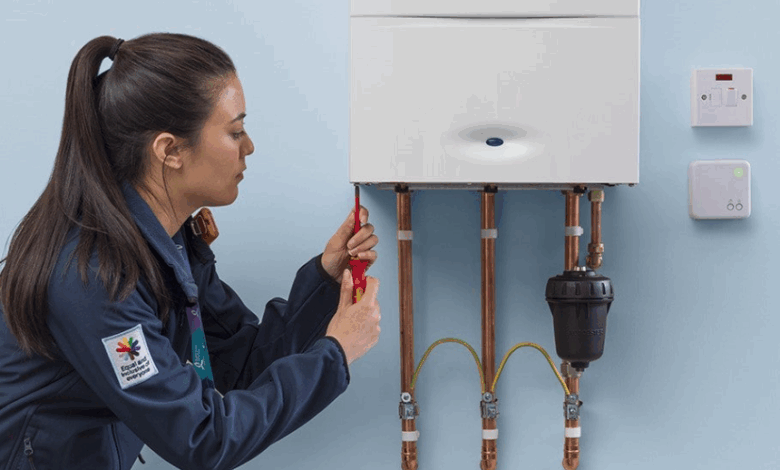
5. Fitting the Combi Boiler
The new combi boiler is installed on a wall or in a suitable location, such as a kitchen cupboard, loft, or airing cupboard. The engineer will connect it to:
- Gas supply
- Water mains
- Central heating system
- Power source
6. Flushing and Testing the System
Once installed, the system is flushed to remove debris and tested thoroughly:
- Checking for gas and water leaks
- Measuring water pressure
- Ensuring all radiators heat up evenly
7. Commissioning and Handover
The engineer completes a checklist to ensure everything is functioning correctly, explains the controls, and provides a user manual. You’ll also receive a Building Regulations Certificate and warranty documentation.
How Long Does Combi Boiler Installation Take?
A straightforward replacement of an existing combi boiler usually takes one day. If you’re converting from a traditional system, it could take 2–3 days, depending on the complexity of the work and any upgrades needed.
Safety and Regulations
Hire a Certified Engineer
In the UK, boiler installation must be carried out by a Gas Safe registered engineer. Ask to see their ID and check their credentials.
Building Regulations Compliance
You’ll need a Building Regulations Compliance Certificate, which your installer should provide after the work is done.
Warranty Activation
Make sure your boiler is registered with the manufacturer within 30 days of installation to activate the warranty.
Common Challenges During Installation
- Low water pressure: May require a booster pump
- Inadequate space: Requires careful planning or relocation
- Gas pipe upgrade: New combi boilers may need a larger gas supply pipe
- Old radiators: May need replacing for better efficiency
Discuss these concerns with your installer during the site assessment to avoid delays and added costs.
Combi Boiler Maintenance Tips
Proper maintenance ensures optimal performance and extends the lifespan of your boiler. Here are some essential tips:
Annual Servicing
Schedule a yearly boiler service with a qualified engineer to:
- Check for gas leaks
- Inspect and clean internal parts
- Test safety devices
- Maintain warranty validity
Bleed Radiators
If your radiators aren’t heating up evenly, air may be trapped. Bleeding radiators helps restore heat efficiency.
Monitor Pressure
Check your boiler pressure regularly. Ideal pressure is usually between 1 and 1.5 bar. Repressurize if it drops too low.
Use Inhibitor Chemicals
Adding central heating inhibitors prevents sludge buildup in the system, reducing the risk of blockages and corrosion.
Advantages vs. Disadvantages of Combi Boilers
| Pros | Cons |
| Compact and space-saving | Not ideal for large homes with many bathrooms |
| Energy efficient | Dependent on mains water pressure |
| No water tank needed | Limited simultaneous hot water supply |
| Fast installation | Can struggle with high demand |
Conclusion: Is Combi Boiler Installation Right for You?
A combi boiler installation is a smart choice for many modern homes—especially those with limited space and moderate hot water needs. With energy efficiency, ease of use, and fast installation, it provides a solid upgrade over traditional systems.
However, it’s important to assess your home’s specific requirements and consult a professional before making a decision. Ensure that the system you choose is compatible with your plumbing setup and meets your heating demands.
FAQs About Combi Boiler Installation
Q1: Can I install a combi boiler myself?
No. Boiler installation must be performed by a Gas Safe registered engineer to comply with legal and safety regulations.
Q2: How often should I service my combi boiler?
Annually. Regular servicing is essential to maintain performance, ensure safety, and keep the warranty valid.
Q3: Do combi boilers work with smart thermostats?
Yes. Most modern combi boilers are compatible with smart thermostats, allowing remote temperature control and energy savings.
Q4: What size combi boiler do I need?
That depends on your home size and water usage. A small flat may need a 24–27 kW boiler, while a larger home might require a 30–35 kW model.
Q5: Can I replace my conventional boiler with a combi?
Yes, but the process may involve changes to pipework, removal of tanks, and installation of a new flue system.