When homeowners sit down with metal roof contractors, the conversation tends to follow a familiar path: panel options, color choices, warranties, and price. All of it matters. But there’s one question that rarely comes up, and it may do more to determine how long the roof actually lasts than any of those topics combined. The question is simply this: “How are you planning to handle moisture and condensation beneath the panels?”
How a contractor responds, or whether they have a real answer at all, says a lot about what kind of job they’re going to do.
Most of the Conversation Focuses on the Wrong Thing
There’s no shortage of information about metal roofing. Comparison guides, installation videos, and spec sheets are everywhere. Almost all of it focuses on what goes on top of the roof deck, the panels, the fasteners, and the flashing. The system beneath those panels gets far less attention, even though it largely determines how the roof holds up over time.


Metal responds to temperature changes faster than almost any other roofing material. On a clear night, even in summer, the underside of a metal panel can cool below the dew point of the warm air inside the home. When that happens, moisture condenses on the surface. It’s the same reason a cold glass sweats on a humid afternoon. Left unmanaged, that moisture corrodes metal, rots wood framing, breaks down insulation, and creates conditions for mold. The problem builds slowly and out of sight, so by the time it’s obvious, the damage is already significant.
What a Good Answer Actually Looks Like
A contractor who knows their work will walk through three things when asked about moisture management: underlayment, ventilation, and insulation. These aren’t separate decisions; they work together, and getting one wrong affects the others.
Underlayment is easy to overlook because it’s hidden, but it’s not a generic product. Metal panels transfer heat differently from shingles, which means standard felt or cheap synthetic underlayments can trap moisture or break down under thermal stress. There are underlayments built specifically for metal roofing, high-temperature options, insulated options, and anti-condensation membranes, and the right choice depends on the home, the climate, and the attic situation. A contractor who doesn’t bring this up probably isn’t thinking about it.
Good ventilation is also a really big deal. The warm, moist air from inside your house needs a way to get out. If fresh air can’t come in through the eaves and older air can’t escape near the roof’s peak, that moist air just sits trapped under your roof. And when it’s trapped, that moisture has nowhere to go. Building codes typically ask for at least one square foot of ventilation for every 300 square feet of attic space, but that’s really just the bare minimum, not what’s best. What you actually need depends a lot on your specific roof angle, how your attic is laid out, and your local climate.
Insulation then completes the picture. Even great insulation won’t do its job if it isn’t properly sealed against air. Warm air tends to leak through things like light fixtures, attic hatches, and even small gaps in the framing, carrying moisture right into the roof space. Sealing up those little pathways is exactly what helps your insulation work well and stops unwanted moisture from forming where it shouldn’t.
Fasteners Are Part of This Conversation Too
The moisture question connects directly to another decision homeowners often treat as a budget call: exposed versus concealed fasteners. Exposed fastener systems use screws and rubber washers that press against the panel surface. Every time the metal expands and contracts with temperature changes, those washers compress and release. Over the years, they wear out. When they fail, water gets in, and any moisture already present beneath the roof compounds the problem.
Concealed fastener systems, including standing-seam designs, allow the panels to move freely across the clips as the metal expands and contracts. There’s no point of compression, so there’s less wear and fewer chances for leaks to develop. It’s a more expensive system, but a contractor worth hiring will explain why — not just quote a higher number.
Climate Isn’t Generic, and Neither Should the Plan Be
Many homeowners just assume their builder will automatically factor in local conditions. And sometimes, that’s true. But even within the same general area, the climate can vary widely, and those specific details truly matter. For instance, homes near the coast are constantly exposed to salty air, which causes rust to form much faster. Then there are places with heavy snowfall—their roofs and the supports underneath need to be designed to handle all that weight. Or in really hot, sunny spots, finishes wear out much quicker if they don’t have special coatings to reflect heat.
These aren’t little extras you just tack on at the very end. They actually need to shape what materials are chosen and how the whole system is put together right from the start. A roof built without really considering its environment will almost certainly perform worse than one that was specifically planned with the local conditions in mind.
The Structure Has to Be Ready Before Anything Goes Up
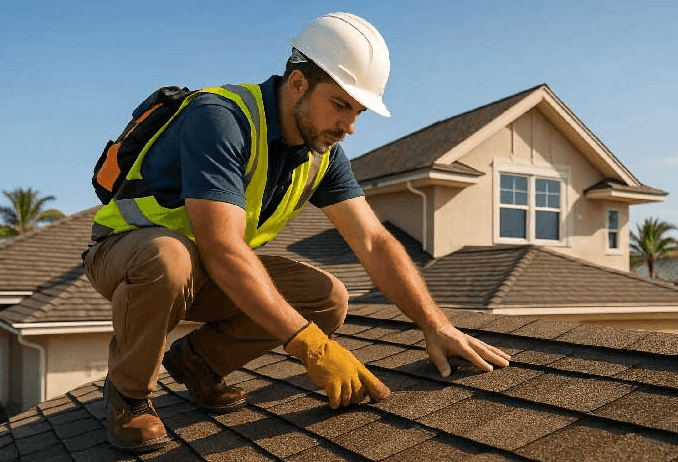
Metal roofing is lighter than most traditional materials, which can lead people to assume the existing structure is fine as is. It often is. But older homes can have soft spots in the decking, uneven framing, or hidden water damage from years under a previous roof. Any of those issues will show up in the finished product, visible waviness, fastening problems, uneven panel alignment, and fixing them after installation is far more disruptive and expensive than catching them before.
A contractor who doesn’t assess the structure before quoting the job is skipping a step that protects both the homeowner and the work itself.
See also: Moving to Phuket with Pets: Finding the Perfect Pet-Friendly Home
The Warranty Is Only as Good as the Installation
Metal roofing warranties can run 40 to 50 years, which sounds like strong protection. But manufacturer warranties typically require that the metal roof installation meet specific conditions: approved underlayment types, required fastener specs, flashing methods, and ventilation standards. If those conditions aren’t met, the warranty can be voided, even if the panels themselves are flawless.
Before signing a contract, homeowners should ask to see the manufacturer’s installation requirements and confirm the proposed system meets them. A contractor who has done this work properly won’t hesitate to show that documentation.
The Bottom Line
A metal roof can be one of the best decisions a homeowner makes: genuinely long-lasting, energy-efficient, and low-maintenance when it’s done right. The panels get most of the attention, but they’re only part of what makes a roof actually perform over 50 years. The system underneath matters just as much.
Ask the metal roof contractors about condensation management before work begins. The answer will tell you whether you’re talking to someone who installs roofs or someone who builds them to last.