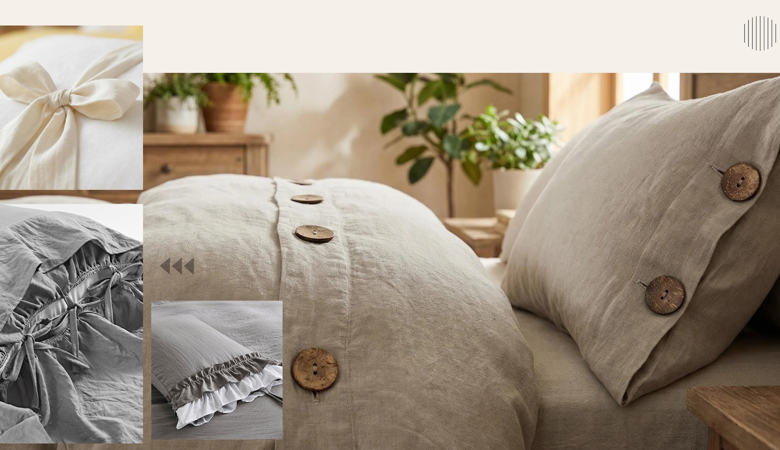
Your bedroom is more than just a place to sleep — it’s a personal sanctuary where design and rest intersect. The right bedding sets can completely transform a dull, uninspired room into a stylish retreat, while simultaneously improving the quality of your sleep. Yet many homeowners find themselves overwhelmed when standing in the bedding aisle or scrolling through endless online options, unsure how to strike the perfect balance between visual appeal and genuine comfort.
Choosing bedding isn’t simply about picking a color you like. It involves understanding materials, coordinating with your existing decor, getting the sizing right, and knowing how to care for your investment over time. Whether you’re redesigning your master bedroom or refreshing a guest room, every decision — from the fabric of your sheets to the decorative comforter draped across the foot of the bed — contributes to the overall feel of the space.
This guide walks you through everything you need to know to make confident, informed choices. You’ll learn what a complete bedding set actually includes, how to use color and texture for aesthetic harmony, which materials deliver the best sleep experience, and how to follow a practical step-by-step selection process. By the end, you’ll have all the tools to create a bedroom that looks beautiful and feels even better.




The Anatomy of a Bedding Set: More Than Just Sheets
Most people think of bedding as simply sheets and a blanket, but a well-curated bedding set is a layered system where every piece serves a purpose — functional, aesthetic, or both. Understanding what goes into a complete set helps you shop smarter and build a bedroom that looks intentional rather than thrown together.
Key Components: From Foundation to Finishing Touches
At its core, a bedding set starts with the foundation layer: a fitted sheet that hugs your mattress and a flat sheet that rests on top of you. These two pieces are your primary contact points during sleep, so their material and feel matter enormously. Pillowcases complete the base layer, and they should always coordinate with your sheets for a clean, unified look. Above these foundational items sits the duvet cover or comforter — the most visually dominant piece on the bed. A duvet cover slips over a separate insert and can be swapped out seasonally or whenever you want a refresh, making it one of the most versatile investments in your bedroom. Decorative shams, a bed skirt, and a folded throw at the foot of the bed round out the full ensemble.
Why Decorative Comforters and Throw Pillows Matter
A decorative comforter isn’t just about warmth — it anchors the entire visual composition of the room. Its color, pattern, and texture set the tone for everything else, from the wall art you choose to the rug beneath the bed frame. Throw pillows, meanwhile, are the most flexible styling tool at your disposal. Layering two to four throw pillows in complementary colors and varying sizes in front of your sleeping pillows instantly elevates the bed from ordinary to polished. They introduce pattern, contrast, and personality without requiring a full bedding overhaul. Think of throw pillows as the accessories to your outfit — small details that make a significant difference in the finished look.
Prioritizing Style: Bedding as a Central Decor Element
Choosing Colors and Patterns for Aesthetic Harmony
Bedding occupies more visual real estate than almost any other element in your bedroom, which means your color and pattern choices carry serious weight. A general rule of thumb: if your walls and furniture are neutral, your bedding can afford to be bold. If your room already features strong colors or busy patterns, opt for bedding in solid tones or subtle textures that calm the space rather than compete with it. Cool blues and greens promote a restful, spa-like atmosphere, while warm creams and terracottas create a cozy, grounded feeling. When working with patterns — stripes, florals, geometric prints — scale matters. A large-scale pattern works best on king or queen beds where it has room to breathe, while smaller repeating patterns suit twin or full sizes without overwhelming the eye.
Mixing and Matching with Bedroom Themes
The most polished bedrooms rarely rely on a single matching set straight off the shelf. Instead, they layer intentionally. Start with a decorative comforter as your anchor piece — its dominant color should pull from one element already present in the room, whether that’s a rug, curtain fabric, or an accent wall. From there, build outward using throw pillows to introduce secondary colors and contrasting textures. A linen pillow beside a velvet one, or a patterned sham against a solid duvet, creates visual depth without chaos. Stick to a palette of two to three colors across all your layers to keep things cohesive. For a contemporary minimalist bedroom, lean on tonal layering — varying shades of the same color. For bohemian or eclectic styles, mix warm-toned patterns freely, unifying them through a consistent thread color running through each piece.
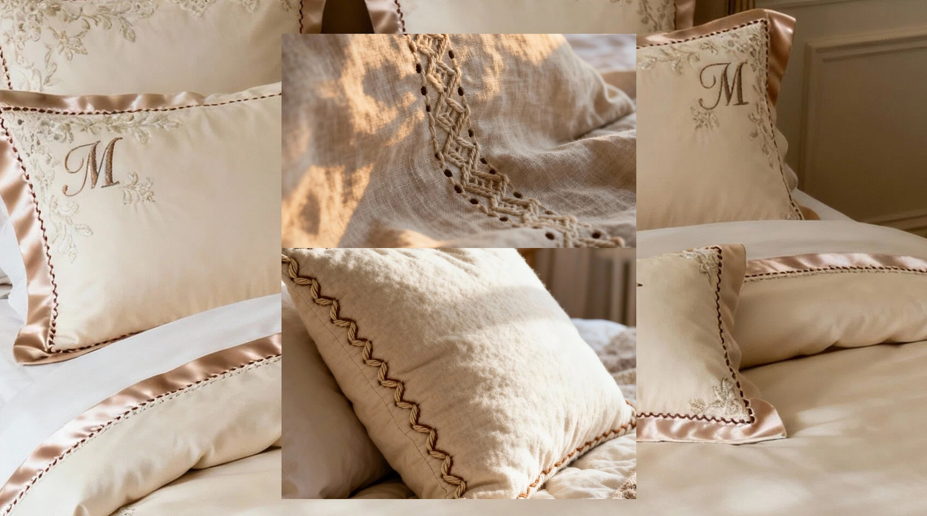
Ensuring Comfort: Materials for an Enhanced Sleep Experience
Style alone won’t make you look forward to climbing into bed each night — the materials you sleep on and under play an equally critical role. The right fabric can mean the difference between waking up refreshed and waking up overheated or restless. Understanding your options allows you to match your bedding to your sleep style, your climate, and your sensitivity preferences.
Fabric Choices: From Cotton to Luxury Blends
Cotton remains the most popular bedding material for good reason — it’s breathable, durable, and softens with every wash. Within the cotton category, Egyptian cotton stands out for its extra-long fibers, which produce a smoother, more lustrous feel that holds up beautifully over time. Percale cotton offers a crisp, cool finish ideal for warm sleepers, while sateen weaves feel silky and substantial, suiting those who prefer a softer, slightly warmer touch. Linen is another excellent choice, particularly for hot climates or summer months. Its natural texture feels relaxed and lived-in, and it regulates temperature exceptionally well, wicking moisture away from the body. For those seeking indulgence, bamboo-derived fabrics offer a silky softness comparable to high-end cotton with added moisture-wicking properties — a strong option for sensitive skin. Brands like highbedding have built their collections around exactly these kinds of thoughtfully sourced materials, catering to sleepers who want both comfort and quality construction. Silk, while luxurious, requires more delicate care and comes at a premium, but it provides unmatched smoothness and natural temperature regulation for those willing to invest.
Understanding Thread Count and Weave for Optimal Comfort
Thread count — the number of threads woven per square inch — is widely misunderstood. Many shoppers assume higher always means better, but that’s a myth worth correcting. A thread count between 200 and 400 in quality cotton typically delivers the best combination of softness, breathability, and durability. Beyond 400, manufacturers often twist multiple thinner threads together to inflate the number, which can actually result in heavier, less breathable fabric. Weave style has a more meaningful impact on your sleep experience than thread count alone. Percale weave produces a matte, cool, crisp feel — excellent for warm sleepers. Sateen weave creates a smoother, shinier surface with a slightly warmer drape, better suited to cooler climates or those who prefer a cocooning sensation. When shopping, prioritize single-ply construction and a weave that matches your temperature preferences over chasing an impressive-sounding thread count number.
See also: Maintaining a Cleaner and Healthier Home Environment
A Step-by-Step Guide to Selecting Your Perfect Bedding Set
Knowing what makes great bedding is one thing — actually choosing the right set for your specific situation is another. The following steps cut through the overwhelm and give you a clear, practical path from browsing to buying with confidence.
Step 1: Assess Your Priorities – Style vs. Comfort Balance
Before you look at a single product, spend a few minutes identifying what you actually need from your bedding. Ask yourself whether your current setup is failing you aesthetically — maybe the colors feel dated or the layers look flat — or whether your primary frustration is physical, like waking up too warm or sleeping on sheets that feel scratchy. Most people need both style and comfort addressed, but knowing which is more urgent helps you make trade-offs when budget or availability forces a choice. If you’re redesigning a guest room that sees occasional use, visual impact might take priority. For your own bedroom where you sleep every night, comfort should anchor every decision, with style built around it rather than the other way around.
Step 2: Measure Your Bed for the Right Fit
Sizing errors are among the most common and frustrating bedding mistakes. A fitted sheet that pops off corners or a comforter that barely reaches the sides of a deep mattress undermines both function and appearance. Start by measuring your mattress length, width, and depth. Standard mattress depths run between 8 and 12 inches, but pillow-top and memory foam models can reach 14 to 18 inches — these require deep-pocket fitted sheets with extra elastic. For comforters and duvet covers, consider how much overhang you want on each side. A generous drop of 12 to 18 inches gives the bed a full, luxurious look, while a tighter fit suits platform beds with low profiles. Always cross-reference your measurements against the specific product dimensions listed by the manufacturer rather than relying on general size labels like “queen” or “king,” which can vary between brands.
Step 3: Consider Climate and Season for Material Selection
Your local climate and the season should directly influence your fabric choices. In warm or humid climates, prioritize breathability above all else — percale cotton and linen both excel here, pulling heat away from the body and allowing airflow that prevents night sweats. In cooler climates or during winter months, sateen cotton, flannel, or a heavier duvet insert provides the warmth and cocoon-like feel that makes cold nights genuinely comfortable. A practical approach for year-round comfort is to maintain two sets of bedding: a lightweight, breathable set for spring and summer, and a warmer, cozier set for fall and winter. This also extends the lifespan of each set by reducing how frequently either is washed.
Step 4: Set a Budget and Explore Shopping Options
Quality bedding is a long-term investment, and it pays to buy the best you can reasonably afford — especially for sheets and duvet covers that contact your skin nightly. That said, you don’t need to spend extravagantly to sleep well. Mid-range options from reputable textile brands often outperform luxury-branded sets that charge a premium for the label rather than the fabric. When shopping online, read verified customer reviews carefully, paying attention to comments about how the fabric feels after multiple washes rather than just initial impressions. Home goods retailers such as highbedding are worth exploring for their range of options that clearly detail fabric composition, making it easier to compare materials before committing. If possible, visit a physical store to touch sample fabrics before committing to a full set. Look for retailers that offer clear fabric composition details and return policies — these are signs of a brand confident in its product quality.
Caring for Your Bedding: Maintenance for Longevity
Even the finest bedding set loses its appeal quickly without proper care. A few consistent habits protect your investment and keep both the look and feel of your bedding performing at its best for years.
Washing and Drying Best Practices
Always wash bedding on a gentle or delicate cycle using cool or warm water — hot water breaks down fibers faster and can cause shrinkage, especially in cotton and linen. Use a mild detergent free from bleach or optical brighteners, which weaken fabric over time. Dry on a low heat setting and remove sheets while still slightly damp to minimize wrinkling. Delicate fabrics like silk or bamboo blends should be air-dried flat whenever possible.
Proper Storage to Maintain Quality
When storing seasonal bedding, skip plastic bags, which trap moisture and encourage mildew. Instead, fold sets neatly inside breathable cotton or linen storage bags and keep them in a cool, dry location. Tucking a sachet of lavender inside adds a fresh scent while naturally deterring pests — a small touch that makes pulling out your winter bedding genuinely pleasant.
Building Your Perfect Bedroom: Style, Comfort, and Lasting Quality
Creating a bedroom that feels both beautiful and genuinely restful isn’t a matter of luck — it’s the result of thoughtful, informed decisions made at every layer of your bedding setup. From understanding what a complete bedding set actually includes, to selecting colors and patterns that harmonize with your existing decor, to choosing fabrics that support your specific sleep needs, each choice builds toward a space that works for you around the clock.
The step-by-step process outlined in this guide removes the guesswork. By assessing your priorities first, measuring accurately, matching materials to your climate, and setting a realistic budget, you avoid the common mistakes that leave so many bedrooms looking unfinished or feeling uncomfortable. And with proper washing, drying, and storage habits in place, your investment stays looking and feeling its best for years rather than months.
Quality bedding is one of the few home investments that pays dividends every single night. When you get it right, the difference is immediate — you sleep better, your room looks more intentional, and your bedroom genuinely becomes the retreat it should be. Take what you’ve learned here, apply it one step at a time, and give yourself permission to choose bedding that reflects both your personal style and your need for real, restorative rest.