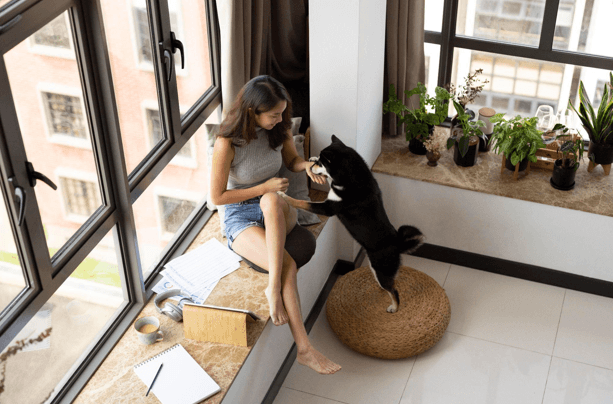
Moving to Phuket with pets is achievable, but it requires planning in two areas at the same time: legal import steps and realistic housing rules. Many renters assume a listing that says pets allowed is enough. In Phuket, pet-friendliness often depends on the landlord, the building management, and the neighbors. The best outcomes come from using a clear timeline, asking the right screening questions, and choosing a home layout that supports pets in a hot, humid climate.
This guide covers what to do before departure, how to choose a pet-friendly area, how to secure a rental without surprises, and how to set up daily life with a dog or cat in Phuket.
Before Moving: Thailand Pet Import Basics and a Simple Timeline
Thailand’s pet import requirements can change and may vary by origin country and port of entry, so verification with Thailand’s official animal quarantine authority and the chosen airline is essential. A practical approach is to plan at least 8 to 12 weeks ahead to avoid rushed paperwork and travel stress.



Most dog and cat moves follow these checkpoints:
- Microchip identification is commonly required and is also a practical safety step for reunification if a pet gets lost.
- Rabies vaccination must be current and correctly timed before travel, based on Thailand’s rules and the origin country’s requirements.
- A health certificate is typically issued shortly before departure by an authorized veterinarian and may require official endorsement depending on where the pet is coming from.
- An import permit or pre-notification may be required as part of the process managed by animal quarantine authorities.
- Arrival procedures usually include document inspection. Quarantine risk increases if the paperwork is incomplete or if the origin country is considered a higher risk.
Travel planning also matters. Many relocation specialists recommend crate training early, choosing direct flights where possible, avoiding peak heat hours for departure and arrival, and confirming airline heat embargo policies. These steps reduce handling risk and heat exposure, which is important for brachycephalic breeds and older pets.
Choosing Where to Live in Phuket With Pets
Phuket does not have one best area for pets. The best fit depends on lifestyle, budget, and how much outdoor space is needed. The selection process works best when it focuses on practical daily factors instead of popularity.
Key decision factors:
- Walkability and safe routes: Sidewalks are inconsistent, and traffic can be fast. Quiet sois and lower traffic zones often work better for daily walks.
- Access to green space: Shade, calmer streets, and nearby open areas matter more than being close to tourist attractions.
- Vet and emergency access: Travel time to a clinic is critical during illness or injury. Living closer to vet clusters in expat-heavy areas can reduce stress.
- Housing stock: Condo-heavy neighborhoods typically have more restrictions, while villa and house areas often provide more flexibility.
- Noise and density: Tourist hubs can bring fireworks, loud events, and busy roads, which can be difficult for anxious pets.
Area types to consider:
- Residential family-oriented zones: Often quieter, with more houses and better chances of a private yard.
- Tourist hubs: Convenient, but pet rules can be strict, especially in condos with shared elevators and corridors.
- Hillside and villa zones: More space and privacy, but fencing quality, steep roads, wildlife, and heavy rain access should be checked carefully.
What Pet Friendly Means in Phuket Rentals
In Phuket, pet-friendly is a negotiation and a rule check, not a label. Two properties can both advertise pets allowed but have completely different boundaries on size, number, and behavior expectations.
Common local realities:
- Many landlords allow only small pets, such as cats or small dogs.
- Condo buildings often have juristic person rules that override a unit owner’s preference. Even if the owner agrees, the building may prohibit pets.
- Houses and villas tend to be more flexible, especially when they have private outdoor space and fewer shared areas.
Deposits and fees are also part of the local reality. Pet deposits and higher cleaning fees are common, and the most important protection is getting all terms written into the lease.
For buyers exploring more space, private yards, and fewer shared building constraints, villas can be a practical path. Relevant inventory can be reviewed here: Phuket house for sale.
Condo vs House or Villa: Which Works Better for Pets
A condo can work well for cats and smaller dogs if the building permits pets and if the unit layout supports ventilation and quiet. However, shared spaces increase friction risk, and rules can be strict about elevator use and carrying pets.
A house or villa often fits pets better because it can offer:
- Fenced boundaries and controlled outdoor time
- More room for crates, beds, and cooling equipment
- Less noise transfer to neighbors
- Easier routines for toileting and exercise
For villas, the fence and gate quality matter as much as the number of bedrooms. A pet-friendly villa should be evaluated like a safety system: gaps, latch strength, climb points, and how rain runoff affects the yard during the monsoon season.
See also: Securing Your Future: Understanding Life Insurance in Australia
Screening Questions and Lease Clauses to Secure a True Pet-Friendly Home
A renter should treat pet permission like any other contract term. Verbal yes is not enough. The lease should be explicit and detailed.
Questions to ask landlords or agents:
- Are pets allowed by both the landlord and the building rules if it is a condo
- Any size, breed, number, or weight limits
- What is the pet deposit or cleaning fee, and what makes it refundable
- Are there fenced boundaries, and who maintains them
- Any known neighbor sensitivities or past complaints
- Can pet terms be written into the lease before signing
Lease clauses worth including:
- Pet type and number limits
- Indoor and outdoor rules and balcony rules
- Damage responsibility for floors, screens, odor, and landscaping
- Noise complaint process and response timeline
- Flea and tick control and any fumigation responsibilities
- Whether additional pets require written permission
- End-of-Lease Deep Cleaning Expectations
This level of clarity aligns with a growing trend: landlords increasingly formalize pet clauses due to past damage and complaints. It can feel strict, but it also protects both sides when written properly.
Daily Pet Care in Phuket’s Tropical Climate
Phuket’s heat and humidity shape daily routines. Pets can overheat quickly, and the risk is higher for short-nosed breeds, overweight pets, seniors, and animals newly arrived from cooler climates.
Practical heat management:
- Walk early in the morning and later evening
- Check pavement temperature before long walks
- Provide constant fresh water and shaded rest areas
- Use fans or cooling mats indoors
- Never leave a pet in a parked vehicle
Parasites and mosquito exposure can be year-round. Fleas, ticks, and mosquitoes are common in warm climates, so prevention needs to be consistent rather than seasonal. A local vet visit soon after arrival helps align parasite prevention with Phuket conditions and the pet’s lifestyle.
Environmental hazards to plan for:
- Stray dogs in many areas, which can create tense walk situations. Route selection and calm handling reduce risk.
- Wildlife such as snakes, toads, and monitor lizards in some neighborhoods. Supervision is important, especially in gardens.
- Monsoon season challenges, including standing water and higher disease risk, such as leptospirosis. A vet can advise on vaccines and prevention.
Veterinary Care, Services, and Costs in Phuket
Phuket has veterinary clinics and pet service providers that cater to locals and expats. Availability varies by area, and emergency hours are not universal, so planning matters.
What to set up:
- A primary vet for routine care and advice
- A nearest emergency option with confirmed hours and directions
- A plan for transport if the household does not have a car
Service categories that support pet-friendly living:
- Boarding and kennels for travel days
- Pet sitters for long workdays or short trips
- Grooming, which is often important in humidity for skin and coat health
- Training support if a pet becomes reactive after travel stress
- Pet taxis for vet visits
Pet insurance availability and coverage can differ from Western markets. Some residents choose to self-insure with a dedicated savings buffer for routine care and emergencies.
A Simple First 30 Days Checklist After Arrival
A structured first month reduces problems and helps pets adjust:
- Book a vet appointment soon after arrival
- Update ID tags and confirm microchip details
- Test walking routes for traffic, shade, and stray dog presence
- Confirm the nearest emergency clinic and save contact details
- Start a consistent parasite prevention routine based on vet advice
- Evaluate the home for escape points, screen gaps, and gate latches
- Monitor heat tolerance and adjust exercise timing
Common Mistakes to Avoid
The most common issues come from assumptions:
- Assuming pets are allowed in a listing means the building allows pets
- Skipping written lease clauses about pet terms
- Underestimating heat exposure and midday walk risk
- Choosing a busy tourist zone without considering noise, fireworks, and traffic
- Not planning for strays, especially on regular walking routes
Moving to Phuket with Pets
Moving to Phuket with pets works best when it is treated as a two-part project: compliant relocation and pet-friendly housing selection. A clear 8 to 12 week timeline, early crate training, and airline heat checks reduce travel risk. On the housing side, success comes from verifying building rules, choosing an area with safe daily routines, and writing detailed pet clauses into the lease. With the right property and realistic day-to-day planning, Phuket can support a comfortable and pet-friendly lifestyle for both newcomers and long-term residents.