There was a time when giving out your phone number online felt normal. You signed up for an app, entered your number, received a code, and moved on.
But in 2026, more people are thinking twice.
The modern phone number is no longer just a contact detail. It’s a digital anchor — linking apps, email accounts, social platforms, payment tools, and identity recovery systems together.



And not everyone wants that level of connection for every online signup.
The Problem With “Permanent” Numbers
When you use your primary mobile number for:
- app registrations
- newsletters
- online marketplaces
- trials and one-off tools
- secondary Gmail accounts
you create a permanent bridge between your identity and those services.
Even if you stop using the platform, the connection remains.
Over time, this can lead to:
- unwanted marketing
- spam
- data aggregation across platforms
- increased exposure in case of breaches
Why Disposable Verification Is Becoming Common
Many users are now adopting a simple rule:
Permanent identity for permanent accounts.
Temporary identity for temporary use.
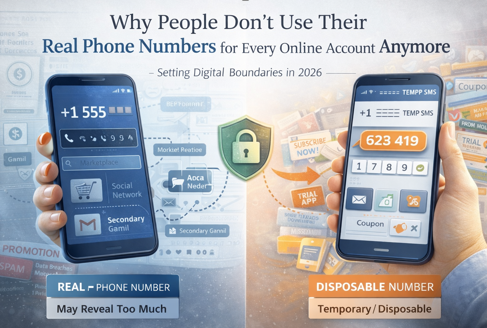
When setting up short-term or utility Gmail accounts, some people use a disposable number for gmail verification to receive the required SMS code without linking their lifelong phone number to an account they may only use occasionally.
The intention isn’t to avoid security. It’s to avoid over-attachment.
See also: technical performance data summary
A Cultural Shift in Digital Behavior
Just like people stopped using one password everywhere, they’re also stopping the practice of using one phone number for everything.
The logic is similar:
- diversify credentials
- reduce single-point dependency
- limit exposure
A phone number today often functions as an identity recovery tool. Protecting it means being selective about where it’s used.
When It Makes Sense to Separate
People commonly avoid using their real number for:
- one-time downloads
- test accounts
- marketplace browsing accounts
- side projects
- secondary inboxes
- promotional signups
The key idea is proportionality. Not every account deserves your core identity data.
The Bigger Picture: Digital Boundaries
Online life has expanded dramatically in the past decade. Work, learning, entertainment, finance — everything flows through digital channels.
With that expansion comes a need for boundaries.
Disposable numbers, secondary inboxes, and segmented identities aren’t signs of secrecy. They’re signs of maturity in digital behavior.
As people become more aware of how interconnected their data is, separating temporary activity from permanent identity is simply a practical response.