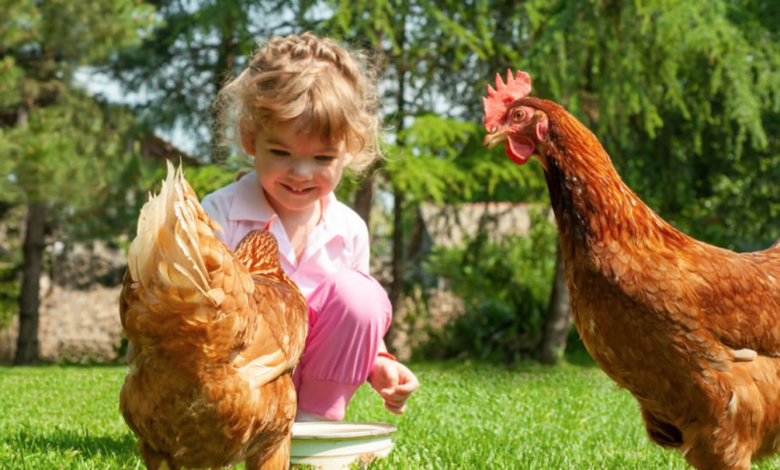
Backyard chickens have become a familiar part of Australian home life. For some households, they are a practical way to enjoy fresh eggs and reduce food waste. For others, they are part of a slower, more connected lifestyle that brings daily routine, outdoor activity and a surprising amount of personality into the backyard.
But chickens are not simply egg-laying machines with feathers. They are social animals with complex behaviour, subtle communication and clear group dynamics. A healthy flock is not only measured by the number of eggs in the nesting box, but by how the birds move, feed, rest, interact and respond to changes in their environment.
This is where chicken keeping becomes more interesting than many people expect. A flock can tell you a great deal about its wellbeing if you know what to watch for. Changes in behaviour, posture, appetite, laying habits or social interaction can be early clues that something is not quite right.




Understanding flock dynamics can help owners provide better care, reduce stress and recognise potential health issues earlier. It also encourages a more respectful view of chickens as intelligent, social animals with needs that go well beyond feed, water and a secure coop.
Chickens Are Social Animals, Not Just Backyard Livestock
Chickens naturally live in groups, and their social structure influences almost every part of their day. They feed together, dust bathe near each other, roost as a group and use vocal signals to communicate about food, danger and territory.
Most people have heard of the “pecking order”, but it is often misunderstood. In a stable flock, the pecking order is not constant chaos or bullying. It is a social ranking system that helps reduce conflict once each bird understands its place.
Problems usually arise when that order becomes unstable. This can happen when new birds are introduced, space is limited, food access is uneven or one bird becomes unwell and is treated differently by the group.
A healthy flock will still have occasional squabbles, especially around food or nesting areas. However, repeated chasing, feather loss, injury, isolation or one bird being prevented from eating are signs that the social balance needs attention.
Good chicken care starts with watching the flock as a group, not just checking each bird individually.
See also: What Needs to Consider Installing a Whole-Home Backup System?
Why Behaviour Is One of the First Health Clues
Chickens often hide weakness. Like many prey animals, they may not show obvious signs of illness until a problem is advanced. This means behaviour is one of the most useful early indicators of health.
A chicken that normally rushes to food but starts hanging back may be signalling discomfort. A bird that stops dust bathing, isolates from the flock or sits fluffed up for long periods may be unwell. A hen that is suddenly aggressive, lethargic or reluctant to leave the coop may also be responding to stress, pain or an underlying health issue.
Owners should pay attention to changes such as:
- Reduced appetite or drinking
- Sitting apart from the flock
- Sudden aggression or withdrawal
- Changes in droppings
- Laboured breathing or unusual posture
- Reduced egg production
- Feather loss not linked to normal moulting
- Reluctance to perch, scratch or move normally
None of these signs should be viewed in isolation. A hot day, a moult or a minor flock dispute can temporarily affect behaviour. But when changes persist or appear suddenly, they are worth taking seriously.
Understanding backyard chicken behaviour can help owners recognise when flock tension, illness or environmental stress may be affecting social health.
The Pecking Order Can Reveal More Than Rank
The pecking order is one of the most visible parts of chicken behaviour. Higher-ranking birds usually eat first, claim preferred roosting spots and may move lower-ranking birds away from resources.
In a healthy flock, this hierarchy should settle into a predictable rhythm. There may be small corrections, a quick peck or a bit of posturing, but it should not result in ongoing distress or injury.
When the pecking order becomes aggressive or unstable, owners should look for causes. Overcrowding is one of the biggest triggers. Chickens need enough space to move away from conflict, access food without being blocked and roost without constant competition.
Resource pressure is another common issue. If there is only one feeder, one water point or limited nesting space, dominant birds may control access. Adding extra feeding stations, water sources and visual barriers can reduce tension.
New birds should also be introduced gradually. Placing unfamiliar chickens directly into an established flock can create stress for both the newcomers and existing birds. A slow introduction, with a period of visual contact before full mixing, usually works better.
The goal is not to eliminate hierarchy. It is to make sure the hierarchy does not prevent birds from meeting their basic needs.
Egg Changes Can Reflect Flock Wellbeing
Eggs are one of the easiest things for owners to monitor, and changes can sometimes reflect broader health or welfare issues.
A sudden drop in laying may be linked to normal seasonal changes, moulting, age, heat, stress, poor nutrition, parasites or illness. Soft-shelled eggs, thin shells, unusual shapes or repeated laying problems may also suggest that something needs review.
Diet plays a major role in egg health. Laying hens need appropriate nutrition, including calcium, protein and access to clean water. They also benefit from fresh greens, safe foraging opportunities and a balanced routine.
Stress can affect egg production as well. Predator pressure, excessive noise, overcrowding, bullying, sudden changes in housing or poor nesting conditions can all influence laying patterns.
Owners should avoid treating egg production as the only sign of success. A hen can still be laying while dealing with stress or early illness. Equally, a temporary reduction in eggs is not always a crisis.
The value of monitoring eggs is that it gives owners one more clue. When egg changes appear alongside behaviour changes, weight loss, poor feather condition or social withdrawal, it may be time to seek veterinary advice.
Space, Enrichment and Routine Matter
Chickens are active animals. They scratch, peck, forage, dust bathe, explore and rest throughout the day. A backyard setup that allows these behaviours will usually support better welfare than one that simply contains the flock.
A good chicken environment should include a secure coop, safe outdoor access, dry areas, shade, clean water, suitable feed, dust bathing space and protection from predators. Roosts should be appropriate for the size and age of the birds, while nesting boxes should be quiet and accessible.
Enrichment does not need to be complicated. It can include:
- Leafy greens hung at pecking height
- Logs, branches or safe objects to explore
- Scatter feeding to encourage foraging
- Dust bathing areas with dry soil or sand
- Multiple feeders and water points
- Safe garden areas for supervised scratching
Routine also matters. Chickens generally cope better when feeding, opening, closing and cleaning routines are predictable. Sudden changes can create stress, especially in smaller or more sensitive flocks.
Good enrichment is not about turning the backyard into a theme park. It is about giving chickens the chance to behave like chickens.
When Flock Stress Becomes a Health Problem
Stress in chickens can be easy to overlook because it may not look dramatic at first. A stressed bird may simply become quieter, stop interacting normally or spend more time away from the group.
Common stress triggers include heat, predators, cramped housing, bullying, poor ventilation, unsuitable diet, parasites and frequent disruption. Even changes in flock membership can create a period of tension.
Long-term stress can affect immunity, laying, feather condition and behaviour. It may also increase the risk of aggressive pecking or make existing health problems worse.
Heat stress deserves particular attention in Australian backyards. Chickens can struggle in hot weather, especially if shade, ventilation and cool water are limited. Panting, wings held away from the body, lethargy and reduced appetite can all be warning signs.
Predator stress can also affect flock wellbeing, even when no attack occurs. Dogs, foxes, snakes, cats or birds of prey near the enclosure can make chickens feel unsafe. A secure coop and run are not only about physical protection, but also reducing repeated fear responses.
A calm flock is not always a healthy flock, but a constantly stressed flock is rarely thriving.
The Role of Preventative Care
Backyard chickens are often treated differently from other pets, but they still benefit from informed healthcare. Preventative care can help owners identify issues before they become more serious.
A veterinary check may be useful for concerns around weight loss, respiratory signs, lameness, egg-laying problems, wounds, parasites, crop issues or unexplained behaviour changes. For flock-level concerns, owners may also need advice on diet, housing, biosecurity and parasite control.
Preventative care is especially helpful when owners are new to chickens. Many problems begin with well-intentioned but incomplete advice. A coop may be secure but poorly ventilated. A diet may appear generous but lack balance. A flock may look settled until one bird is quietly excluded from food.
Biosecurity is another area worth considering. New birds should be quarantined before joining an existing flock, and equipment should be kept clean. Owners who visit other poultry properties or farms should be mindful of bringing contamination home on shoes, clothing or tools.
Good flock health is built on daily observation, sensible management and early intervention when something changes.
Children, Families and Backyard Chicken Care
Chickens can be excellent animals for families because they teach responsibility, observation and respect for living creatures. Children often enjoy collecting eggs, topping up water and watching different personalities emerge within the flock.
However, adults should remain responsible for welfare. Chickens are delicate animals and can be injured by rough handling. Children should be taught how to move calmly around the flock, wash hands after contact and recognise that chickens need rest and space.
Family chicken keeping works best when care is structured. Everyone should know who is responsible for feeding, water, cleaning and evening lock-up. Missed routines can quickly lead to welfare problems, especially in hot weather or predator-prone areas.
Chickens also provide a good opportunity to teach children that animals communicate in different ways. A chicken does not need to bark, meow or cry to show discomfort. Posture, movement, appetite and social behaviour all matter.
This kind of awareness can help children develop a more thoughtful relationship with animals in general.
A More Respectful Way to Keep Chickens
Backyard chickens are often seen through a practical lens. They provide eggs, eat scraps and add character to a garden. While all of that may be true, it does not fully capture what these animals need or how much they can reveal through their behaviour.
A healthy flock has rhythm. Birds move with purpose, interact without constant conflict, eat confidently, dust bathe, perch, forage and respond to their environment. When that rhythm changes, owners should pay attention.
Good chicken keeping is not about chasing perfect egg numbers or creating a flawless backyard setup. It is about understanding the birds in front of you and noticing when their behaviour, social structure or environment begins to shift.
For many owners, this is the most rewarding part of keeping chickens. The more you observe them, the more you realise they are not simple animals at all. They are social, responsive and expressive in ways that deserve careful attention.
When owners learn to read the flock, they become better equipped to support both health and welfare. That means happier birds, fewer preventable problems and a backyard that feels more like a living system than a simple egg supply.