Electricity now supports nearly every aspect of daily home life, from cooking and heating to communication and security. A short outage that once felt like a minor inconvenience can now disrupt work schedules, food storage, and home safety systems. Many households rely on constant internet access for school, remote work, and essential services. Medical devices, smart thermostats, and security cameras all depend on stable power to function correctly. As homes become more connected, the impact of even a brief blackout becomes more serious. In this article, the key situations where a whole-home backup system makes practical sense will be explored.
1. You Live Where Power Outages Are Common
Areas Hit Frequently by Storms and Hurricanes
Homes located in regions with frequent severe weather often experience repeated power interruptions throughout the year. High winds, heavy rain, snowstorms, or ice can damage power lines and delay repairs for hours or even days. During these periods, refrigeration, heating, and lighting may all be unavailable at the same time. Families may find themselves relying on flashlights and coolers, which only offer temporary solutions. Extended outages can also create safety risks, especially at night or during extreme temperatures. A whole-home backup system provides a stable power source that keeps essential systems running without constant manual intervention.
Regions with an Aging or Unstable Power Grid
Some neighborhoods experience outages not because of weather, but due to older electrical infrastructure. Overloaded transformers and outdated wiring can lead to unexpected blackouts, sometimes during peak usage hours. These interruptions may be brief but occur often enough to disrupt daily routines. Repeated sudden shutdowns can also stress home appliances and electronics over time. Residents in such areas benefit from a backup solution that automatically bridges gaps in grid reliability. Consistent power helps maintain comfort while also protecting valuable household equipment.

2. Your Health or Safety Depends on Reliable Power
Home Medical Equipment Users
Many households rely on powered medical devices such as oxygen concentrators, CPAP machines, or refrigerated medications. Even a short power loss can create urgent health concerns for individuals who depend on this equipment. Battery-powered backups for single devices may not last through a long outage. A whole-home system supports multiple medical and household loads simultaneously. This ensures that both life-supporting equipment and basic home functions remain available. Reliable backup power reduces stress and improves overall safety for medically vulnerable residents.
Households with Elderly or Vulnerable Members
Older adults and young children are more sensitive to temperature extremes and sudden environmental changes. During a winter outage, indoor temperatures can drop quickly, creating dangerous conditions. In summer, lack of air conditioning may lead to overheating or dehydration. Darkness can also increase the risk of falls or accidents inside the home. A backup power system keeps climate control, lighting, and essential appliances operating as usual. This added layer of protection supports a safer and more comfortable living environment for those who need it most.
3. Your Work or Business Requires Constant Connectivity
Full-Time Remote Employees
Working from home depends heavily on uninterrupted electricity and internet access. A sudden outage can shut down computers, monitors, routers, and charging stations at once. Missed meetings, lost progress, and communication gaps can quickly affect productivity. While small battery backups may protect a single device, they rarely support an entire workspace. A whole-home system maintains power for office equipment as well as lighting and climate control. This allows remote professionals to continue working with minimal disruption.
Owners of Home-Based Businesses
Many small businesses now operate directly from residential properties. Services such as online retail, consulting, and digital content creation rely on stable power for daily operations. A blackout can delay orders, interrupt customer communication, and affect revenue. Some businesses also use powered tools or specialized equipment that cannot tolerate sudden shutdowns. Whole-home backup systems help maintain continuity during unexpected outages. This stability protects both business reputation and long-term productivity.
4. You Want to Prevent Costly Home Damage
Avoid Frozen Pipes and Basement Flooding
Power failures during winter can disable heating systems, allowing pipes to freeze and burst. Water damage from broken pipes can be expensive and time-consuming to repair. In other seasons, sump pumps may stop working, increasing the risk of basement flooding during heavy rain. Even a few hours without these systems can lead to serious property damage. A backup system keeps critical home protection equipment running automatically. Continuous power helps prevent avoidable repairs and long-term structural issues.
Stop Food Spoilage and Security System Failures
Refrigerators and freezers begin to lose safe temperatures within hours of a power loss. Spoiled food creates waste and additional expense, especially for larger households. At the same time, home security systems and smart locks may stop functioning without electricity. This can leave properties more vulnerable during already stressful situations. A whole-home backup solution keeps appliances and security systems powered together. Maintaining these essentials protects both household supplies and personal safety.
See also: Discover the Best Tech Guitars with Detachable Neck
5. You Value Uninterrupted Comfort and Peace of Mind
Families with Young Children or Pets
Young children often struggle with sudden changes in environment, especially during dark or quiet outages. Pets may also become anxious when normal household sounds and lighting disappear. Maintaining lighting, temperature control, and familiar routines helps reduce stress for everyone in the home. Backup power supports everyday activities like preparing meals and keeping devices charged. This stability is particularly important during nighttime outages. A whole-home system allows families to focus on care and comfort rather than emergency adjustments.
Homeowners Who Prioritize Preparedness
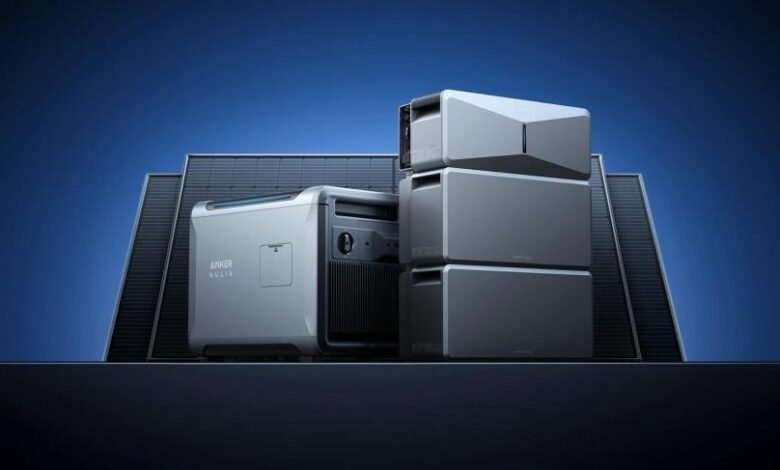
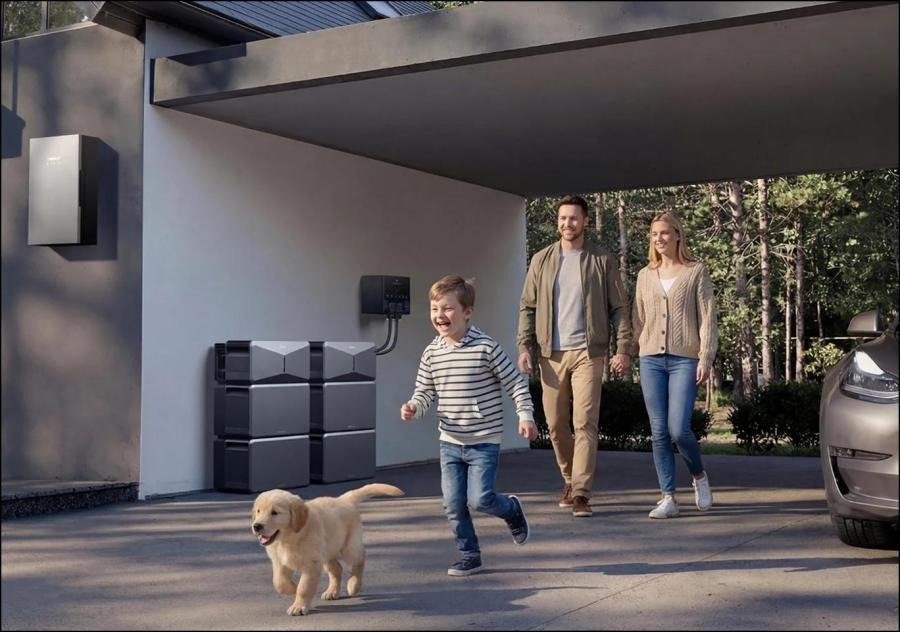
Some households prefer to plan ahead rather than react to emergencies as they happen. Backup power is part of a broader approach that includes safety supplies and home maintenance planning. Modern systems can be paired with solar energy, reducing reliance on fuel while supporting longer backup durations. Solutions such as the Anker SOLIX E10 combine battery storage with renewable input and intelligent energy coordination, making them adaptable for varying home needs. This type of setup supports essential circuits while also handling larger household loads when required. Prepared homeowners gain confidence knowing daily life can continue even when the grid goes down.
Conclusion
Power reliability now affects comfort, safety, health, and productivity in everyday life. Households facing frequent outages, medical needs, or work-from-home demands benefit most from a comprehensive backup solution. Pairing battery storage with solar input can extend backup time while supporting more sustainable energy use. Systems designed to manage both everyday loads and short-term surges, including options like Anker SOLIX backup battery for home, fit naturally into modern homes that depend heavily on electricity. Choosing the right setup ultimately provides stability, protection, and peace of mind when it matters most.