Owning a swimming pool brings countless hours of relaxation, fun, and exercise. Yet, like any major feature of your home, pools require regular care and sometimes repairs. Understanding the basics of swimming pool repair can help homeowners identify issues early, extend the lifespan of their pool, and avoid costly damage.
Why Swimming Pool Repairs Are Necessary
Swimming pools are exposed to constant stress—water pressure, weather changes, chemical treatments, and regular use. Over time, wear and tear can cause cracks, leaks, or malfunctioning equipment. Minor issues left unattended can quickly escalate, turning what could have been a small repair into a major project. Being aware of common problems helps pool owners maintain a safe and functional swimming environment.
Common Signs Your Pool Needs Repair
Some pool problems are obvious, while others are more subtle. Watch for these warning signs:


- Water Loss Beyond Normal Evaporation – A steady drop in water level often points to a leak.
- Cracks in Pool Walls or Decking – Structural cracks can worsen with time, potentially leading to serious water damage.
- Discolored or Stained Surfaces – Algae growth, metal deposits, or chemical imbalances may cause stains that require professional treatment.
- Malfunctioning Pool Equipment – Pumps, filters, and heaters that no longer operate efficiently may need repair or replacement.
- Unusual Noises – Loud grinding or humming from pool equipment is a sign that mechanical components are wearing out.
Addressing these issues early prevents damage to surrounding landscaping, decking, and your property’s foundation.
See also: On Time Home Experts Expands Professional Cleaning and Home Services Across Texas
Structural Pool Repairs
One of the most significant categories of pool repair involves the structure itself. Pools built from concrete, gunite, or fiberglass can develop cracks or surface deterioration. In gunite or plaster pools, resurfacing may be necessary every 10 to 15 years. Fiberglass pools may require patching to fix bubbling or surface blistering. Vinyl-lined pools may need liner replacements if the material becomes torn, stretched, or faded.
Structural repairs restore both safety and appearance, ensuring the pool remains watertight and enjoyable for years to come.
Leak Detection and Repair
Leaks are among the most common and frustrating pool issues. They not only waste water but can also increase chemical costs and damage nearby structures. Professionals often use pressure testing, dye testing, and specialized electronic equipment to pinpoint leaks. Depending on the source, repairs may involve sealing cracks, replacing fittings, or repairing underground plumbing.
Equipment Repairs and Replacement
Your pool’s mechanical system is essential for keeping the water clean and safe. Common equipment repairs include:
- Pump Repairs – The pump circulates water, and worn bearings or seals may cause leaks or noise.
- Filter Repairs – Sand, cartridge, or DE filters may clog or tear, reducing water clarity.
- Heater Repairs – Malfunctioning pool heaters often stem from electrical or gas issues that require professional service.
- Automation Systems – Modern pools often use automated systems for cleaning, lighting, and chemical balance; faulty sensors or controllers may need reprogramming or replacement.
Maintaining equipment not only improves water quality but also reduces energy consumption and operational costs.
Coping, Tile, and Deck Repairs
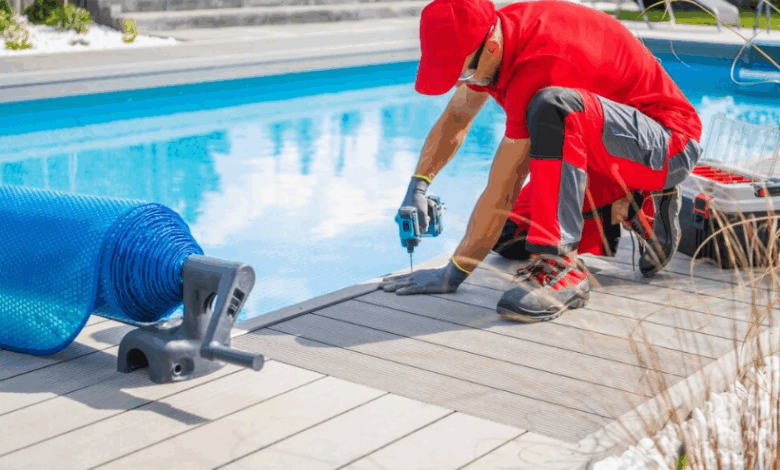
A pool’s aesthetic features also require attention. Coping—the edge between the pool and deck—may crack or loosen, creating safety hazards. Pool tiles can chip, fade, or fall off over time. Decking materials such as concrete, pavers, or stone may settle or crack, leading to uneven surfaces. Repairing these elements not only improves appearance but also prevents accidents.
The Role of Professional Pool Technicians
While some minor maintenance tasks can be handled by pool owners, repairs often require professional expertise. Certified pool technicians bring specialized tools, training, and experience to diagnose and fix problems accurately. Hiring a professional ensures the job is completed safely and in compliance with local building codes.
Preventing Costly Repairs
The best way to reduce repair costs is through regular maintenance. Keep up with routine cleaning, water chemistry balancing, and equipment inspections. Scheduling seasonal checkups—especially before heavy summer use and after winterization—can help identify small problems before they become major concerns. Investing in preventative care ultimately saves money and extends the life of your pool.
Swimming pools are an investment in both your home and lifestyle. Understanding swimming pool repair allows homeowners to spot issues early, make informed decisions, and protect that investment. From fixing leaks and resurfacing walls to maintaining pumps and filters, timely repairs ensure a safe, clean, and beautiful swimming environment. With proper attention and professional support when needed, your pool can continue to provide enjoyment for many years to come.