In today’s fast-paced world, mental health is no longer a background concern—it is central to how we live, work, and relate to one another. Stress, burnout, and emotional challenges affect people across all walks of life. Recognising and prioritising mental wellbeing is not just a personal responsibility but a collective one. When individuals feel supported, understood, and equipped with coping strategies, their overall quality of life improves. Mental health is intertwined with productivity, relationships, and physical health, making it essential to address proactively rather than reactively.
How Awareness Drives Change
Awareness is the first step toward better mental well-being. Many people struggle in silence because they are unsure where to seek support or feel uncomfortable discussing their emotions. Initiatives that focus on education and open conversation help break down stigma. Understanding common challenges, recognising warning signs, and learning practical strategies can empower people to take control of their mental health. Creating an environment where emotional well-being is openly discussed encourages both individuals and organisations to adopt healthier approaches to stress, workload, and interpersonal dynamics.
The Role of Education and Guidance
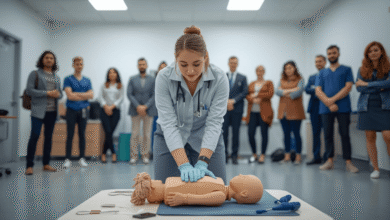
Structured learning opportunities, such as a mental health seminar, provide valuable guidance for managing emotional and psychological challenges. These seminars offer a safe space to explore coping mechanisms, resilience-building techniques, and communication strategies. Participants gain insights into practical tools that can be applied immediately, from mindfulness exercises to effective stress management practices. Beyond knowledge, these sessions foster self-reflection, helping attendees understand their own responses to stress and identify areas where support or change may be needed.



Building Resilience Through Shared Learning
Resilience is not just an individual trait—it is cultivated through connection, understanding, and repeated practice. Engaging with others who are exploring similar challenges can reduce feelings of isolation and normalise the ups and downs of mental health. A mental health seminar often emphasises interactive learning, where participants share experiences, ask questions, and discuss strategies for coping with everyday pressures. This collaborative environment strengthens personal resilience by highlighting practical approaches and demonstrating that challenges are manageable when addressed with awareness and support.
Encouraging Practical Strategies
Education is most effective when paired with actionable steps. Workshops and seminars often provide exercises designed to build practical skills for emotional regulation, stress management, and mindful decision-making. Participants learn how to incorporate these strategies into daily routines, whether at work, at home, or in social contexts. These skills not only improve individual well-being but also positively influence relationships and teamwork. By practising small, intentional changes, people gradually develop healthier habits that sustain emotional balance and prevent burnout.
Creating Supportive Environments
Individual learning is powerful, but the broader environment plays a significant role in sustaining mental health. Encouraging open dialogue, promoting empathy, and providing access to resources creates a culture that values well-being. When organisations and communities prioritise mental health, individuals feel safer seeking help and more confident implementing strategies learned in seminars. Supportive environments reinforce learning, making it easier for participants to translate knowledge into long-term behavioural changes.
See also: How Invisalign Treatment Boosts Confidence and Oral Health
Moving Toward a Healthier Future
Prioritising mental health is a proactive investment in personal and collective wellbeing. Participating in a mental health seminar equips individuals with knowledge, practical strategies, and confidence to navigate challenges more effectively. It also reinforces the importance of community, understanding, and shared growth. By focusing on resilience, awareness, and actionable skills, people can improve their emotional well-being while contributing positively to their workplaces, families, and communities. When minds are nurtured and supported, individuals thrive, relationships strengthen, and societies become healthier.