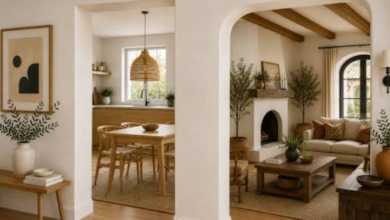
Designing for well-being focuses on creating environments that support physical comfort, mental clarity, and emotional balance. It goes beyond aesthetics to shape spaces that improve how people live and work by promoting health and resilience. Comfort and care in design directly influence productivity, reduce stress, and foster a positive atmosphere in both homes and workplaces.
Sunpan furnishings exemplify this approach by offering products that blend functional design with thoughtful comfort. Their pieces contribute to environments that nurture well-being, integrating seamlessly into spaces where balance and care are priorities. These furnishings highlight the role of intentional design in enhancing everyday experiences through quality materials and user-centered features.
Fundamentals of Designing for Well-Being
Designing for well-being integrates multiple factors that influence how individuals experience comfort and care within their environments. It involves the strategic application of principles aimed at enhancing physical and mental health while drawing on environmental psychology insights to optimize spaces.



Key Principles and Frameworks
Designing for well-being rests on standards like the WELL Building Standard and Fitwel, which provide criteria focused on improving health outcomes. These frameworks prioritize air quality, lighting, thermal comfort, and access to nature, all proven to affect physical and mental health.
Key design principles include:
- Ergonomics: Ensuring spaces adapt to human body needs.
- Biophilic Design: Integrating natural elements to reduce stress.
- Inclusivity: Addressing accessibility to support diverse populations.
Organizations such as Spectrum Healthcare advocate for these principles to promote healthcare through better environmental design. Their approach emphasizes adaptable, restorative environments that support users’ holistic needs.
Physical and Mental Health Impacts
Well-designed environments significantly affect health and well-being. Good design improves sleep quality, reduces stress-related symptoms, and lowers risk factors for chronic illnesses by optimizing ventilation, daylight exposure, and noise control.
Mental health benefits include enhanced focus, mood regulation, and reduced anxiety through calming aesthetics and spatial organization. Spaces that encourage movement and social interaction also support psychological resilience.
Influence of Environmental Psychology
Environmental psychology studies how physical surroundings influence behavior, emotion, and cognitive function. It informs design practices by revealing how spatial layout, color, and sensory experiences impact well-being.
For example, environments that provide a choice of privacy or social interaction improve satisfaction and reduce stress. Natural light and views to greenery activate positive physiological responses, supporting recovery and mental clarity.
Understanding these psychological effects allows designers to create spaces that nurture emotional balance and support healthier lifestyles. This interdisciplinary insight strengthens the connection between architecture, healthcare, and human experience in designing for well-being.
See also: On Time Home Experts Expands Professional Cleaning and Home Services Across Texas
Comfort, Care, and the Spaces We Occupy
Spaces designed for well-being carefully balance multiple environmental factors to support physical health and mental comfort. Attention to thermal conditions, air quality, lighting, and natural elements creates environments that promote sustained comfort and care.
Thermal Comfort and Indoor Climate
Thermal comfort depends on maintaining a stable thermal environment with appropriate temperature and relative humidity levels. HVAC design plays a critical role, ensuring consistent distribution of conditioned air without drafts or hotspots. Ideal indoor temperatures commonly range between 20°C and 24°C, with relative humidity maintained between 40% and 60% to prevent dryness or excess moisture.
Efficient HVAC systems also balance energy consumption and occupant comfort. Proper insulation and airtight construction contribute to maintaining thermal comfort while supporting energy efficiency. Adjustability of thermal controls allows occupants to customize their environment according to personal preferences or changing conditions.
Air Quality, Ventilation, and Materials
Indoor air quality significantly influences occupant health and comfort. Proper ventilation removes pollutants and controls carbon dioxide buildup. Mechanical and natural ventilation strategies work together to supply fresh air and minimize contaminants.
Volatile organic compounds (VOCs) emitted from synthetic materials can degrade air quality. Using sustainable, low-VOC materials reduces exposure to harmful chemicals. Selective integration of non-toxic paints, adhesives, and furnishings supports healthier indoor environments while aligning with sustainable design principles.
Lighting, Daylight, and Circadian Health
Lighting affects mood, alertness, and biological rhythms. Access to natural light, or daylight, is essential for maintaining circadian health. Well-designed spaces maximize window placement and light reflection to bring daylight deeper into rooms.
Circadian lighting systems simulate natural light variations throughout the day, supporting sleep-wake cycles. Balancing artificial and natural light reduces eye strain and enhances concentration. Energy-efficient LED lighting with tunable color temperatures enables this dynamic environment while conserving power.