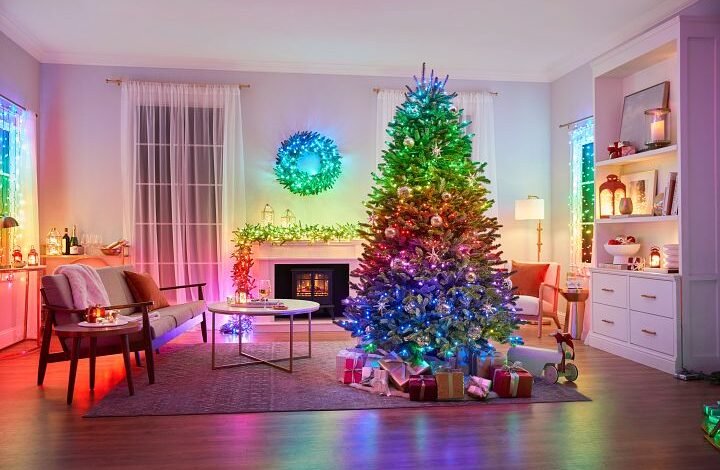
The joy of decorating your home for the holidays with twinkling lights is a tradition cherished by many. But for a truly memorable and cohesive display, the color scheme you choose should harmonize with your home’s style, materials, and architecture. When the lights complement your home’s exterior, they don’t just look festive—they elevate the curb appeal and create a stunning seasonal ambiance. Whether your home is made of rustic brick, painted wood, stone, or sleek modern materials, picking the right color combinations can make all the difference.
Why Color Coordination Matters
Color coordination in holiday lighting goes beyond aesthetics—it helps tell a story and creates atmosphere. Clashing colors or overly busy combinations can make even the most elaborate light display feel chaotic, while a well-chosen palette brings elegance and intentionality. By taking cues from your home’s architectural elements and exterior palette, you can make lighting choices that feel natural and cohesive. Think of your home as the canvas and your Christmas lights as the brushstrokes that bring the winter scene to life.
See also: Life in a Sober Living Home: A Day in the Life of a Resident




Lighting for Brick and Traditional Homes
Brick homes, especially those in shades of red, brown, or terracotta, exude warmth and tradition. These homes benefit most from classic light choices that enhance their timeless charm. Warm white lights are an ideal match, as they echo the natural hues of the brick and create a soft, inviting glow. Red and green accents work beautifully on these homes as well, especially when used sparingly to avoid overwhelming the overall look. For homeowners who want a more vibrant holiday display, adding gold or amber tones can introduce a rich, luxurious feel without disrupting the visual harmony.
Traditional homes with gables, symmetrical windows, and colonial details also lend themselves to more classic color schemes. A combination of warm white and traditional red and green is a foolproof choice, evoking nostalgia and comfort. Lighting that outlines the roofline, door frames, and eaves emphasizes the architectural structure, while net lights on bushes or trees complete the scene with softness and sparkle.
Coordinating Lights with Modern and Contemporary Homes
Modern homes tend to feature clean lines, minimalistic shapes, and neutral or industrial materials like concrete, metal, and glass. These homes often have cooler color schemes and benefit from lighting choices that reflect their sleek, understated nature. Cool white lights work exceptionally well, especially when paired with icy blue or silver elements to enhance the minimalist elegance. These tones align with the sharp edges and monochrome palettes typically found in contemporary architecture.
For homeowners who like bold displays but want to maintain a modern feel, using a single color such as blue, green, or even purple can make a powerful statement. The key is consistency—stick to one or two shades and keep the layout symmetrical and structured. LED strip lighting and geometric patterns are also a great fit for modern homes. Avoid traditional multi-colored strands, as they may contrast too sharply with the refined look of the home’s exterior.
Rustic, Craftsman, and Cottage Styles
Rustic and craftsman-style homes, often built with natural materials like wood, stone, and shingle siding, offer a perfect backdrop for cozy and whimsical lighting. These homes typically have earthy or muted paint colors, and their design emphasizes handcrafted details. To complement this style, opt for warm white or golden-hued lights, which pair well with natural materials and emphasize the charm of the architecture.
Multicolor lights can also work wonderfully with rustic homes, especially when used with intention. Try mixing warm reds, greens, and yellows for a nostalgic feel that matches the inviting, handmade quality of craftsman design. Wrapping tree trunks and porch columns in mini lights or hanging curtain lights across a front patio adds to the layered, cozy aesthetic. Stay away from harsh blue or bright white LEDs, which can look too sterile in contrast with rustic textures.
Farmhouses and Country Homes
The modern farmhouse style, with its white exteriors, black trim, and barn-style touches, is one of the most popular home trends today. This type of home works well with both traditional and contemporary color schemes. You can lean into the country charm with warm white lights, red ribbons, and green wreaths for a classic holiday look. Or, for a cleaner, modern approach, stick with cool white lights and soft silver or blue accents.
Because farmhouses often feature wraparound porches and exposed beams, take advantage of these architectural details by outlining them with lights. Drape string lights along porch railings, wrap trees and columns, or hang lanterns for a rustic-chic effect. Choosing a restrained palette of one or two colors ensures the display feels polished and intentional.
Coastal and Beach Homes
If you’re lucky enough to live near the water, such as by Lake Michigan, holiday decorating takes on a unique flavor. Coastal homes typically have light siding, open layouts, and breezy design elements. These homes look especially stunning with cool-toned lights—think seafoam greens, aquas, and icy blues paired with soft white LEDs. Nautical-themed decorations can tie in with beach-inspired lights, giving your home a relaxed yet festive holiday glow.
Even in colder coastal regions like Michigan, where snow adds natural brightness, color choices can be playful and serene. Residents shopping for Christmas lights in Holland, MI, for example, often choose displays that echo the town’s charming European-inspired architecture while embracing the snowy lakeside setting. Using soft blues and whites with accents of gold can evoke the shimmer of winter and the calm of the coast.
Final Tips for a Cohesive Look
No matter your home’s style, consistency is the golden rule when decorating with Christmas lights. Stick to a unified color scheme throughout the entire display—even across different lighting types. Mixing too many different hues or temperatures (warm vs. cool white) can create visual confusion. Also, be sure to match the intensity of your lights; combining bright LED strands with dim incandescent bulbs often results in an uneven appearance.
Consider how your lighting looks during both the day and night. Some string lights have visible cords or colored bulbs that might not blend well with your home’s daytime appearance. Look for products with clear or white wiring to reduce visual clutter. And don’t forget the landscaping—trees, hedges, and walkways are perfect places to extend your color scheme, ensuring the whole property shines with unity and cheer.
Conclusion
Christmas lights are more than seasonal decoration—they’re a way to express joy, creativity, and hospitality. By coordinating your light color scheme with your home’s exterior materials, paint colors, and architectural style, you can create a beautiful and cohesive display that delights neighbors and guests alike. Whether you prefer timeless charm, modern elegance, or rustic warmth, the right color palette will highlight the best features of your home while celebrating the spirit of the season.
If you’re looking for high-quality Christmas lights in Holland, MI, consider local shops and installers who can help you choose products that match your home’s style and withstand the winter weather. With thoughtful planning and a creative touch, your home can become a holiday masterpiece that reflects both your personality and the beauty of the season.