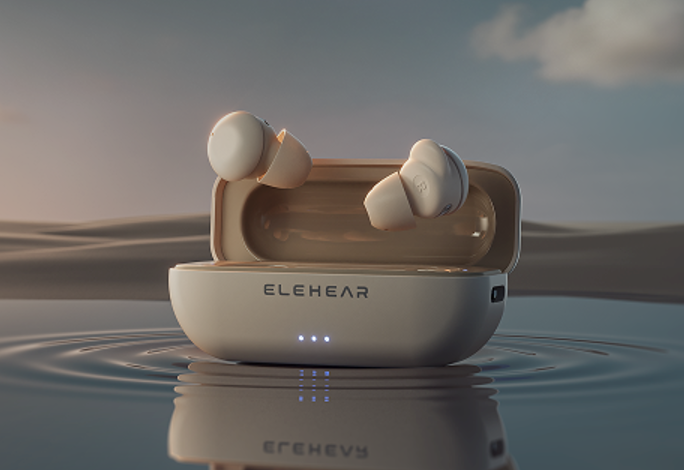
A quiet revolution is reshaping how millions of Americans address hearing loss, and it’s happening not in audiology clinics but on retail shelves and smartphone screens. In August 2022, the FDA finalized a landmark regulation establishing a new category of over-the-counter hearing aids, allowing adults to purchase these devices directly without a prescription, medical exam, or professional fitting. This single policy shift cracked open a market long dominated by a handful of manufacturers and gatekept by clinical channels. But what does this mean in practice? Are OTC hearing aids genuinely democratizing access to better hearing, or do they represent a compromise that leaves some users underserved? This article dives into the heart of that question, examining how these devices are disrupting traditional models, empowering consumers with unprecedented choice and technology, and where their limitations still matter. Whether you’re tech-savvy and curious or actively searching for a hearing solution, the goal here is straightforward: to give you a clear, technology-focused analysis that equips you to make a confident, informed decision in this rapidly evolving landscape.
What Are OTC Hearing Aids? A New Era Defined
Over-the-counter hearing aids are FDA-regulated medical devices that adults can purchase directly from retail stores, pharmacies, or online retailers without needing a prescription, audiological exam, or professional fitting. This category was formally established by the FDA’s final rule in August 2022, creating a distinct regulatory pathway separate from both traditional prescription hearing aids and personal sound amplification products (PSAPs). The distinction matters: PSAPs are not intended to treat hearing loss and aren’t regulated as medical devices, while prescription hearing aids require clinical involvement for fitting and programming. OTC devices occupy a deliberate middle ground—they’re genuine hearing aids engineered to compensate for hearing loss, but designed so consumers can set them up independently.
The defining characteristics of OTC hearing aids center on self-directed use. Most models pair with smartphone apps that guide users through hearing assessments and allow personalized sound adjustments without visiting a clinic. They’re sold direct-to-consumer, eliminating the bundled service fees that traditionally inflated costs. However, they come with clear boundaries. The FDA restricts OTC devices to adults aged 18 and older who perceive mild-to-moderate hearing loss. They cannot deliver the amplification power needed for severe or profound loss, and they lack the precision of real-ear measurements performed by audiologists. For the millions of adults who suspect their hearing has declined but haven’t pursued professional help—often due to cost, stigma, or inconvenience—an otc hearing aid represents the first accessible entry point into treatment.




OTC vs. Traditional Hearing Aids: A Direct Hearing Aid Comparison
When weighing OTC against traditional prescription hearing aids, the differences extend far beyond price tags. Understanding these distinctions helps clarify which path aligns with your specific situation, lifestyle, and hearing needs.
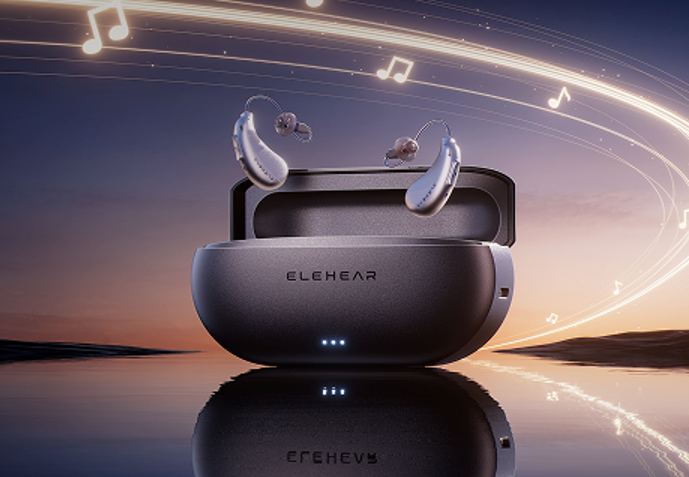
In terms of cost and accessibility, OTC hearing aids have fundamentally disrupted the economics of hearing care. Traditional devices typically involve bundled pricing that wraps the hardware, fitting appointments, follow-up adjustments, and ongoing maintenance into a single package, often requiring insurance navigation or significant out-of-pocket spending. OTC devices unbundle that equation entirely—you pay for the hardware and manage the rest yourself, making entry into hearing amplification dramatically more accessible for budget-conscious consumers.
The fitting process represents perhaps the starkest contrast. Traditional hearing aids involve audiometric testing in a sound booth, real-ear measurements that verify how sound reaches your eardrum, and precise programming by a licensed professional. OTC devices replace this clinical workflow with app-guided self-assessments and adjustable sound profiles. For mild-to-moderate loss, this approach works remarkably well for many users. But for complex hearing profiles—asymmetric loss, unusual audiogram shapes, or loss that borders on severe—professional fitting remains substantially more accurate.
Customization and technology features increasingly overlap between the two categories. Many OTC devices now offer Bluetooth streaming, multiple listening programs, and AI-driven environmental adaptation that rival mid-tier prescription aids. However, traditional devices still lead in directional microphone sophistication, feedback management in challenging acoustic environments, and the granularity of frequency-specific adjustments available to clinicians.
Professional support is where the models diverge most clearly. Traditional channels provide ongoing relationship-based care—adjustments as your hearing changes, counseling on communication strategies, and monitoring for underlying medical conditions. OTC users rely on customer support lines, online communities, and their own troubleshooting abilities. For self-motivated, tech-comfortable adults with straightforward mild-to-moderate loss, OTC excels in convenience and autonomy. For those with complex needs, fluctuating hearing, or who simply prefer guided care, the professional model remains vital.
Evaluating the User Experience: The Power of Customer Reviews
In the absence of a professional recommending a specific device, customer reviews become the primary compass for OTC hearing aid buyers. Unlike prescription aids where an audiologist serves as a trusted filter, OTC purchasers must navigate product claims independently—making authentic user feedback invaluable.
Common praise in OTC reviews clusters around several themes: surprisingly easy initial setup through companion apps, discreet physical designs that feel less stigmatizing than expected, and the satisfaction of immediate sound improvement without waiting weeks for a clinic appointment. Users frequently highlight the empowerment of adjusting their own settings in real time—turning up speech clarity at a restaurant or reducing amplification in quiet settings.
Recurring complaints, however, reveal consistent limitations. Background noise management tops the list—many users report that while OTC devices perform well in quiet environments, crowded spaces with competing voices remain challenging. Comfort issues surface frequently, particularly with universal-fit ear tips that don’t accommodate every ear canal shape. Battery life concerns appear in reviews of smaller, more discreet models where miniaturization trades off against power capacity.
To find trustworthy reviews, look beyond star ratings. Prioritize detailed accounts from users who describe their hearing loss severity, daily use scenarios, and how long they’ve worn the device. Reviews written after 30-plus days carry more weight than first-day impressions, since brain adaptation to amplification takes weeks. Cross-reference feedback across multiple retailers and independent forums rather than relying solely on manufacturer websites, where curation bias may filter negative experiences.
Inside Next-Gen Hearing Technology in OTC Devices
The technology packed into today’s OTC hearing aids would have been unrecognizable just five years ago. These aren’t simplified amplifiers with a volume wheel—they’re sophisticated audio processors that leverage the same engineering principles driving consumer electronics innovation. For tech-savvy users, the feature set rivals what many mid-range prescription devices offered only recently.

Bluetooth connectivity has become table stakes in the OTC category. Most current devices stream audio directly from smartphones, tablets, and computers, functioning simultaneously as hearing aids and high-quality wireless earbuds. Companion apps serve as command centers where users adjust equalizer-style frequency bands, switch between listening programs optimized for conversations versus music, and even run periodic hearing reassessments to refine their sound profiles over time. This puts granular control directly in the user’s hands—no appointment needed to tweak settings after a week of real-world use.
AI-powered sound processing represents the most significant leap forward. Several OTC models now employ machine learning algorithms that continuously analyze the acoustic environment and automatically shift processing strategies. Brands like ELEHEAR have embraced this approach, integrating AI-driven noise reduction and scene detection that adapts in real time. Walk from a quiet office into a busy café, and the device detects the change, suppressing background noise and prioritizing speech frequencies without any manual input. Some systems improve their performance over time by learning user preferences—if you consistently boost treble in certain environments, the AI begins making that adjustment proactively.
Rechargeable batteries have largely replaced disposable zinc-air cells in premium OTC devices, offering full-day use on a single charge and eliminating the frustration of tiny battery replacements. Meanwhile, integrated tinnitus masking features—white noise generators, notch therapy sounds, and nature soundscapes—address the ringing that frequently accompanies hearing loss, providing relief without requiring a separate device. Together, these technologies transform OTC hearing aids from passive amplification tools into adaptive, intelligent systems that users actively engage with and customize to their daily lives.
See also: How Wearable Tech Is Enhancing Player Performance in Golf
How to Choose the Best OTC Hearing Aids for You
Selecting the right OTC hearing aid doesn’t require an audiology degree, but it does demand honest self-reflection and methodical research. The freedom of direct purchase comes with the responsibility of being your own advocate—here’s how to navigate that process with confidence.
Start by assessing your hearing needs and daily lifestyle honestly. Ask yourself where you struggle most: Is it following conversations in restaurants, hearing the television at normal volume, or catching soft speech in one-on-one settings? Consider whether your difficulty seems equal in both ears or worse on one side. Think about your typical environments—if you spend most time in quiet settings, your requirements differ significantly from someone navigating open offices or social gatherings daily. This self-inventory shapes which features actually matter for your situation rather than chasing specifications you’ll never use.
Next, research and shortlist models based on the features that align with your assessment. If you identified noisy environments as your primary challenge, prioritize devices with strong noise reduction algorithms and directional microphone capabilities. If you want seamless integration with your phone for calls and media, Bluetooth streaming quality and app functionality should top your criteria. Read customer reviews from users who describe situations similar to yours—their experiences predict your own far better than marketing copy. Check whether the companion app is well-rated on your phone’s operating system, since a clunky app undermines even excellent hardware.
Before purchasing, understand the trial period and return policy completely. Most reputable OTC manufacturers offer 30 to 60-day trial windows, and this isn’t a courtesy—it’s essential. Your brain needs two to three weeks to adapt to amplification, so first-hour impressions are unreliable. Wear the devices consistently throughout the trial across varied environments before judging performance. Document what works and what doesn’t during this period.
Finally, set realistic expectations for the setup and adaptation process. OTC hearing aids won’t restore the hearing of your twenties—they amplify and clarify within their designed range. The app-guided fitting process typically takes 15 to 30 minutes, but fine-tuning extends over weeks as you discover which adjustments improve specific situations. Plan to revisit your settings multiple times during the first month. If after a full trial period the device isn’t meeting your needs, that’s valuable information too—it may signal that your hearing loss exceeds the mild-to-moderate range and warrants professional evaluation.
Empowering Your Hearing Health in the OTC Era
The OTC hearing aid revolution is no longer a future possibility—it’s actively reshaping how millions of people access and experience hearing care. By dismantling cost barriers, eliminating gatekeeping requirements, and putting sophisticated technology directly into consumers’ hands, these devices have fundamentally expanded who can afford to address hearing loss and how quickly they can act on it. The integration of AI-driven sound processing, Bluetooth connectivity, and intuitive app-based customization means that today’s OTC devices deliver genuine clinical value for adults with mild-to-moderate hearing loss, not just basic amplification.
Yet this transformation doesn’t erase the role of professional audiology. Complex hearing profiles, severe loss, and underlying medical conditions still demand expert evaluation and personalized care. OTC hearing aids are best understood as a powerful new entry point—one that serves many people exceptionally well while also helping others recognize when they need to seek deeper clinical support. The key takeaway is this: you now have more agency over your hearing health than at any previous point in history. Use that agency wisely. Assess your needs honestly, leverage the technology and trial periods available to you, and step into this new landscape with the confidence that informed choice—not inertia—is guiding your path to better hearing.