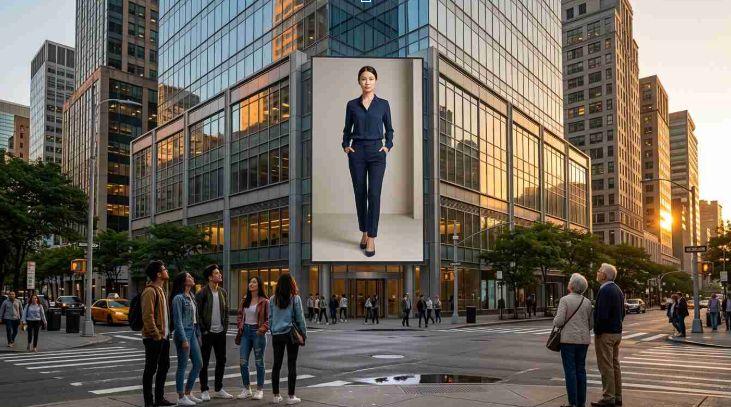
Digital advertising is evolving faster than ever. As attention becomes more fragmented across platforms, brands are under pressure to create content that is not only engaging but also highly relevant to each individual viewer.
Traditional advertising models relied on broad targeting and limited creative variations. Today, that approach is no longer enough. Users expect content that feels tailored, contextual, and visually engaging from the first second.
This is where Face Swap AI is starting to reshape the landscape. By enabling brands to adapt visual identity within creatives, it introduces a new level of personalization that goes beyond messaging and enters the realm of representation. Platforms like Higgsfield are helping marketers adopt this shift by making advanced visual adaptation accessible within modern content workflows.



Understanding Face Swap AI in Advertising
Face Swap AI allows marketers to dynamically modify who appears in a creative while preserving natural expressions and realism. Instead of creating entirely new campaigns for different audiences, brands can adapt existing assets to better match their target viewers.
In a practical advertising context, this enables:
- More relatable ad creatives
- Faster production of multiple variations
- Consistent storytelling across campaigns
- Improved alignment between audience and visuals
This is not just a creative upgrade. It represents a shift in how advertising content is produced and scaled.
The Rise of Programmatic Advertising and Creative Automation
Programmatic advertising has already automated media buying. Ads are now placed, optimized, and delivered in real time based on user data.
However, creative production has traditionally lagged behind. Generating multiple ad variations for different audience segments required significant time and resources.
Face Swap AI bridges this gap.
By integrating visual adaptation into creative workflows, marketers can produce multiple versions of an ad without rebuilding it from scratch. This aligns perfectly with programmatic systems, where personalization happens at scale.
Platforms like Higgsfield support this transition by allowing marketers to integrate visual changes directly into their production pipelines, making creative automation more practical and efficient.
From Segmentation to Individual-Level Personalization
Traditional advertising relies on segmentation. Audiences are grouped based on shared characteristics, and creatives are designed for each group.
Face Swap AI pushes this further.
Instead of targeting a segment, brands can move toward creating content that feels relevant to the individual viewer. This creates a stronger emotional connection because the content feels more aligned with personal identity.
This shift enables use cases such as:
- Ads that reflect the viewer’s demographic context
- Campaigns that feel locally relevant without reshooting
- Visual storytelling that adapts to different audiences
Higgsfield plays a role here by enabling consistent identity adaptation across creatives, allowing brands to scale personalization without losing cohesion.
How Face Swap Fits into Modern Ad Workflows
Face Swap is not a standalone feature. It is part of a broader system where data, automation, and creative production are interconnected.
A simplified workflow looks like this:
- Audience data is collected and analyzed
- Creative variations are generated
- Visual identity is adapted within those creatives
- Ads are delivered dynamically across platforms
If you want to understand how this works in practice, exploring how Face Swap is used within content workflows shows how identity can be adapted efficiently without rebuilding visuals from scratch.
Tools like Higgsfield make this process faster and more accessible, allowing marketers to experiment, iterate, and deploy campaigns without traditional production delays.
Why This Shift Is Happening Now
Several industry shifts are driving the adoption of AI-powered visual personalization.
Consumer expectations have increased significantly. People are more likely to engage with content that feels relevant to them, and generic creatives are often ignored.
At the same time, production speed has become critical. Campaigns are updated frequently, and brands need to respond quickly to trends and user behavior.
According to Think with Google, visual quality and relevance play a major role in how users perceive and trust content, especially in video-driven environments. This reinforces the need for advertising creatives that are not only targeted but also visually aligned with audience expectations.
These changes make tools like Higgsfield increasingly relevant for marketers looking to stay competitive.
See also: labelling solutions: Comprehensive Strategies for Efficient Business Organization and Branding
Key Use Cases in Digital Advertising
Face Swap AI is already being applied across multiple areas of digital advertising.
In localized campaigns, brands can adapt visuals for different regions without reshooting content. This improves relevance while maintaining consistency.
In dynamic creative optimization, multiple ad variations can be tested quickly, improving performance through real-time experimentation.
In influencer-style campaigns, brands can extend the lifespan of existing assets by adapting visuals for different audiences.
In video advertising, personalized visuals can increase engagement and retention by making content feel more relatable.
Across all these use cases, the goal remains the same: delivering content that feels more aligned with the viewer.
The Impact on Performance and Engagement
Personalization has consistently been linked to better marketing performance. When visuals align with user expectations and context, engagement increases.
Face Swap AI enhances this by making personalization more visual and immediate.
Instead of relying only on text or targeting logic, brands can create creatives that feel naturally relevant. This improves:
- Click-through rates
- Viewer retention
- Conversion rates
- Overall campaign performance
Higgsfield enables this by allowing marketers to produce and adapt visuals quickly, ensuring that campaigns remain both relevant and scalable.
Ethical Considerations and Trust
As with any AI-driven technology, responsible use is essential.
Transparency is key. Audiences should not feel misled by how visuals are created or presented.
Consent is another important factor. Brands must ensure that any use of likeness or identity is ethical and compliant with regulations.
Authenticity also matters. Overuse of AI-driven visuals can reduce trust if not handled carefully.
Using tools like Higgsfield responsibly ensures that personalization enhances user experience without compromising credibility.
Challenges and Limitations
While Face Swap AI offers significant advantages, it is not without challenges.
Maintaining realism across different contexts can be complex. Ensuring consistency and avoiding visual inconsistencies requires careful execution.
Regulatory frameworks around AI-generated content are still evolving. Marketers need to stay informed about compliance requirements.
There is also a risk of over-automation. Creative storytelling still requires human insight, and AI should be used to enhance, not replace that process.
The Future of Digital Advertising
Face Swap AI is part of a broader transformation in how advertising works.
We are moving toward systems where creatives are no longer static assets but dynamic components that adapt in real time.
Future developments may include:
- Real-time personalized ads
- Integration with immersive experiences
- More advanced creative testing
- Predictive content generation
Higgsfield is positioned within this shift, enabling marketers to explore scalable visual personalization without traditional production barriers.
Final Thoughts
Digital advertising is no longer just about delivering the right message. It is about delivering the right experience.
Face Swap AI introduces a new layer to personalization by allowing brands to adapt visual identity within their content. This creates a stronger connection between the audience and the message.
For marketers, this represents both an opportunity and a responsibility. When used thoughtfully, it can improve engagement, increase efficiency, and redefine how campaigns are built.
As the industry continues to evolve, those who combine creative strategy with tools like Higgsfield will be better positioned to stand out in an increasingly competitive landscape.