The Art of Brewing: Why People Combine Tea or Mix Varieties for Better Taste and Wellness

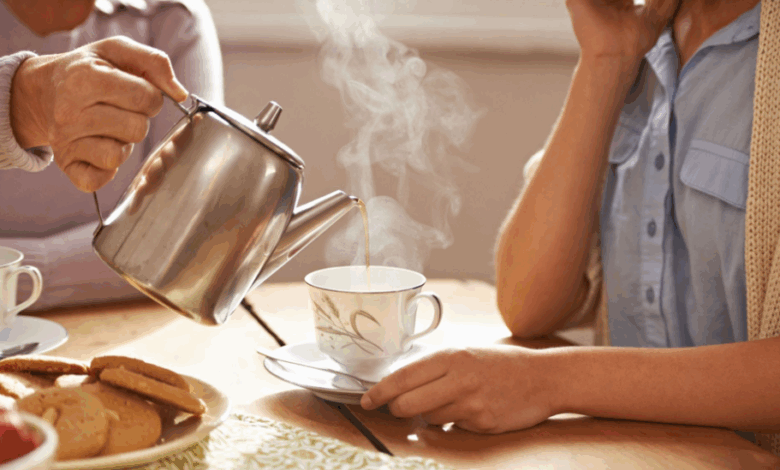
Tea has always been more than just a beverage—it is a tradition, a wellness tool, and a way to connect cultures. Around the world, tea lovers are exploring a new trend: to combine tea or blend different types for customized flavors and enhanced health benefits. This article explores how and why people mix teas, which combinations are most popular, and how this creative habit is transforming daily routines.
Why Do People Combine Tea or Blend Flavors?
There are several reasons tea drinkers may decide to combine tea or mix multiple varieties in a single brew. Some aim to balance flavors, while others are seeking specific health effects. Others simply enjoy experimenting with new taste profiles.
Here are the most common motivations:




1. Enhancing Flavor Profiles
Combining teas can produce a more complex and satisfying taste. For example, green tea has a grassy, slightly bitter note, while chamomile is floral and sweet. Mixing the two results in a calming and smooth blend with less bitterness and more balance.
2. Increasing Health Benefits
Each type of tea carries unique properties. Green tea is rich in antioxidants, black tea supports energy and digestion, while herbal teas like peppermint or ginger offer anti-inflammatory benefits. Many people combine tea or herbal infusions to create a wellness elixir tailored to their needs.
3. Caffeine Control
Some people combine tea or mix high-caffeine teas like matcha with low or no-caffeine blends like rooibos to control energy levels. This helps avoid the jittery effects of pure high-caffeine brews.
4. Cultural Influence
In many countries, blending tea is an old tradition. Moroccan mint tea, a mix of green tea and spearmint, is just one example. In India, masala chai includes black tea mixed with spices like cardamom and cinnamon. These are not just beverages but cultural experiences passed down for generations.
See also: Life in a Sober Living Home: A Day in the Life of a Resident
Popular Tea Combinations and Their Benefits
There are countless ways to combine tea or mix flavors, but some have emerged as global favorites. Below are some of the most common pairings and the reasons they are so widely enjoyed.
Green Tea and Jasmine
Jasmine flowers are often layered with green tea leaves to infuse them with fragrance. This classic blend enhances the antioxidant properties of green tea while providing a sweet, floral aroma that soothes the mind.
Black Tea and Bergamot (Earl Grey)
Earl Grey is a well-known tea made by blending strong black tea with bergamot oil. The citrusy twist brightens the bold flavor and adds a refreshing dimension.
Chamomile and Peppermint
A caffeine-free herbal duo, chamomile and peppermint are commonly used before bedtime. Chamomile promotes relaxation while peppermint aids digestion, making this combination ideal for unwinding after meals.
Oolong and Ginseng
This energizing blend is favored in East Asia. Oolong supports metabolism and weight control, while ginseng boosts stamina and immunity.
Rooibos and Vanilla
Rooibos is naturally sweet and nutty, and when mixed with vanilla, it becomes a comforting and creamy blend. It’s also caffeine-free and suitable for children or evening consumption.
Tips to Combine Tea or Customize Your Own Blends
If you’re new to the concept of mixing teas, here are a few tips to help you get started safely and enjoyably:
1. Understand Your Base
Start with one dominant tea (green, black, oolong, etc.) and then add smaller amounts of other teas or herbs. This allows the base tea to provide structure while the add-ins provide accents.
2. Mind Brewing Times
Different teas require different water temperatures and steeping times. If you’re combining teas with vastly different requirements, brew them separately and then mix the liquids, or find teas with similar needs.
3. Avoid Overpowering Ingredients
Some herbs or spices like clove or cinnamon can dominate a blend. Use strong flavors sparingly unless you’re going for a bold, spiced profile.
4. Try Cold Brews
Cold brewing tea can mellow strong flavors and reduce bitterness. If a hot blend doesn’t work, try mixing the same ingredients in cold water and steeping overnight.
How Businesses Use the Concept to Combine Tea or Blend Signature Brews
The commercial tea market has also embraced this concept. Tea bars, wellness cafés, and even grocery brands now offer pre-blended tea mixes. Many companies promote functional blends targeting specific concerns like “sleep,” “energy,” or “detox.”
Brands may combine tea or infuse blends with botanicals such as lavender, lemongrass, or turmeric. These blends often come with carefully curated names and recommended usage times (e.g., morning wake-up tea or bedtime calm tea).
Some luxury hotels even create their own signature blends. These are often presented to guests as a welcome drink or sold as branded souvenirs.
The Wellness Perspective: Combine Tea or Heal Naturally
From a wellness standpoint, blending teas is a natural way to address multiple needs simultaneously. For example:
- For stress relief: Combine green tea (with L-theanine) and chamomile.
- For immunity: Mix echinacea with ginger and black tea.
- For digestion: Peppermint, fennel, and senna in small amounts.
- For skin: Green tea with rose petals and hibiscus.
It’s important to research interactions before consuming herbal combinations, especially for those on medication or with health conditions.
The Future of Blended Tea Culture
As more people seek personalized wellness routines, the trend to combine tea or experiment with mixes is expected to grow. Technology may even play a role, with apps suggesting pairings based on your mood, weather, or time of day.
Moreover, sustainable sourcing and eco-friendly packaging are becoming more popular in the blended tea market. Many small businesses now offer loose-leaf blends in biodegradable containers, supporting both health and the environment.
Conclusion
The practice to combine tea or explore creative blends has become a defining feature of modern tea culture. Whether you’re doing it for taste, health, or mindfulness, blending teas adds depth and personalization to your daily ritual. With endless options and growing awareness of wellness, this tradition is more alive than ever. So next time you prepare a cup, consider mixing in something new—you might just discover your perfect blend.