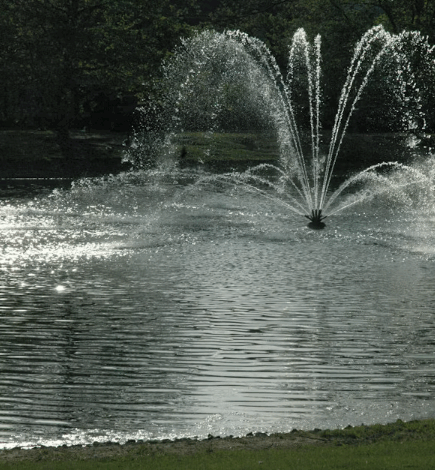
Getting a pond fountain sounds simple enough. Pick one, plug it in, enjoy the water show. Anyone who’s been through the process knows it’s not quite that easy. The truth is, most people rush into buying fountains without thinking through the basics. Then they end up with something that doesn’t fit their pond, costs more than expected, or breaks down after one season.
When you’re ready to order pond fountains, a little planning saves a lot of headaches later. Here’s what actually matters when making this choice.
Your Pond Size Determines Everything
Pond dimensions control which fountains will work and which ones won’t. Get this wrong and nothing else matters much.


Start by measuring the water surface. Not just estimating—actually measuring. For every 100 square feet of surface area, most experts recommend 100-200 gallons per hour of pump capacity. Some prefer gentler flows, others want more dramatic effects.
Depth matters too, though not always in obvious ways. Shallow ponds under 3 feet work better with floating fountains. Deeper water opens up more options but also creates new challenges.
The shape of your pond affects water circulation patterns. Long, narrow ponds need different fountain placement than round or kidney-shaped ones.
See also: Navigating Home Ownership: From First Home Buyer Loans to Property Investment Strategies
Pump Power Gets Complicated Fast
People see a fountain they like online and assume it’ll work in their pond. Then reality hits.
Most residential fountain pumps run on standard 110V household current. Larger units need 220V, which means electrical upgrades. Check what power you have available before falling in love with a particular fountain.
Gallons per hour (GPH) tells you how much water the pump moves. Head height determines how high the water can actually spray. A 1000 GPH pump might create impressive height in perfect conditions. Add some distance between the pump and nozzle, factor in real-world resistance, and that height drops considerably.
Don’t trust the marketing photos. They often show fountains under ideal conditions that don’t match typical installations.

Floating vs Submersible: The Real Story
Marketing makes this sound like a simple preference. It’s more complicated than that.
Floating fountains sit on the surface and move with changing water levels. They’re definitely easier to install—no underwater work required. Maintenance means pulling the unit to shore rather than getting in the pond. You can move them around to find the best position.
But floating fountains can drift in windy conditions. They’re more visible, which some people like and others don’t. Winter storage is usually easier since you just pull them out.
Submersible fountains stay put once installed. They create different visual effects and handle wind better. The pump sits underwater, so you see less equipment. Installation is more involved, and maintenance means getting wet or partially draining the pond.
Neither type is automatically better. Your specific situation should drive this choice.
The Winter Problem Nobody Talks About
Here’s something fountain sellers often skip: seasonal shutdown is usually necessary in freezing climates.
Running fountains through winter can crack pumps, damage plumbing, and create dangerous ice conditions. Most fountain owners need to shut down and winterize their systems annually.
This means either removing the fountain completely or following proper winterization procedures. Floating units make removal easier, while permanent installations require more complex preparation.
Consider your local climate and how much seasonal work you want to take on.
Electrical Safety Can’t Be Optional
When handled incorrectly, water and electricity can create deadly combinations. Every fountain installation needs proper Ground Fault Circuit Interrupter (GFCI) protection.
This isn’t about following rules—it’s about preventing electrocution. GFCI outlets shut off power instantly if they detect electrical leakage, while standard outlets don’t provide this protection.
Professional electrical work costs money upfront but prevents serious accidents. Unless you’re completely confident in electrical work around water, hire someone qualified.

The Hidden Costs Add Up
Fountain prices don’t include everything you’ll actually spend.
Professional installation typically runs 20-40% of the fountain’s purchase price. DIY installation saves money but takes time and skill. Electrical work might require permits and inspections.
Annual maintenance varies widely depending on the system. Basic cleaning and pump servicing might cost $100-200 yearly. Complex systems or professional maintenance contracts cost much more.
Energy costs matter for larger pumps. Continuous operation can add $20-50 monthly to electric bills. Timer controls help reduce operating costs.
Quality Markers That Actually Count
Cheap fountains often use materials that fail quickly outdoors. Stainless steel or marine-grade components last longer, especially in pump housings and electrical connections.
Warranty length usually reflects build quality. One-year warranties suggest basic construction. Three years or longer indicates higher manufacturing standards.
Customer reviews help, but focus on long-term experiences. Fountains that work great initially but fail after the first winter aren’t good investments.
Making Smart Choices
Start with your pond’s requirements: actual measurements, electrical capacity, and maintenance preferences. These factors quickly eliminate many options.
Budget for total costs, not just purchase price. Include installation, electrical work, and first-year maintenance in your planning.
Think about long-term commitment. Fountains need regular attention to function properly. They require seasonal preparation, periodic cleaning, and occasional repairs.
The right fountain enhances outdoor spaces for years. The wrong choice creates ongoing frustration and unexpected expenses.
Considering these factors before ordering prevents most common fountain problems. Your pond and your wallet will appreciate the extra planning effort.