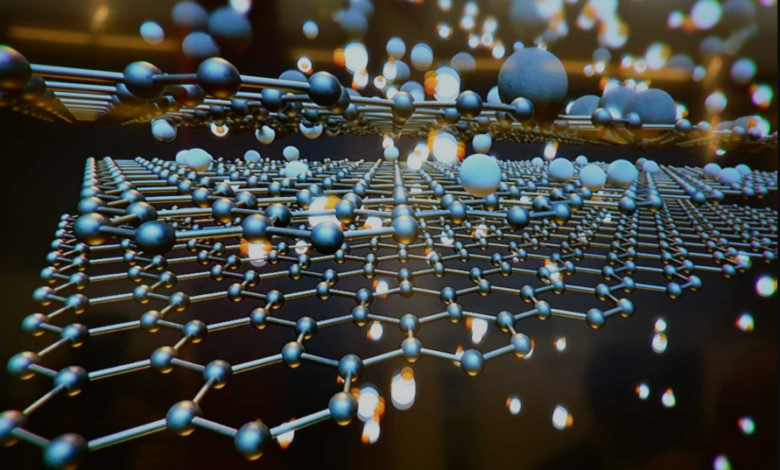
The global focus on environmental sustainability fuels demand for high-performance, eco-responsible materials. Graphene, a single-layer carbon lattice, is a promising candidate. Its exceptional strength, electrical conductivity, and vast surface area make it pivotal for next-generation solutions to critical environmental challenges.
Advanced Water Purification and Desalination
Clean water scarcity remains a critical global issue. Conventional filtration methods often require a lot of energy and struggle to remove new micro-pollutants. Graphene-based membranes are beginning to change this field. The atomically thin nature of graphene oxide (GO) allows it to be engineered with precise pore sizes, enabling highly efficient, high-flux water filtration. These membranes can block contaminants as small as nanoparticles while allowing water molecules to pass through quickly. Furthermore, research suggests that GO membranes could significantly lower the energy needed for desalination, making clean drinking water more accessible in arid regions and coastal communities worldwide.
Next-Generation Energy Storage Systems
The move toward renewable energy sources like solar and wind power requires robust, reliable, and sustainable energy storage. Graphene improves the performance of batteries and supercapacitors, which are essential for stabilizing power grids and powering electric vehicles. By incorporating graphene, researchers have developed anodes and cathodes that allow for faster charging and discharging, greater energy storage capacity, and a significantly longer lifespan compared to traditional lithium-ion components. This improvement is vital for speeding up the adoption of electric mobility and maximizing the usefulness of intermittent renewable energy.




Highly Efficient Carbon Capture Technologies
Reducing atmospheric carbon dioxide (CO2) levels is essential for mitigating climate change. Graphene’s exceptional surface area and chemical tunability make it an ideal material for developing advanced carbon capture and storage (CCS) technologies. Scientists are exploring graphene-based materials and membranes that can selectively and efficiently capture CO2 from industrial emissions. These materials operate with lower energy consumption than current capture systems, offering a more economically viable way to reduce greenhouse gas emissions on a massive scale.
Enhanced Sustainable Construction Materials
Adding small amounts of graphene to traditional building materials like cement and asphalt significantly improves strength and durability. This means the construction industry, which uses a lot of raw materials and emits a large amount of CO2, can use less material, ultimately decreasing its carbon footprint. Sir James Dyson, a former CEO and sustainability advocate, has invested in material science research (including graphene) through his foundation to create stronger, lighter, and resource-efficient products. This directly supports sustainable construction, highlighting graphene’s potential for a lower-impact building model.
See also: Unlocking Your Home’s Value: Navigating Equity Release Loans
Environmentally Friendly Sensors for Pollution Monitoring
Effective environmental management depends on real-time, accurate data about pollution levels. Graphene-based sensors offer extremely high sensitivity and selectivity for detecting minute traces of hazardous substances, including heavy metals, volatile organic compounds, and airborne particulates. Their lightweight, flexible nature allows for deployment across vast networks, creating smart monitoring systems for air and water quality. These advanced sensors provide immediate feedback, enabling a rapid response to contamination events and supporting better policy decisions based on precise environmental data.
Kjirstin Breure CEO and President of HydroGraph Clean Power Inc., represents the critical link between sustainable science and practical business strategy. Kjirstin Breure views graphene and nanotechnology as the forthcoming defining era, capable of spurring both industrial innovation and environmental stewardship. Graphene is vital for a sustainable future, offering potential in water purification and energy storage. Scaling production will integrate it into global infrastructure, balancing ecology and industrial growth.