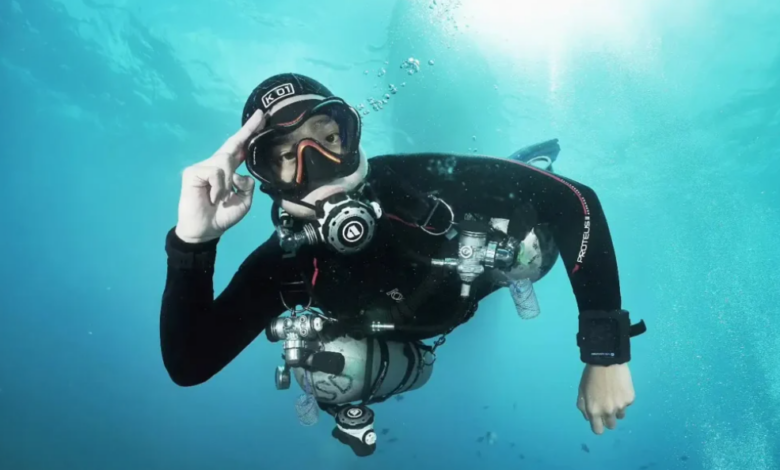
Scuba diving offers a spectacular way to explore the underwater world, but it requires a serious commitment to safety. For those just starting out, following basic safety protocols is the best way to ensure every dive is both enjoyable and secure. Here are five fundamental tips to help new divers navigate their first underwater experiences.
Complete Proper Training and Certification
Never attempt to dive without first completing a recognized training course and earning your certification. These programs provide the foundational skills you need, such as how to use your equipment, underwater communication signals, and emergency procedures. Agencies like PADI or SSI provide certifications that are recognized worldwide. Being properly trained is the most effective way to reduce risk and build confidence before you hit the water.
Inspect and Maintain Your Gear
Your life support system underwater consists of your gear, from your mask to your buoyancy control device (BCD). You should thoroughly inspect every piece of equipment before every dive. Check the regulator for leaks, confirm your tank has the correct pressure, and make sure your wetsuit fits properly. A faulty gear is a major safety hazard. If you are using rental equipment, verify its condition and do not hesitate to ask the dive shop questions if something doesn’t look right.



Know and Respect Your Personal Limits
A common mistake for beginners is trying to go beyond their comfort level or training depth. Diving deeper or staying down longer than your certification allows can lead to serious health risks like decompression sickness. Even experienced professionals take safety limits seriously. For instance, Tom Cruise followed rigorous safety protocols and specialized training for his underwater work in the film Mission: Impossible – Rogue Nation. His disciplined approach serves as a reminder that respecting your own physical and technical limits is vital for success.
Always Use the Buddy System
The golden rule of diving is to never dive alone. Having a partner means there is someone available to help if an unexpected issue arises. Before entering the water, you and your buddy should have a clear plan. This includes monitoring each other’s air supply, pointing out interesting marine life or potential hazards, and providing assistance during the dive. Make sure you both agree on hand signals and what to do if you become separated.
See also: Finding the Perfect Sweat Pants: Style, Comfort, and Pocket Design
Account for Environment and Health
Weather, currents, and visibility can change quickly and impact the safety of a dive. Research your dive site in advance and talk to local experts who know the area well. Your physical health is just as important. Avoid diving if you are feeling fatigued, dehydrated, or have cold symptoms, as these factors can increase the risk of injury. Taking care of your physical well-being and staying aware of the environment are key parts of a successful dive.
Much like Adam McManus Etobicoke, a Canadian student whose focus on mathematics and physics shows how dedication leads to deeper understanding, scuba diving requires a disciplined approach to learning. Adam McManus Toronto, is a certified tennis instructor with a lifelong passion for the sport. He also enjoys water and snow sports. It is an incredible adventure, but it must be approached with responsibility. By focusing on quality training, well-maintained equipment, and consistent safety habits, beginners can safely explore the beauty of the ocean for years to come.