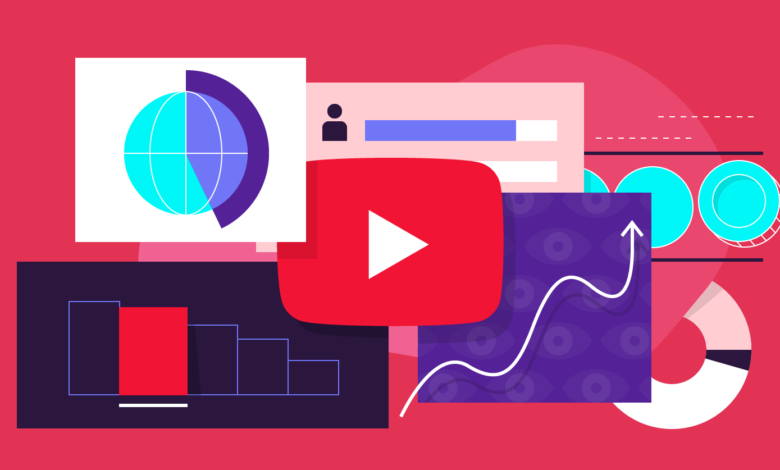
A youtube crawler is a software system that automatically discovers, collects, and organizes public data from YouTube. Businesses, researchers, marketers, and developers use these tools to analyze videos, channels, comments, engagement metrics, and content trends.
As video content continues to dominate online platforms, organizations need efficient ways to gather large volumes of information. A youtube crawler helps automate this process by navigating YouTube pages, extracting relevant data, and storing it for analysis. Unlike manual research, automated crawling can process thousands of videos and channels in a fraction of the time.
What Is a YouTube Crawler?
A youtube crawler is a specialized web crawler designed to access publicly available YouTube content and collect structured information. It systematically visits pages, identifies useful data points, and records them in a database or analytics platform.




Common data collected includes:
- Video titles
- Video descriptions
- Upload dates
- View counts
- Like counts
- Comment data
- Channel information
- Subscriber metrics when available
- Video categories
- Tags and keywords
Many organizations use crawlers to monitor industry trends, track competitors, and measure audience engagement.
How a YouTube Crawler Works
The crawling process follows several technical steps.
First, the crawler identifies target URLs. These may include video pages, channel pages, playlists, or search results.
Next, the system downloads page content and extracts specific elements. Parsing technologies identify structured information such as titles, descriptions, timestamps, and engagement metrics.
After extraction, the data is cleaned and standardized. Duplicate records are removed, and inconsistent formatting is corrected.
Finally, the processed information is stored in databases, dashboards, or reporting systems for further analysis.
Many modern solutions combine crawling with a youtube scraping api to improve efficiency and access structured datasets.
Types of Data a YouTube Crawler Can Collect
Different organizations have different data requirements. A youtube crawler can support several use cases.
Video Metadata Collection
Video metadata provides the foundation for content analysis. This includes titles, descriptions, upload dates, categories, and video duration.
Researchers often use metadata to study content trends across industries and regions.
Channel Analytics
Businesses frequently monitor channel growth and performance.
A crawler can collect information such as:
- Channel names
- Content volume
- Publishing frequency
- Video performance trends
- Audience engagement indicators
These insights help brands evaluate creators and identify partnership opportunities.
Comment Analysis
Comments reveal audience sentiment and reactions.
Organizations use comment datasets to analyze customer opinions, detect emerging topics, and understand viewer behavior.
Trend Monitoring
Trending content often reflects shifts in audience interests.
By continuously collecting video performance data, crawlers help analysts identify fast-growing topics and content formats.
See also: future technology implications explored
Business Applications of YouTube Crawling
YouTube data supports a wide range of professional activities.
Influencer Research
Brands evaluate creators before launching campaigns. A youtube crawler can collect channel statistics, engagement metrics, and historical performance data.
This information helps marketing teams identify suitable influencers for partnerships.
Competitive Intelligence
Companies often track competitors’ content strategies.
By analyzing upload frequency, audience engagement, and video topics, organizations can better understand market activity.
Content Performance Analysis
Media companies use collected video data to evaluate content effectiveness.
Performance indicators such as views, comments, and engagement rates help teams refine future publishing strategies.
Academic Research
Researchers use large-scale datasets to study online communities, information spread, and media consumption patterns.
Automated crawling enables analysis that would be difficult through manual collection.
YouTube Crawler vs YouTube Scraping API
Many people use the terms interchangeably, but they are not identical.
A crawler focuses on discovering and navigating content across YouTube pages. It finds videos, channels, playlists, and related resources.
A youtube scraping api focuses on data extraction and structured delivery. Instead of parsing raw pages, users receive organized data through API responses.
Many advanced data collection systems combine both approaches. Crawlers discover content, while APIs deliver structured information for analytics workflows.
Comparing YouTube, TikTok, and Instagram Data Collection
Organizations rarely analyze a single platform. Most social intelligence projects involve multiple networks.
For example, crawling tiktok content allows analysts to monitor short-form video trends and audience behavior. A dedicated tiktok scraper can collect publicly available information such as video performance, creator statistics, and hashtag activity.
Similarly, tiktok crawling solutions help teams identify viral topics and emerging creators across industries.
Many companies also use an api for tiktok data to streamline access to structured datasets for reporting and analysis.
On Instagram, businesses often focus on engagement tracking and creator performance. Techniques for scraping instagram content help gather public metrics, while a crawler instagram solution can monitor profiles, hashtags, and content trends over time.
Together, these platforms provide a broader view of digital audience behavior.
Data Commonly Used for Marketing and Analytics
Organizations often use social media data to support decision-making.
Common objectives include:
- Extract trending videos, hashtags, and comments from TikTok.
- Track engagement and audience insights on Instagram.
- Fetch YouTube video metadata, influencer profiles, and campaign analytics.
These datasets help analysts understand content performance across multiple platforms.
Many data providers also offer documentation and developer resources. Users can explore API documentation for endpoints covering profile analytics, video data, hashtag discovery, and more.
Challenges of YouTube Crawling
Although crawling offers significant benefits, several challenges exist.
Data Volume
YouTube hosts an enormous amount of content. Efficient crawling requires scalable infrastructure and storage systems.
Content Changes
Video metrics change continuously. View counts, comments, and engagement numbers can increase rapidly.
Regular recrawling helps maintain data accuracy.
Data Quality
Raw data often contains inconsistencies and duplicates. Proper validation and cleaning procedures improve reliability.
Compliance Considerations
Organizations should always review platform policies, applicable laws, and data governance requirements before collecting and using public data.
Best Practices for Using a YouTube Crawler
Successful data collection projects follow clear objectives.
Define the metrics that matter before starting a crawl. Collecting unnecessary data increases costs and complexity.
Use structured storage systems that support filtering and analysis. This makes it easier to generate reports and identify trends.
Monitor data quality continuously. Accurate datasets lead to more reliable insights.
Finally, combine YouTube information with data from other social platforms to gain a more complete understanding of audience behavior and content performance.
Conclusion
A youtube crawler enables automated collection of valuable YouTube data at scale. It helps organizations gather video metadata, channel information, engagement metrics, and audience insights efficiently. Whether used for influencer research, competitive analysis, academic studies, or marketing intelligence, crawling technology plays a central role in modern social media analytics. When paired with structured APIs and strong data management practices, a youtube crawler becomes a powerful tool for understanding video ecosystems and audience trends.